
Buying guide · 2018 onUpdated
Tesla Model 3 buying guide
The Model 3 Performance is a quick used EV, but early cars carry recalls, build-quality quirks and outdated Autopilot hardware that decide which year is worth chasing.
The Model 3 as a used buy
The Tesla Model 3 Performance is a dual-motor four-door with Track Mode, 20-inch wheels and performance brakes, and the year you buy matters more than the badge. The 2018 cars are the hardest to recommend, and the 2024 Highland refresh is a different car from the original design that ran through 2023.
Carwow lists a 0-60mph time of 3.1 seconds, a 162mph top speed and a range of 340 miles, slightly less than the Long Range. Carnex says the Performance suits drivers who put speed ahead of efficiency, which is a fair summary of the trade.
What a buyer most needs to know: early cars had uneven build quality, the front suspension links on 2018-2019 cars have been recalled, and the 12V battery is a known weak point. Check range, Autopilot hardware and recall status before anything else. Our used Model 3 listings show what is on the market now.
Model 3 years and versions
Tesla widened the range in 2018 with the Long Range AWD, the Performance and a short-lived Mid Range RWD, according to Tesla Model Archive. All 2017-2018 cars use Autopilot 2.5 hardware, which cannot run the latest Full Self-Driving software. Hardware 3.0 arrived in mid-2019, and cars built before roughly April 2019 may still have HW2.5. Tesla Model Archive says to avoid 2017-2018 cars if FSD matters to you.
Mid-2019 brought a permanent magnet rear motor in place of the induction design, improving efficiency and range on every variant. The 2020 model year added USB-C ports and a standard power trunk lid, with black trim replacing chrome late in the year. In 2021 came a redesigned center console and a heated steering wheel. The 2022 car got an AMD Ryzen infotainment computer in place of the Intel Atom unit.
Battery chemistry is less of an issue on the Performance. Tesla Model Archive says LFP packs, standard on RWD cars from late 2021, degrade slightly less and suit regular charging to 100%, but the Performance and Long Range AWD kept NCA batteries.
The 2023 model year was the last of the original design. The 2024 Highland refresh has new fascias and lights, a new dashboard, an 8-inch rear touchscreen, ventilated front seats and no turn signal stalk. Tesla Model Archive picks the 2024 Highland Long Range AWD as the best of the range, and calls the 2018 Long Range AWD the best buy of the earliest era. It names 2017-2018 cars the least future-proof. See the best used luxury sedans for alternatives.
Model 3 versions for sale now
Every version in our latest scan, most listed first. Each links to its own page with deal analysis and market history.
| Version | Model years | For sale | Median price |
|---|---|---|---|
| Model 3 Performance | 2018-2026 | 622 | $29,423 |
Common Model 3 problems
Most of the known faults cluster on the early cars, though a few run across the whole first generation.
Front lateral link fasteners
On certain 2018-2019 cars the fasteners on the front suspension lateral link can loosen, letting the link separate from the sub-frame (recall 23V235000). ReRev adds that NHTSA opened a new investigation as of July 2026 covering 2018-2020 cars, beyond the earlier recalls.
Build quality and water ingress
Early cars had panel gaps, paint flaws and interior rattles. ReRev says 2017 to 2020 production had inconsistent panel alignment, causing wind noise and water getting in around the doors, trunk lid and glass roof.
12V battery failure
The 12V auxiliary battery is a known weak point, per ReRev. When it fails you cannot open the door handles or shift out of Park.
Battery build defects
A service bulletin covers high-voltage battery defects, such as missing wire bonds or cell interconnects, that can cut driving range on 2018-2019 cars. It lists Long Range and Dual Motor versions.
Door handle motors
CarLens lists door handle motor failures as an issue across all years.
Charge port door
A 2018 service bulletin says electrostatic discharge can damage the charge port ECU radio transceiver. The charge port door then will not open from the charger handle.
Suspension noise
Suspension noise, struts and alignment is the most reported 2018 problem, with 186 NHTSA complaints. Half of them came by about 33,000 miles.
Heat pump and octovalve
On 2021 and later cars, heat pump or octovalve failures in cold weather cause loss of cabin heat and extra battery drain, and a recall covers them.
What to check on a used Model 3
Work through these on a viewing, and have a specialist repeat the suspension and battery checks.
- Check the Autopilot hardware version under Controls > Software > Additional Vehicle Information.
- Compare estimated range at 100% charge with the EPA figure, since Tesla Model Archive calls 5-10% loss normal on a 3-5 year old car and over 15% worth a closer look.
- Listen for clunks over bumps and inspect the lower control arm bushings and ball joints on higher-mileage cars.
- Inspect the front lower lateral links for looseness on 2017-2021 cars.
- Look along the body panels for uneven gaps and check the front bumper and hood for paint chips.
- Look for damp, stains or wind noise around the doors, trunk lid and glass roof.
- Ask how old the 12V battery is and whether it has been replaced.
- Ask for service records and which service bulletins were done.
- Check the brakes for rust, corrosion, squeaks and grinding, since EVs use them less.
- Run the VIN through NHTSA's recall checker, because each recall covers only named cars.
Model 3 running costs
Kelley Blue Book says Tesla calls for service every 12 months or 12,500 miles, with brake fluid, the A/C desiccant bag and the cabin air filter added at two years.
ReRev puts a lateral link replacement at an independent shop at up to $800-$1,500, and a 12V battery at roughly $100-$300 in parts plus labor. It gives $150-$500 for seal and panel fixes, and up to $2,000+ if water reaches the electronics.
Tesla Model Archive says the battery and drive unit warranty runs 8 years and 100,000 or 120,000 miles depending on version, with the Performance usually at 120,000, and at least 70% capacity retained. Check the remaining cover on any car you view. Our price guide shows the market, and used Teslas for sale lists more.
Model 3 recalls and complaints
NHTSA holds 36 recall campaigns for the 2018 to 2027 Model 3 range we checked. The more serious ones include the front lateral link fasteners on 2018-2019 cars, a rearview camera cable harness that the trunk lid can damage, and seat belt warnings that may not activate. Others cover tire pressure warnings, the pedestrian warning sounds and Autosteer. Recall 22V263000 covers 2018-2022 Performance cars whose speedometer may not show the speed unit in Track Mode. Many of these have over-the-air fixes. A campaign filed for a model year does not mean every car was affected, so run the VIN at NHTSA's recall lookup.
Owners have filed 4,358 complaints with NHTSA, most about forward collision avoidance (1,742), then unknown or other, vehicle speed control, service brakes, electrical system and steering. These are reports, not proven faults. ReRev says phantom braking complaints run across all first-generation years. The 2018 model year has the most complaints and sits among the years to avoid.
NHTSA recalls for the Model 3
Every recall campaign the carmaker filed with NHTSA for the 2018 to 2027 model years, newest first, as of Oct 31, 2026. Not every car of a listed year was affected: check a car's VIN at nhtsa.gov/recalls.
| Campaign | Reported | Model years | Component | What can happen |
|---|---|---|---|---|
| 26V507000 | Aug 5, 2026 | 2018 to 2023 | Exterior lighting | Headlight low beams that are too bright can reduce visibility for oncoming drivers, increasing the risk of a crash. |
| 26V445000 | Jul 7, 2026 | 2024 | Structure | A noncompliant vehicle may have reduced occupant protections, increasing the risk of injury during a crash. |
| 26V283000 | May 5, 2026 | 2021 to 2023 | Back over prevention | A delayed rearview image reduces the driver's view behind the vehicle, increasing the risk of a crash. |
| 25V690000 | Oct 10, 2025 | 2025 | Electrical system | A loss of drive power can increase the risk of a crash. |
| 25V410000 | Jun 18, 2025 | 2026 | Seats | The seat may not properly restrain the occupant, increasing the risk of injury during a crash. |
| 25V092000 | Feb 15, 2025 | 2023 | Steering | A loss of power steering assist can require greater steering effort, especially at low speeds, increasing the risk of a crash. |
| 25V002000 | Jan 7, 2025 | 2024 to 2025 | Back over prevention | A rearview camera that does not display an image reduces the driver's rear view, increasing the risk of a crash. |
| 24V935000 | Dec 17, 2024 | 2018 to 2025 | Tires | Driving with improperly inflated tires increases the risk of a crash. |
| 24V554000 | Jul 24, 2024 | 2021 to 2024 | Latches/locks/linkages | An unlatched hood can fully open, obstructing the driver's view and increasing the risk of a crash. |
| 24V376000 | May 28, 2024 | 2018 to 2023 | Seat belts | A seat belt warning system that fails to alert occupants of an unbelted seat belt can increase the risk of injury during a crash. |
| 24V284000 | Apr 19, 2024 | 2024 | Air bags | Without a deflector, the air bag may deploy improperly, increasing the risk of injury during a crash. |
| 24V153000 | Feb 27, 2024 | 2018 to 2022 | Forward collision avoidance | Pedestrians may be unaware of an approaching vehicle if the PWS sounds are muted, increasing the risk of a crash. |
| 24V051000 | Jan 30, 2024 | 2018 to 2023 | Electrical system | Warning lights with a smaller font size can make critical safety information on the instrument panel difficult to read, increasing the risk of a crash. |
| 23V838000 | Dec 12, 2023 | 2018 to 2023 | Electrical system | In certain circumstances when Autosteer is engaged, and the driver does not maintain responsibility for vehicle operation and is unprepared to intervene as necessary or fails to recognize when Autosteer is canceled or not engaged, there may be an increased risk of a crash. |
| 23V434000 | Jun 19, 2023 | 2023 | Electrical system | A defective battery disconnect may not isolate the vehicle's high voltage battery after a crash or fault detection, increasing the risk of electrical shock and injury. |
Owner complaints to NHTSA about the Model 3
Owners filed 4,358 complaints with NHTSA for the 2018 to 2027 model years (458 crashes and 22 fires reported). A complaint is an owner's report, not a confirmed defect. A complaint can name more than one component.
| Component | Complaints |
|---|---|
| Forward collision avoidance | 1,742 |
| Unknown or other | 702 |
| Vehicle speed control | 631 |
| Service brakes | 568 |
| Electrical system | 564 |
| Steering | 413 |
| Suspension | 379 |
| Air bags | 311 |
Best Model 3 deals right now
139 deals priced below market right now, the best by about $5,579. Members get the VIN, dealer, listing link and a ready-to-send negotiation email for each one.
-
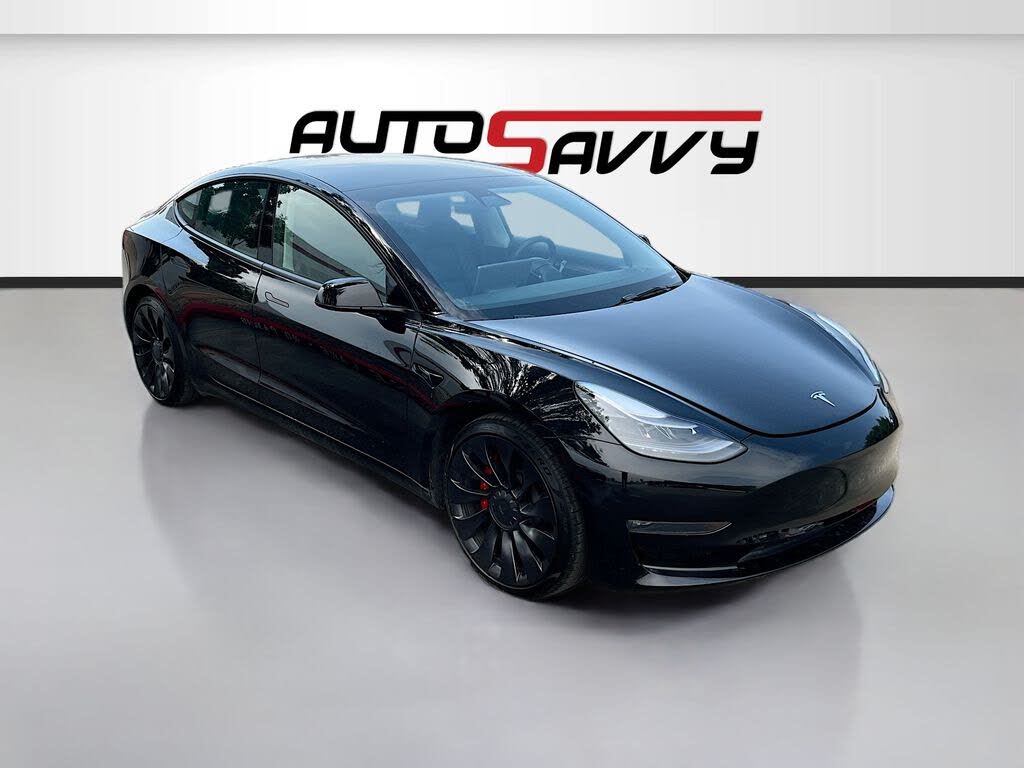 $5k below market Locked
2023 Tesla Model 3
Performance
Great deal: about $5k under fair value for its year, trim and miles.
Asking price $28,100Deal score 100 -
 $5k below market Locked
2023 Tesla Model 3
Performance
Great deal: about $5k under fair value for its year, trim and miles.
Asking price $29,087Deal score 100 -
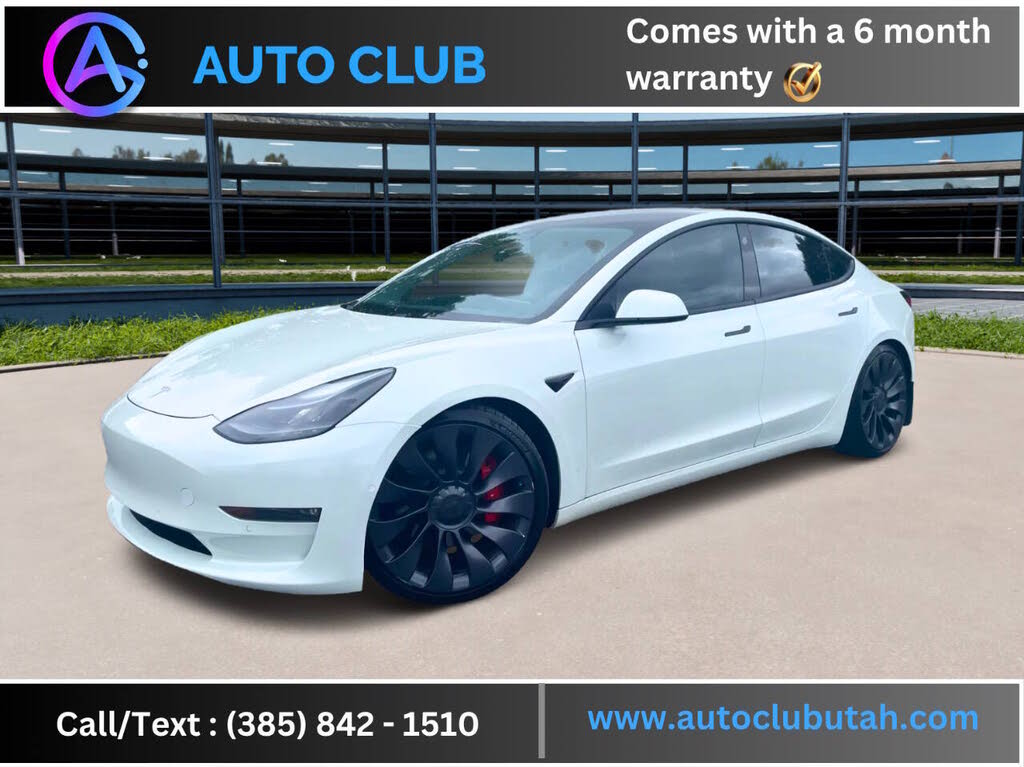 $5k below market Locked
2021 Tesla Model 3
Performance
Great deal: about $5k under fair value for its year, trim and miles.
Asking price $25,744Deal score 100 -
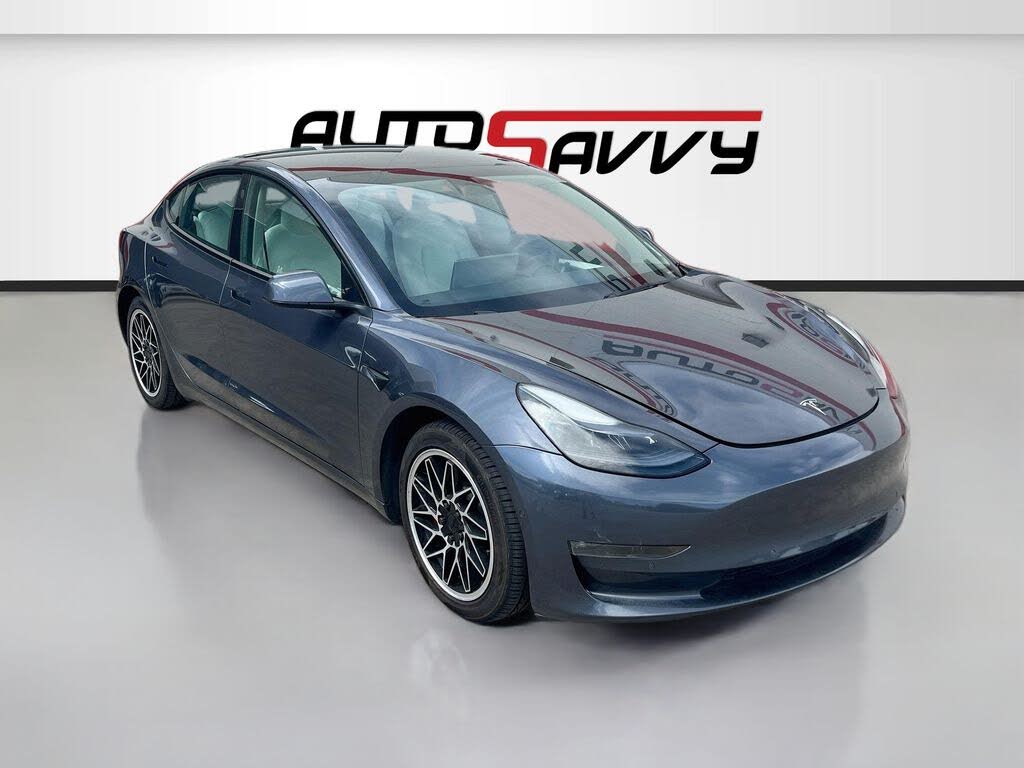 $4k below market Locked
2022 Tesla Model 3
Performance
Great deal: about $4k under fair value for its year, trim and miles.
Asking price $24,400Deal score 100 -
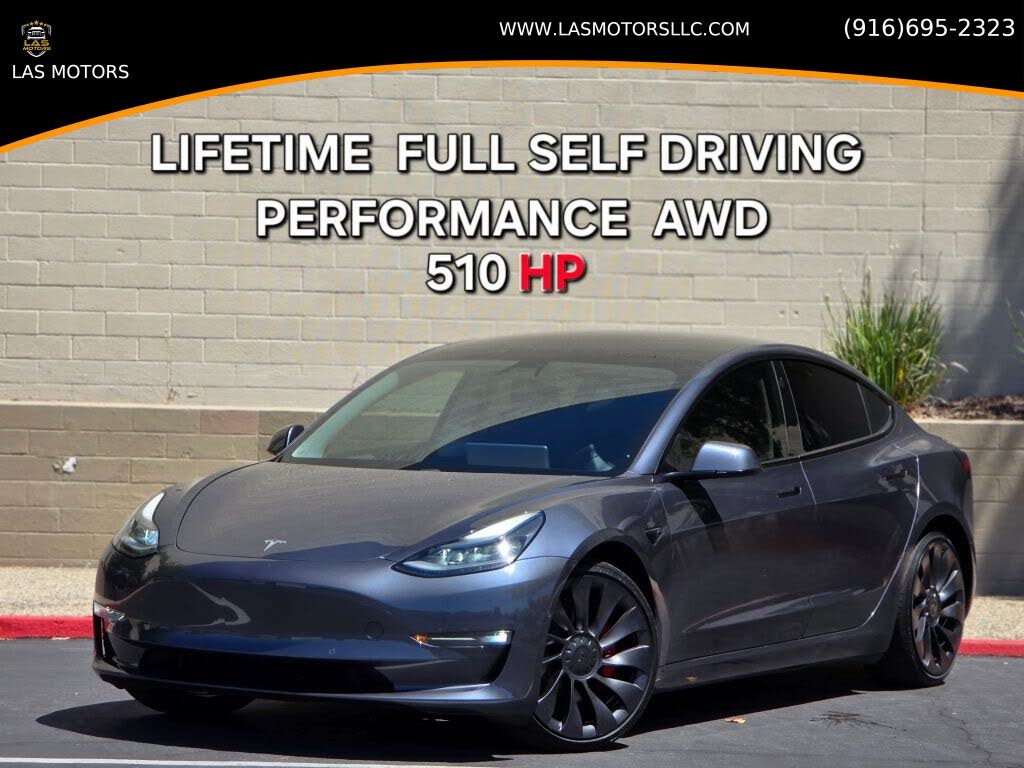 $4k below market Locked
2021 Tesla Model 3
Performance
Great deal: about $4k under fair value for its year, trim and miles.
Asking price $22,990Deal score 100 -
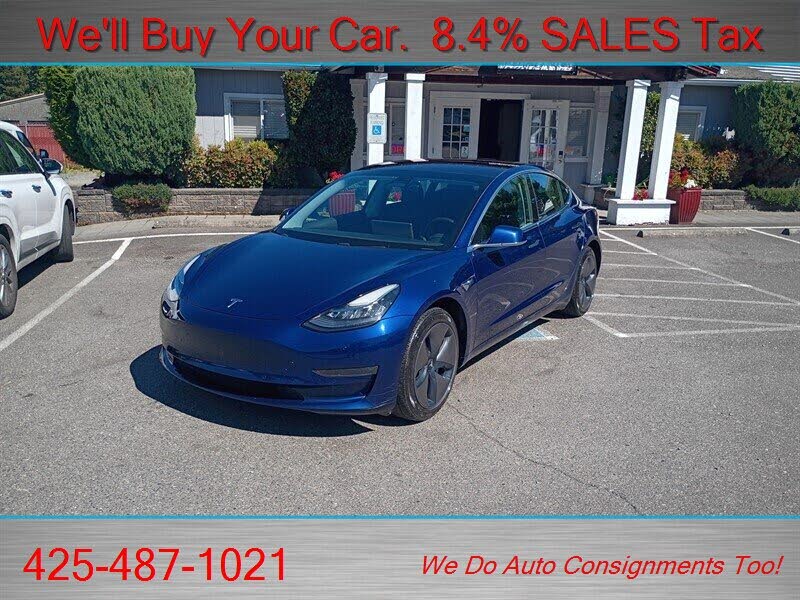 $3k below market Locked
2018 Tesla Model 3
Performance
Great deal: about $3k under fair value for its year, trim and miles.
Asking price $18,498Deal score 100
Members see every deal's VIN, dealer and listing link, plus a negotiation email.
Model 3 prices by model year
Median asking price for each model year in our latest scan, with the number of cars listed and their price range.
- 2026 Tesla Model 3 for sale $52,071
- 2025 Tesla Model 3 for sale $47,014
- 2024 Tesla Model 3 for sale $42,812
- 2023 Tesla Model 3 for sale $32,370
- 2022 Tesla Model 3 for sale $29,661
- 2021 Tesla Model 3 for sale $26,930
- 2020 Tesla Model 3 for sale $24,989
- 2019 Tesla Model 3 for sale $22,565
- 2018 Tesla Model 3 for sale $21,559
Model 3 fair values by trim and year
Our fair value is what comparable cars, same trim and model year with typical miles, are listed at in our latest market data. A car well under it is worth a close look; a car well over it needs a reason.
| Trim | Model year | Fair value | Typical miles |
|---|---|---|---|
| Performance | 2023 | $33,514 | 33,900 |
| Performance | 2022 | $30,071 | 49,900 |
| Performance | 2021 | $27,889 | 57,300 |
| Performance | 2020 | $25,567 | 68,100 |
Model 3 for sale now
-
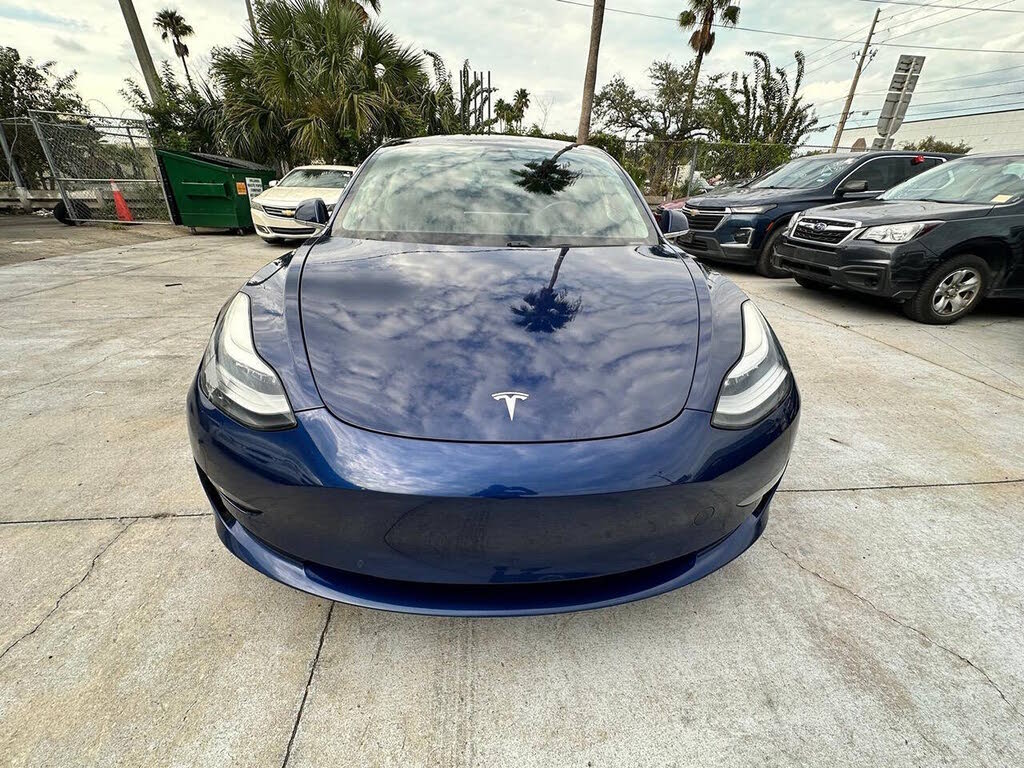
2018 Tesla Model 3
Performance
Asking price $22,389 -
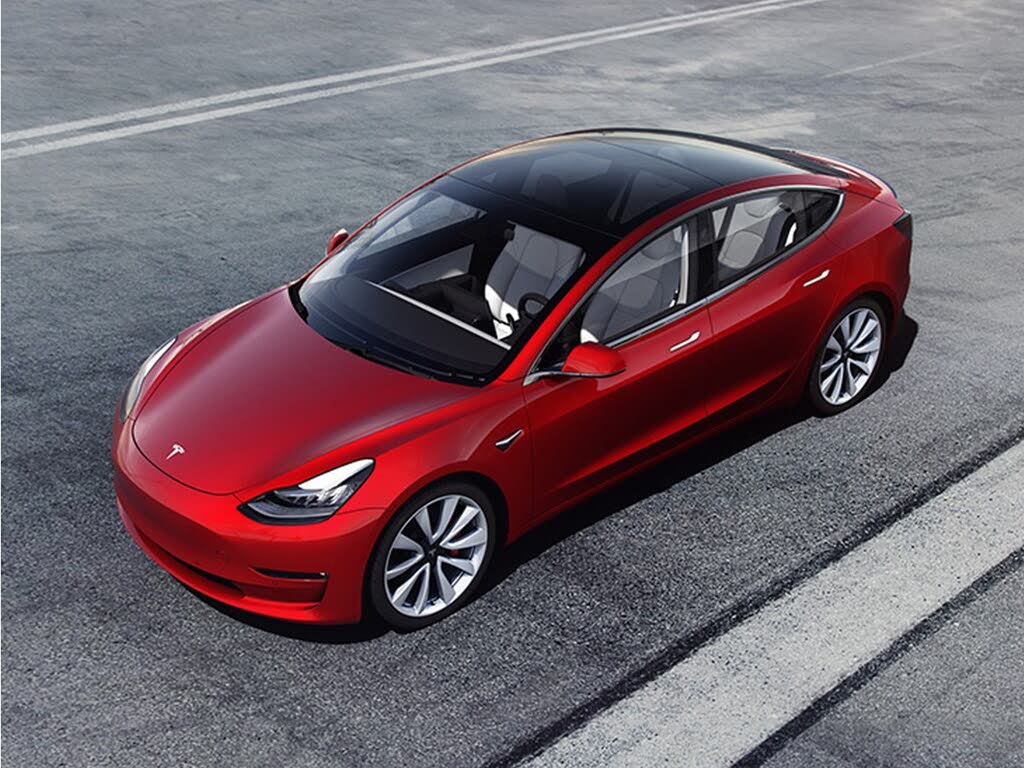
2021 Tesla Model 3
Performance
Asking price $25,144 -
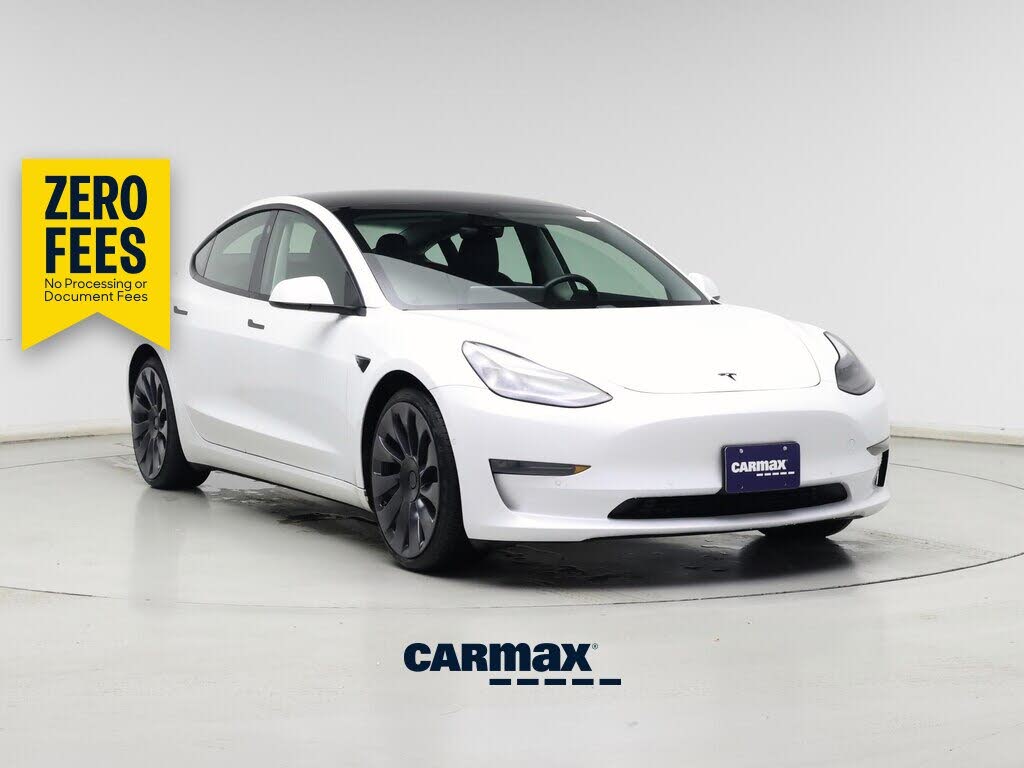
2021 Tesla Model 3
Performance
Asking price $27,998 -
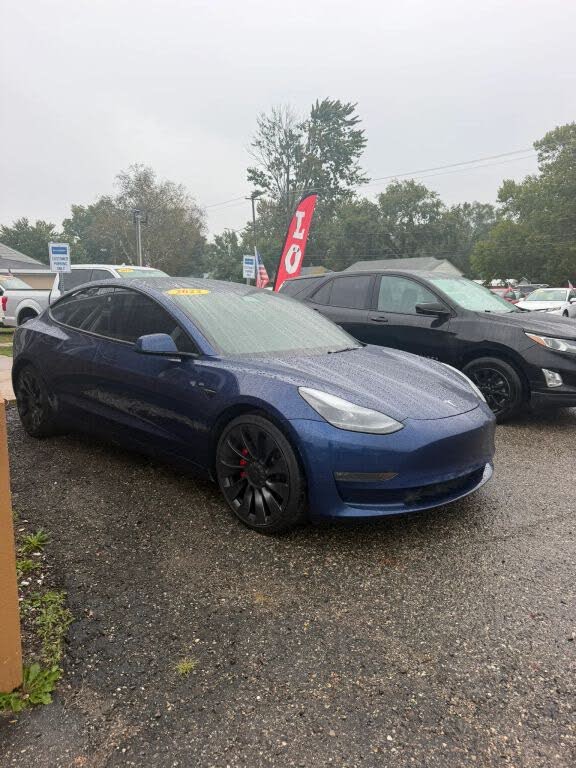
2022 Tesla Model 3
Performance
Asking price $28,279 -

2022 Tesla Model 3
Performance
Asking price $28,484 -
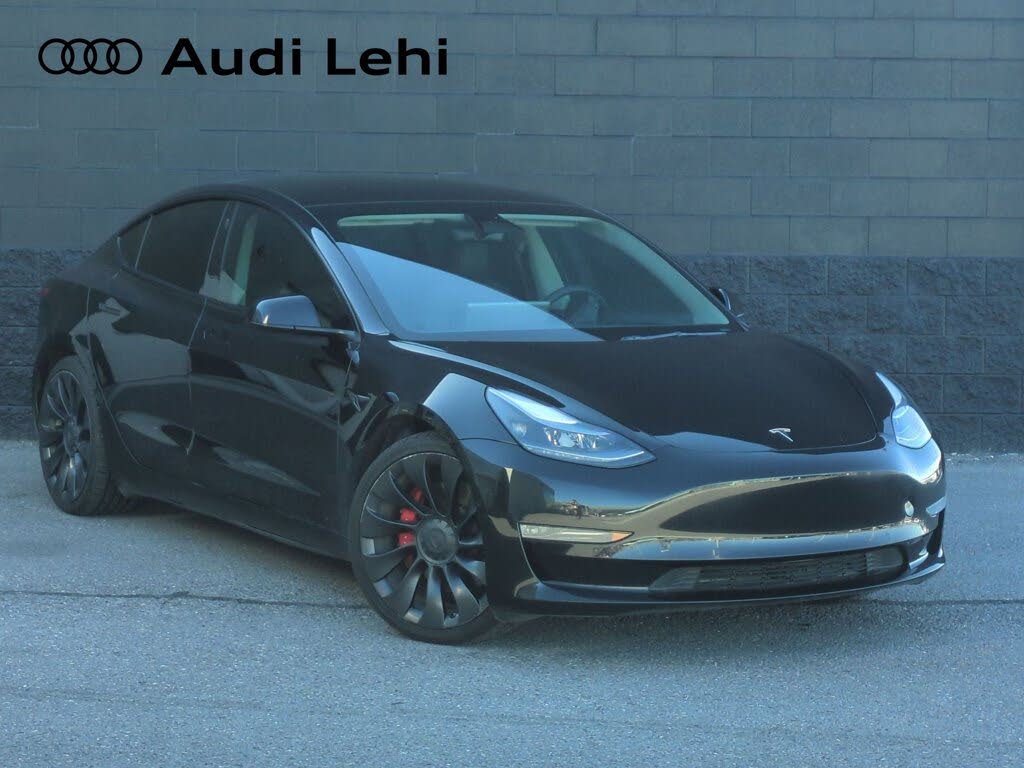
2022 Tesla Model 3
Performance
Asking price $29,447 -

2022 Tesla Model 3
Performance
Asking price $29,635 -
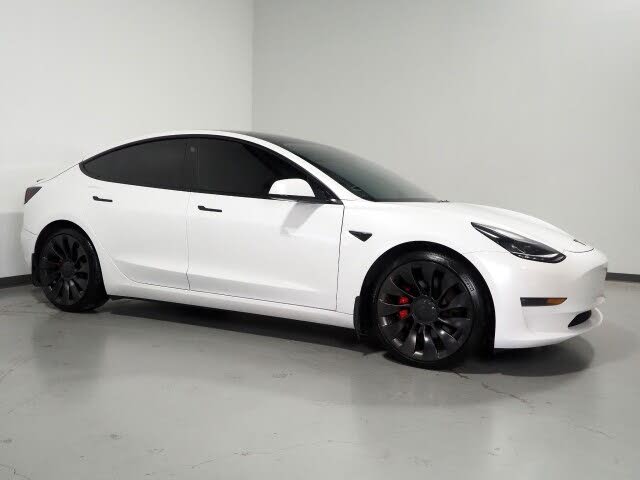
2022 Tesla Model 3
Performance
Asking price $29,725 -
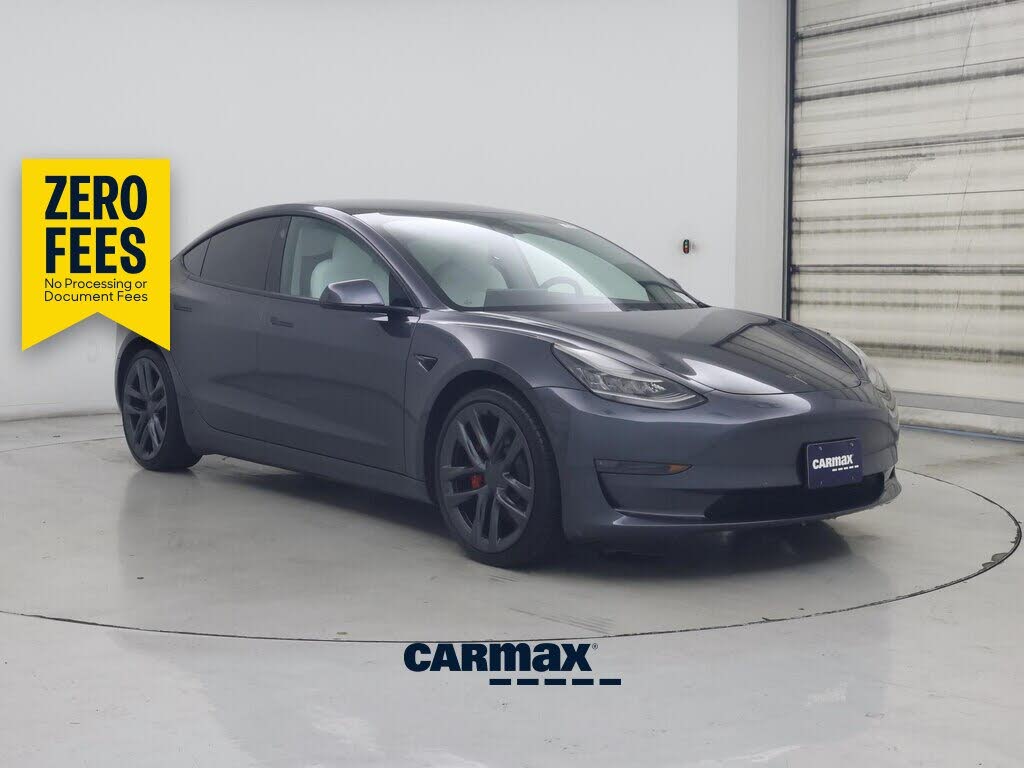
2020 Tesla Model 3
Performance
Asking price $30,998 -
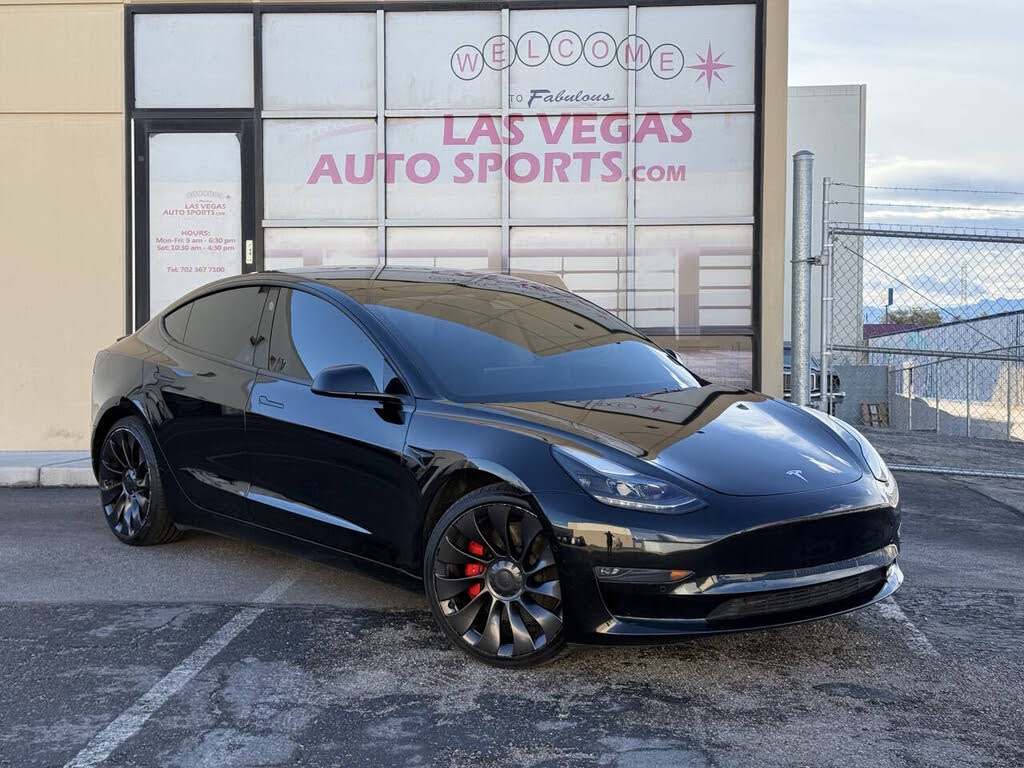
2022 Tesla Model 3
Performance
Asking price $31,598 -
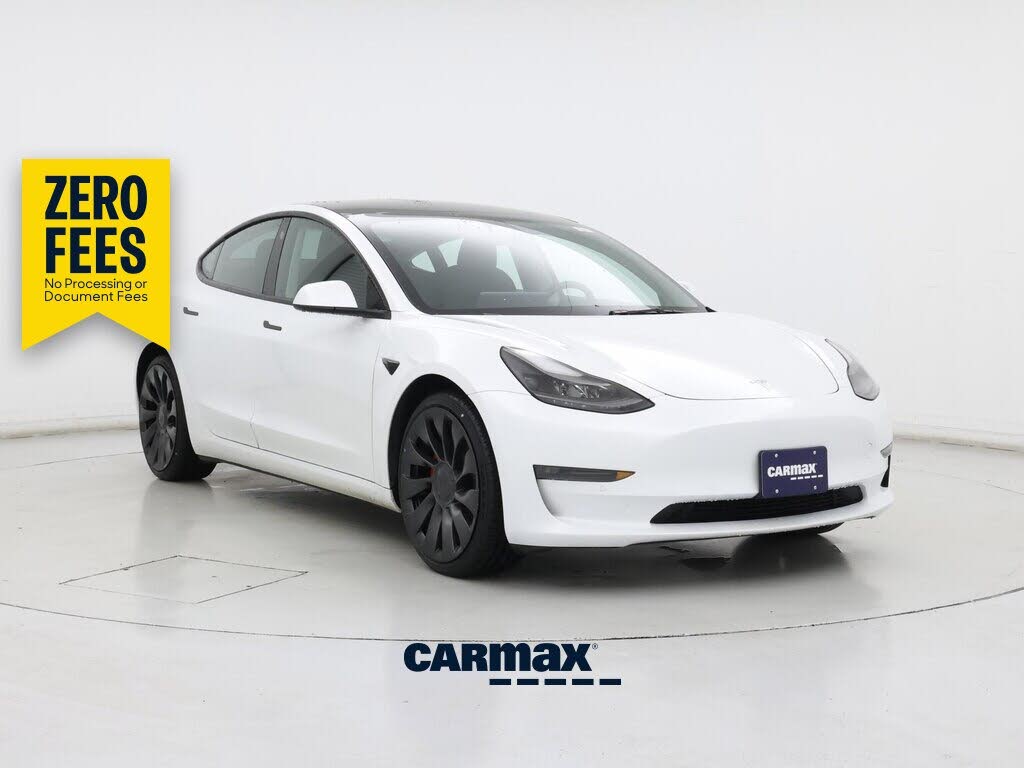
2022 Tesla Model 3
Performance
Asking price $33,998 -

2023 Tesla Model 3
Performance
Asking price $35,493 -

2025 Tesla Model 3
Performance
Asking price $49,696 -
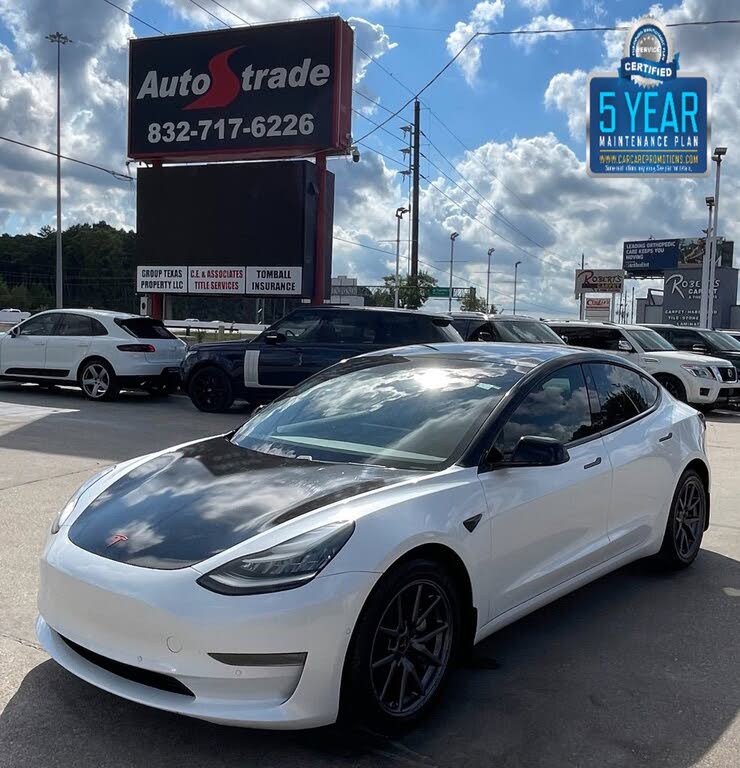
2020 Tesla Model 3
Performance
Asking price $20,215 -

2021 Tesla Model 3
Performance
Asking price $24,498 -
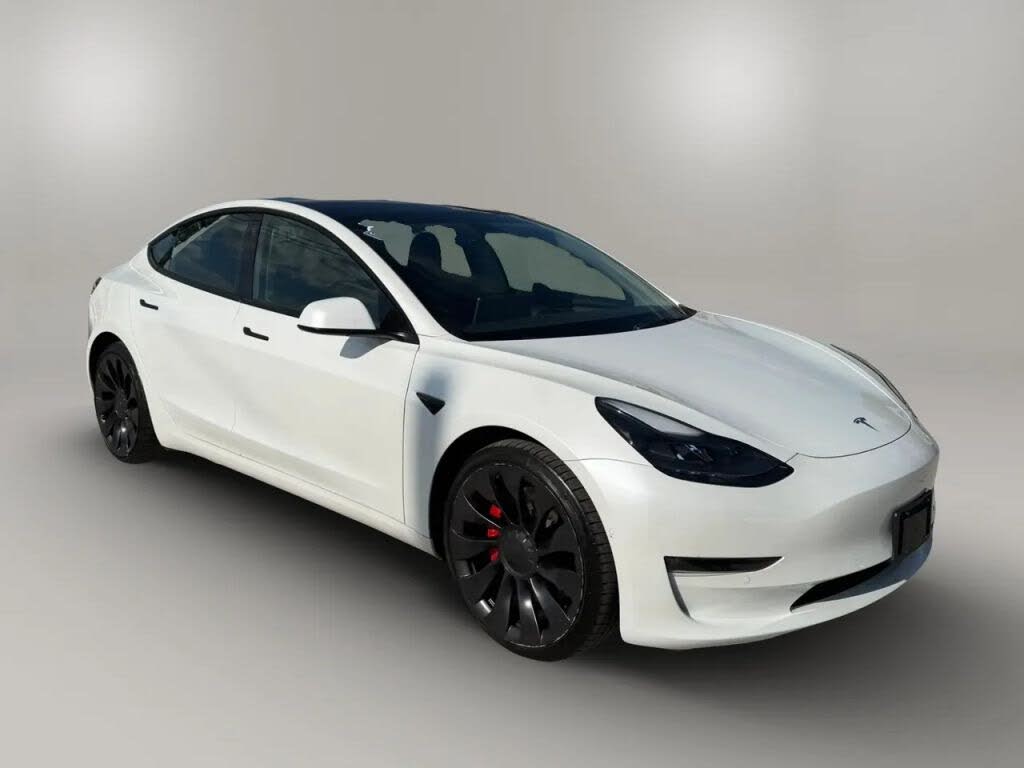
2022 Tesla Model 3
Performance
Asking price $28,205 -
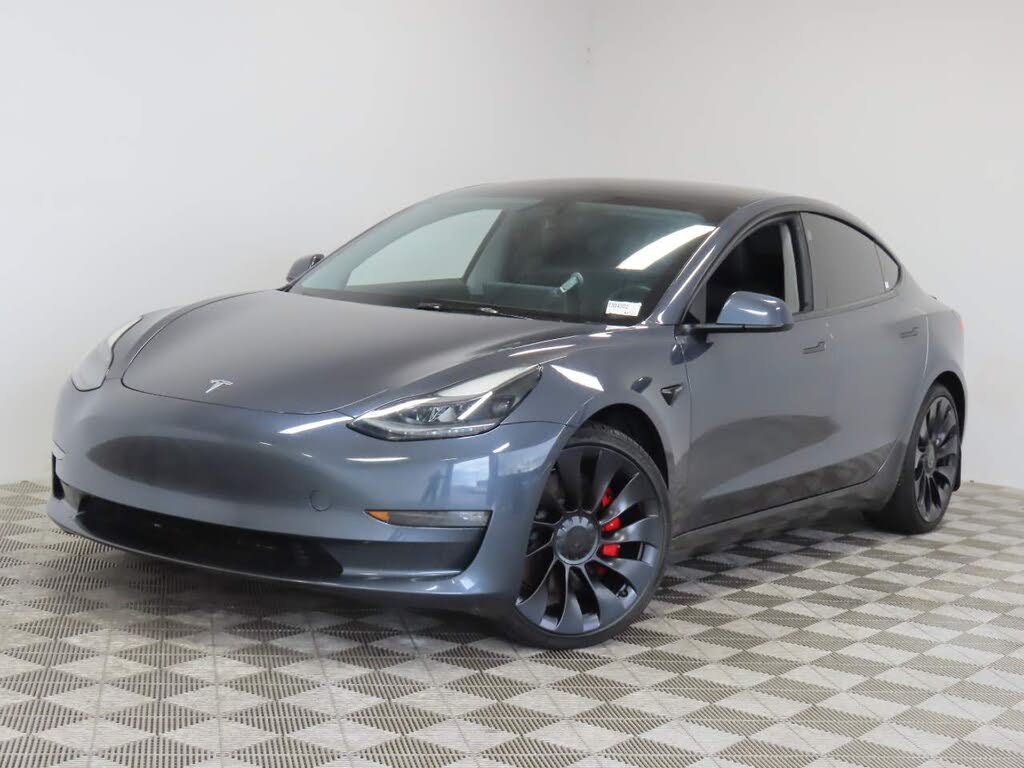
2023 Tesla Model 3
Performance
Asking price $31,807 -
2023 Tesla Model 3
Performance
Asking price $31,983 -
2023 Tesla Model 3
Performance
Asking price $32,683 -

2023 Tesla Model 3
Performance
Asking price $32,695 -
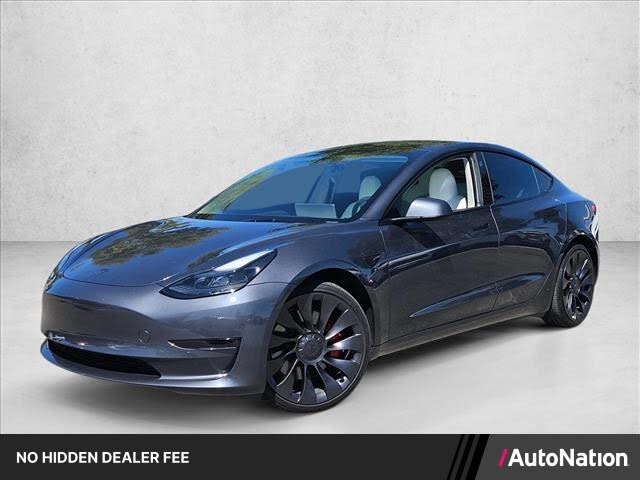
2023 Tesla Model 3
Performance
Asking price $32,991 -
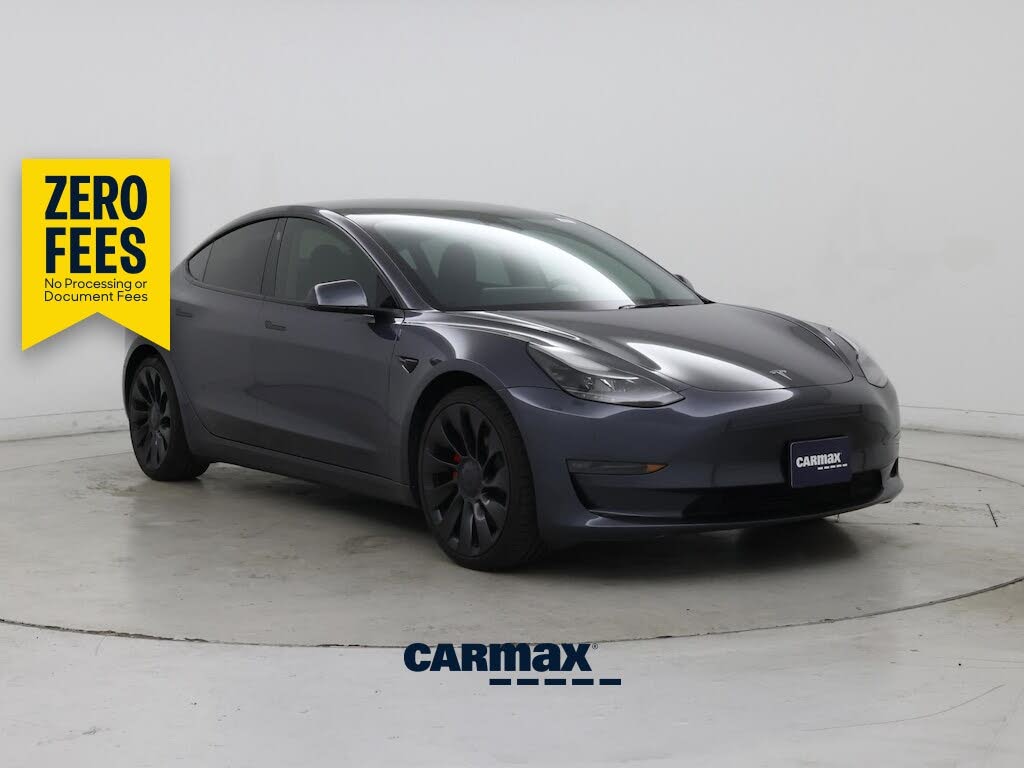
2023 Tesla Model 3
Performance
Asking price $33,998 -
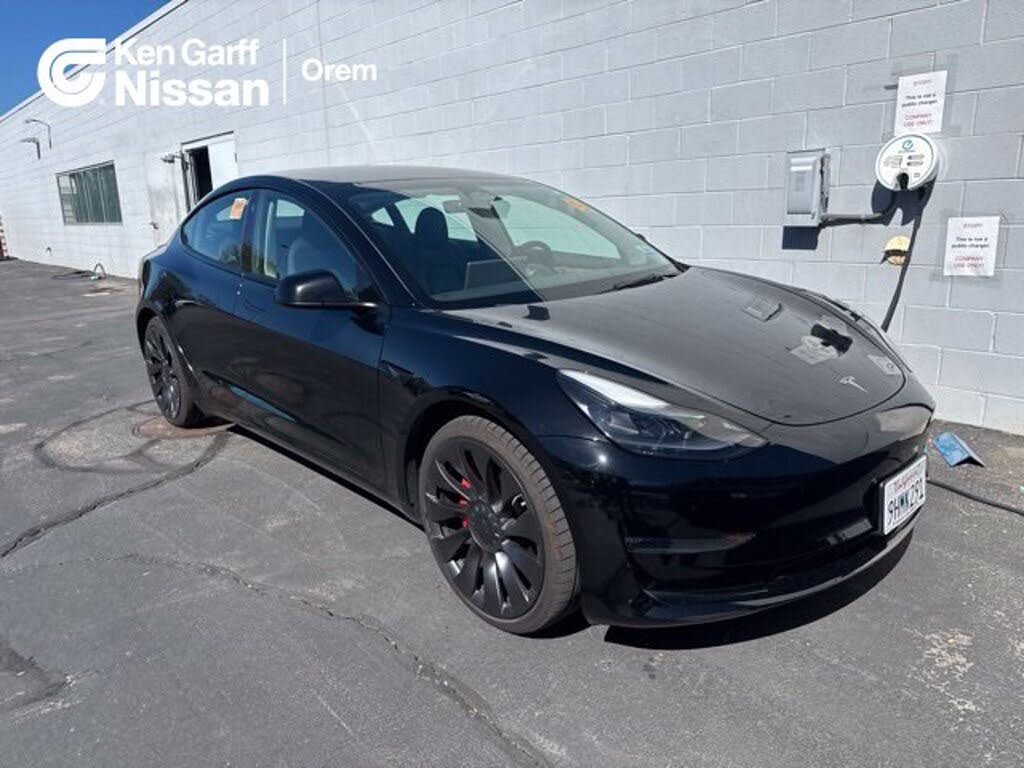
2023 Tesla Model 3
Performance
Asking price $35,113 -

2024 Tesla Model 3
Performance
Asking price $47,083
Our verdict
Buy a 2020 or later Performance with Hardware 3.0 and the permanent magnet motor. Tesla Model Archive picks the 2024 Highland Long Range AWD as the best of the range, and the 2018 Long Range AWD as the pick of the earliest era. Skip 2017-2018 unless FSD is irrelevant to you, and note Consumer Reports rates the 2018 as about average for reliability. Compare the Model 3 with its sibling in our Model 3 vs Model Y page, and see the Model 3 Performance market.
Insist on proof that the lateral link recalls were done on a 2018-2020 car, a range check against the EPA figure, and a documented 12V battery age. Then look for the dry door seals and even panel gaps that early production struggled with.
Sources
We read these pages and checked every fact in this guide against them. The words are ours. Researched Oct 31, 2026.
- Used Tesla Model 3 Buying Guide: Every Model Year from 2017 to 2025 Tesla Model Archive
- Tesla Model 3 years to avoid ReRev
- Buying a used 2018 Tesla Model 3: what to check TBX Report
- Used Tesla Model 3 buying guide Carwow
- 2018 Model 3 Long Range: Range, Battery & Buying Guide Recharged
- 2018 Tesla Model-3 Problems and Reliability: 1,026 Complaints, 19 Recalls diagsheet.com
- 2018 Tesla Model-3 — Used Buying Guide, Common Problems & What to Check CarLens
- 2018 Tesla Model 3 Reliability Consumer Reports
- 2018 Tesla Model 3 Service Schedules & Maintenance Pricing Kelley Blue Book
- Used Tesla Model 3 Buying Guide (2018–2024) Carnex
- Recalls and owner complaints for the Model 3 NHTSA
Model 3: common questions
What is the best Model 3 to buy?
Find a 2020 or later Performance, which has Hardware 3.0 and the permanent magnet motor. Tesla Model Archive picks the 2024 Highland Long Range AWD as the best of the range. Avoid 2017-2018 cars if FSD matters, since they use HW2.5.
What goes wrong with the Model 3?
Early cars have uneven panel alignment, water ingress, front lateral link fastener recalls and 12V battery failures. Door handle motor failures are listed across all years. On 2018-2019 cars, a service bulletin covers high-voltage battery build defects.
Is the Model 3 reliable?
Mostly average. Consumer Reports rates a 2018 Model 3 about average for reliability against cars of the same year. NHTSA lists 36 recall campaigns and 4,358 owner complaints, though complaints are reports, not proven faults.
How much does it cost to run a Model 3?
Tesla calls for service every 12 months or 12,500 miles, per Kelley Blue Book. ReRev puts a lateral link replacement at up to $800-$1,500 and a 12V battery at roughly $100-$300 in parts plus labor. Seal and panel fixes run $150-$500.
How much is a used Model 3?
Asking prices for the 622 cars we track for sale right now run from $12,949 to $54,362, with a median of $29,423. Model year, version, mileage and history move the price most; the prices by model year and fair values on this page show where a car should sit.
Has the Model 3 been recalled?
NHTSA lists 36 recall campaigns filed for the 2018 to 2027 model years as of Oct 31, 2026, the latest for exterior lighting. Not every car was affected, so check the VIN of any car you're considering at nhtsa.gov/recalls.