
Buying guide · 1992 to 1995Updated
Dodge Viper (first generation, SR I) buying guide
The first-generation Viper is a raw V10 roadster whose value depends on originality, so a documented unmodified car matters more than the year, and head gaskets and sill heat damage need checking.
The first-generation Viper as a used buy
The first-generation Viper was built from 1992 to 1995 as a roadster only, and the car to look for is a documented, unmodified one. Modified examples have likely spent time on track, according to the specialists we read, and tired cars are expensive to put right.
Under the long hood sits an 8.0-liter aluminum V10 developed with Lamborghini, which Chrysler owned at the time. ReDriven says it was no repurposed truck motor and predates the Dodge RAM V10 by two years. Car Collector International quotes 400 bhp and 465 lb-ft through a 6-speed Tremec manual, while Motor Sport Magazine quotes 395 bhp and a 0-60 mph time of 4.6 seconds.
It suits someone who wants a raw car and accepts what that means. There is no ABS, stability control or traction control, no airbags, and early cars have no side windows. Motor Sport Magazine says to expect a car with a dangerous reputation that was tricky for inexperienced drivers.
first-generation Viper years and versions
Production ran to approximately 6,709 cars, per Car Collector International. Octane Files and Motor1 give the yearly split: 285 in 1992, 1,043 in 1993, 3,083 in 1994 and 1,577 in 1995. All were RT/10 roadsters. The 1996 RT/10 rides on the next generation's chassis, so it is covered in our second-generation guide.
The 1992 car is the collector year, according to Octane Files: all 285 were red over gray, and none had air conditioning. Its top pick is a 1992 with few miles, no modifications and the original top and side curtains. Any other color combination on a 1992 car is a question to answer. Road & Track notes that the first few years were the only ones with side-exit exhausts and the three-spoke wheels.
Later years brought usability. 1993 added black paint. 1994 brought factory air conditioning as a $1,200 option, a gearbox reverse lockout, and emerald green and dandelion yellow paint. For 1995 came a grab handle for the passenger, storage under the seat cushion and a factory removable hardtop in one piece. Early cars used side curtains instead of windows, and ReDriven says improved side windows and removable hardtops came later.
The engine is the reason to be choosy about the early years. Road & Track and PistonHeads both say 1992-1993 cars suffered piston ring problems with high oil consumption, and several engines were replaced under warranty. Car Collector International advises buying the best-documented example in the most desirable specification rather than a tired example of something rarer. You can browse used Viper RT/10s for sale to compare years and condition, or see every Viper listed and its market.
first-generation Viper versions for sale now
Every version in our latest scan, most listed first. Each links to its own page with deal analysis and market history.
| Version | Model years | For sale | Median price |
|---|---|---|---|
| Dodge Viper | 1992-1995 | 32 | $55,103 |
Common first-generation Viper problems
The V10 is rated tough, but a few areas recur in the specialist write-ups.
Piston ring wear
Early cars (1992-1993) suffered ring problems that caused high oil consumption, and several engines were replaced under warranty. Road & Track and PistonHeads both report it, so ask whether an early car has a replacement engine and what paperwork covers it.
Head gasket failure
On hard-run engines the original paper or composite head gaskets degrade, causing leaks, overheating and oil and coolant mixing. The revised gaskets are black multi-layer steel. Octane Files and PistonHeads say the fix runs to four figures once labor is counted.
Gasket and seal leaks
Thermostat gasket leaks affect earlier cars, while rear main seal and timing cover gasket leaks affect later ones, according to Road & Track. Look for oil or coolant weeping before you commit.
Sill heat damage
The exhaust runs through the side sills, which cook. The signs are bubbled paint, discolored sill covers and scorched insulation.
Perished rubber and pump pulley
Coolant hoses, bushings and belts crack with age. The power steering pump pulley is a known failure item, per Road & Track.
Cracked armrest support
A creased center armrest points to a cracked support structure underneath. The fix is pulling the console and reinforcing it with fiberglass, per PistonHeads and ReDriven.
Early fuel and idle faults
Early models had fuel pressure regulator and filter leaks from plastic fittings, and an erratic idle from a partially blocked idle control valve. The T56 gearbox and limited-slip differential rarely give major trouble, say PistonHeads and ReDriven.
What to check on a used first-generation Viper
Spend the viewing on originality, heat damage and signs of hard use.
- Listen at cold start for a tick or puff of exhaust, usually a sign of a cracked manifold or a failed flange gasket.
- Check the coolant for contamination and look for oil at the rear main seal.
- Feel the clutch and the Tremec gearbox through every gear for wear.
- Inspect the sills and their covers for bubbled paint, discoloration and scorched insulation.
- Check the front valance and sill undersides for curb damage and signs of track days.
- Confirm the car has its original top and side curtains, and on a 1995 that the factory hardtop is present.
- Press the center armrest and look for a crease that suggests a cracked support.
- Look for accident repair by checking panel gaps, since the hood can shift and cause uneven gaps and bodywork repair needs skill.
- Compare the engine block number to the VIN if you want a numbers-matching car.
- Get both a UK and US history check on an imported car, since US damage may not show on a UK report.
- Ask for service history covering the head gaskets and, on 1992-1993 cars, any engine replacement.
first-generation Viper running costs
PistonHeads and Octane Files put a head gasket job at four figures once labor is counted. Road & Track says a clamshell hood replacement can bring a five-figure bill, and ReDriven puts a plastic windscreen cowl at around $3,000. PistonHeads quotes around £400 for a new clip-in window panel, a UK figure.
The original tires are 275/40-17 front and 335/35-17 rear, which Road & Track and Motor1 describe as scarce, with clubs running group buys. On the plus side, Road & Track and ReDriven say many mechanical parts are shared with other Chrysler products, so routine repairs are easier. Before you buy, check the Viper price guide for the market and then budget separately for tires and gaskets.
first-generation Viper recalls and complaints
NHTSA holds no recall campaigns for 1992 to 1995 Vipers. Still, check any car's VIN at NHTSA's recall lookup before you buy.
Owners have filed 10 complaints with NHTSA: six about structure, three about the engine and engine cooling, and one about visibility. One involved an injury, and none involved crashes, fires or deaths. These are reports, not proven faults.
Owner complaints to NHTSA about the first-generation Viper
Owners filed 10 complaints with NHTSA for the 1992 to 1995 model years. A complaint is an owner's report, not a confirmed defect. A complaint can name more than one component.
| Component | Complaints |
|---|---|
| Structure | 6 |
| Engine and engine cooling | 3 |
| Visibility | 1 |
Best first-generation Viper deals right now
12 deals priced below market right now, the best by about $10,999. Members get the VIN, dealer, listing link and a ready-to-send negotiation email for each one.
-
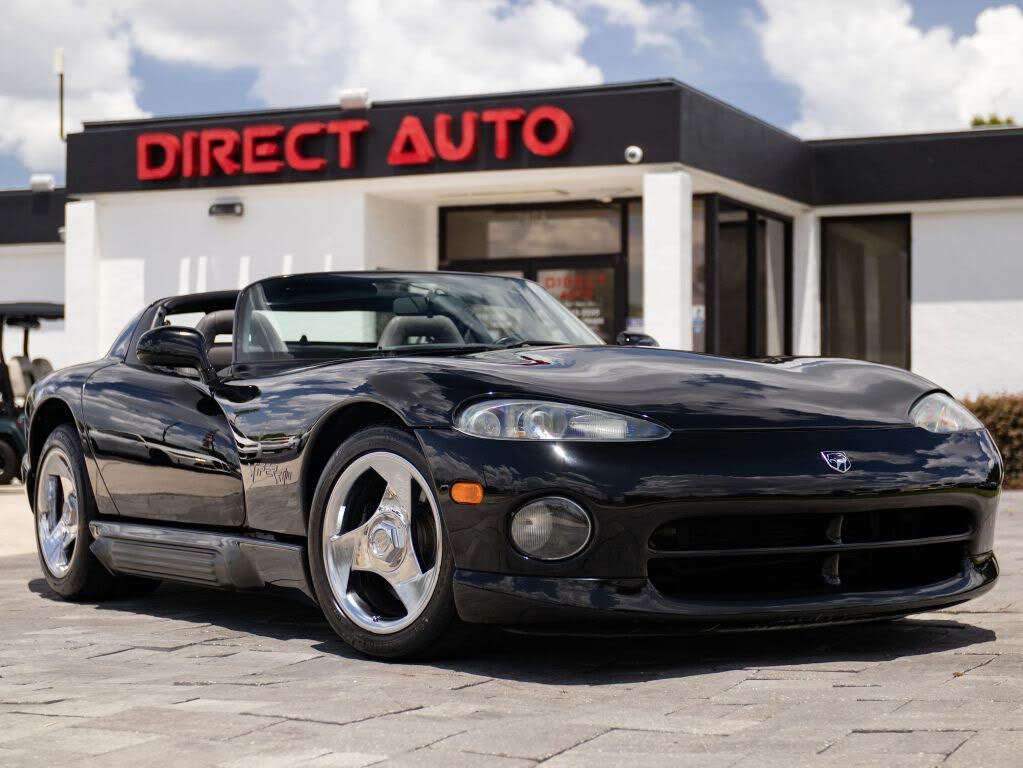 $11k below market Locked
1994 Dodge Viper
Gen I
Great deal: about $11k under fair value for its year, trim and miles.
Asking price $49,392Deal score 97 -
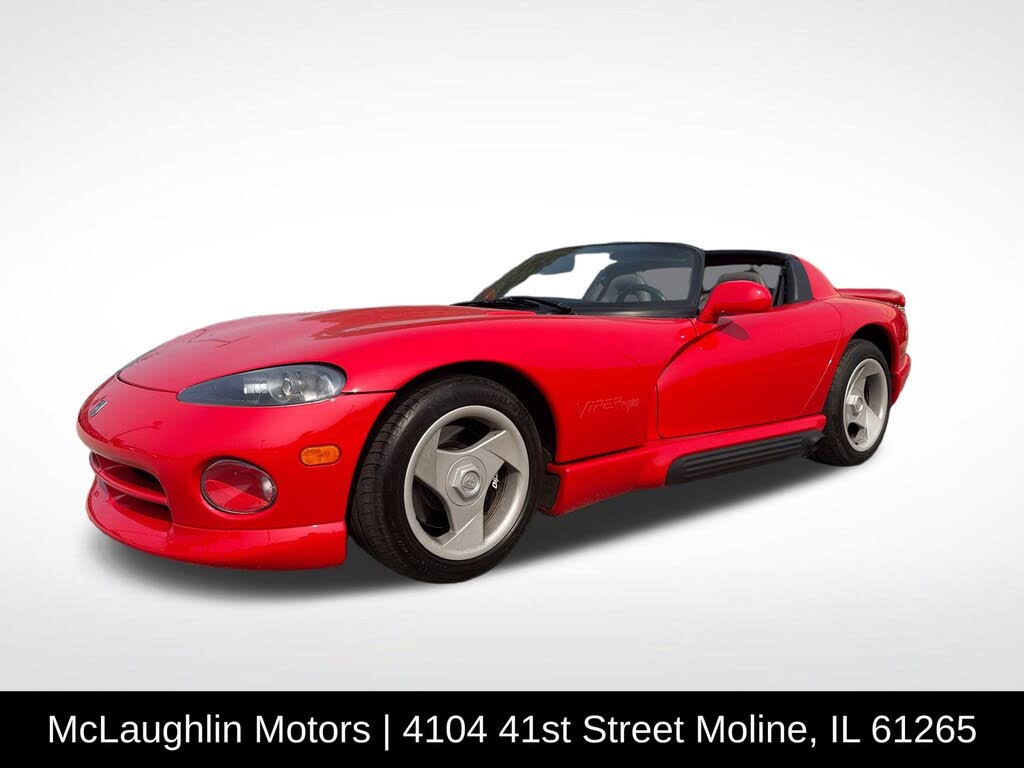 $10k below market Locked
1994 Dodge Viper
Gen I
Great deal: about $10k under fair value for its year, trim and miles.
Asking price $46,251Deal score 96 -
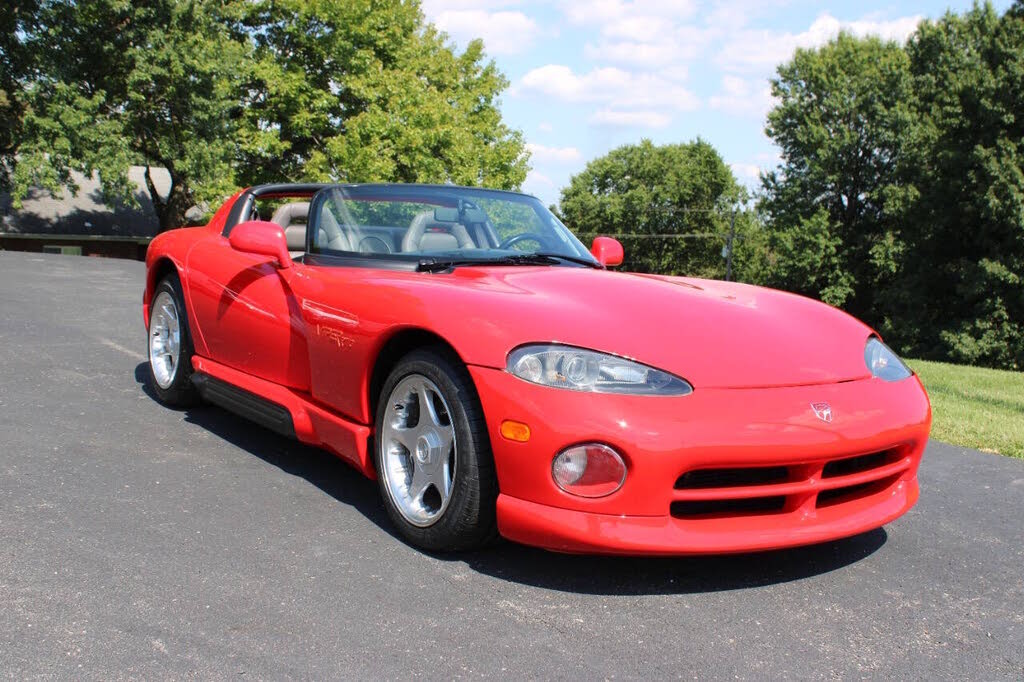 $9k below market Locked
1994 Dodge Viper
Gen I
Great deal: about $9k under fair value for its year, trim and miles.
Asking price $44,397Deal score 94 -
 $7k below market Locked
1993 Dodge Viper
Gen I
Great deal: about $7k under fair value for its year, trim and miles.
Asking price $40,145Deal score 92 -
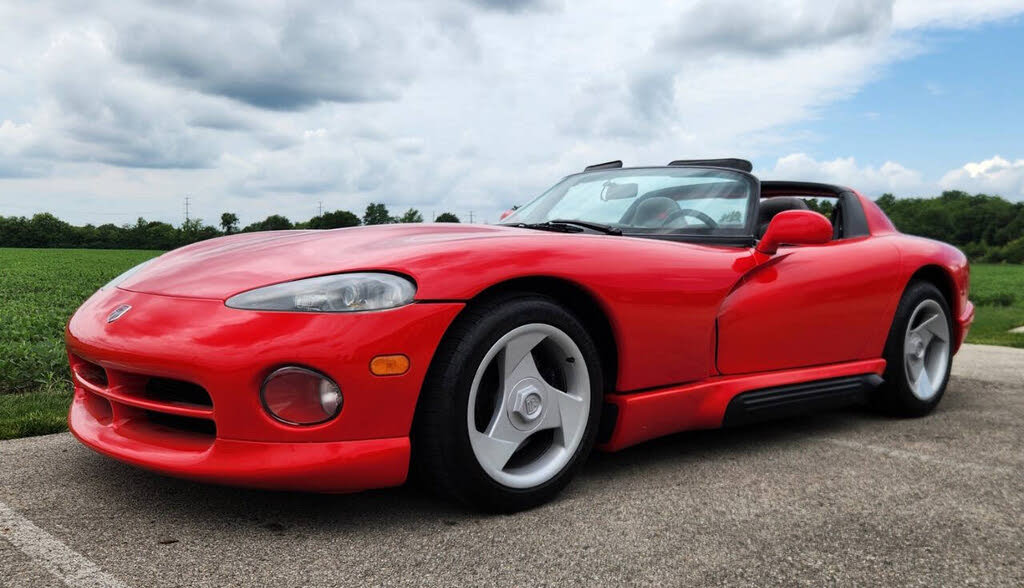 $7k below market Locked
1994 Dodge Viper
Gen I
Great deal: about $7k under fair value for its year, trim and miles.
Asking price $49,998Deal score 89 -
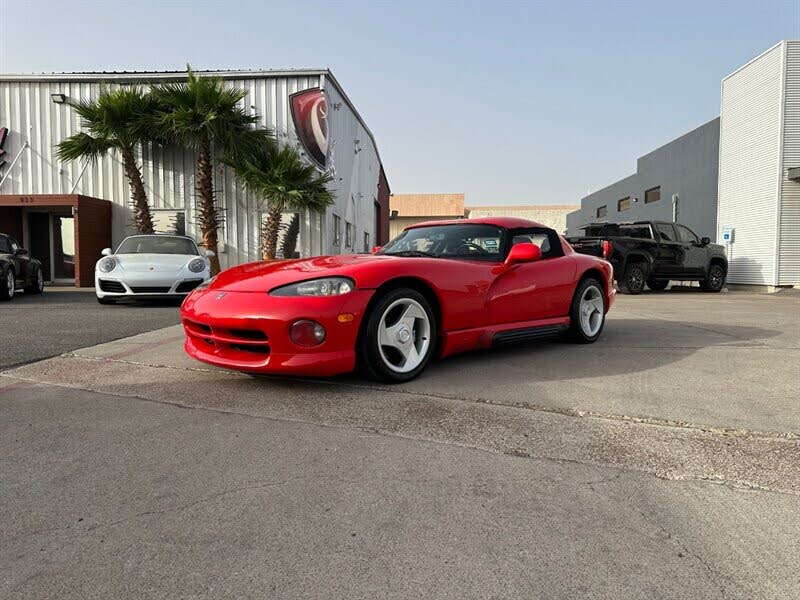 $8k below market Locked
1995 Dodge Viper
Gen I
Great deal: about $8k under fair value for its year, trim and miles.
Asking price $55,374Deal score 88
Members see every deal's VIN, dealer and listing link, plus a negotiation email.
first-generation Viper prices by model year
Median asking price for each model year in our latest scan, with the number of cars listed and their price range.
- 1995 Dodge Viper for sale $54,194
- 1994 Dodge Viper for sale $53,765
- 1993 Dodge Viper for sale $56,910
- 1992 $100,113
first-generation Viper fair values by trim and year
Our fair value is what comparable cars, same trim and model year with typical miles, are listed at in our latest market data. A car well under it is worth a close look; a car well over it needs a reason.
| Trim | Model year | Fair value | Typical miles |
|---|---|---|---|
| RT/10 | 1995 | $57,519 | 20,900 |
| RT/10 | 1994 | $54,791 | 19,900 |
| RT/10 | 1993 | $55,948 | 15,900 |
| RT/10 | 1992 | $62,224 | 7,100 |
| RT/10 Roadster | 1995 | $79,452 | 14,900 |
first-generation Viper for sale now
-
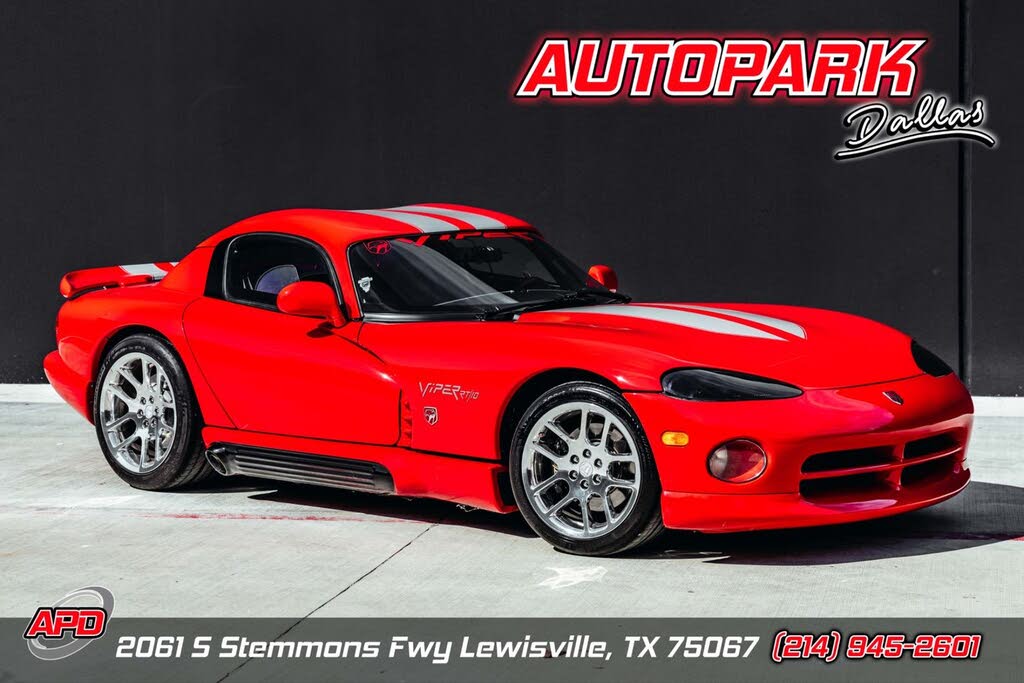
1994 Dodge Viper
Gen I RT/10
Asking price $60,145 -
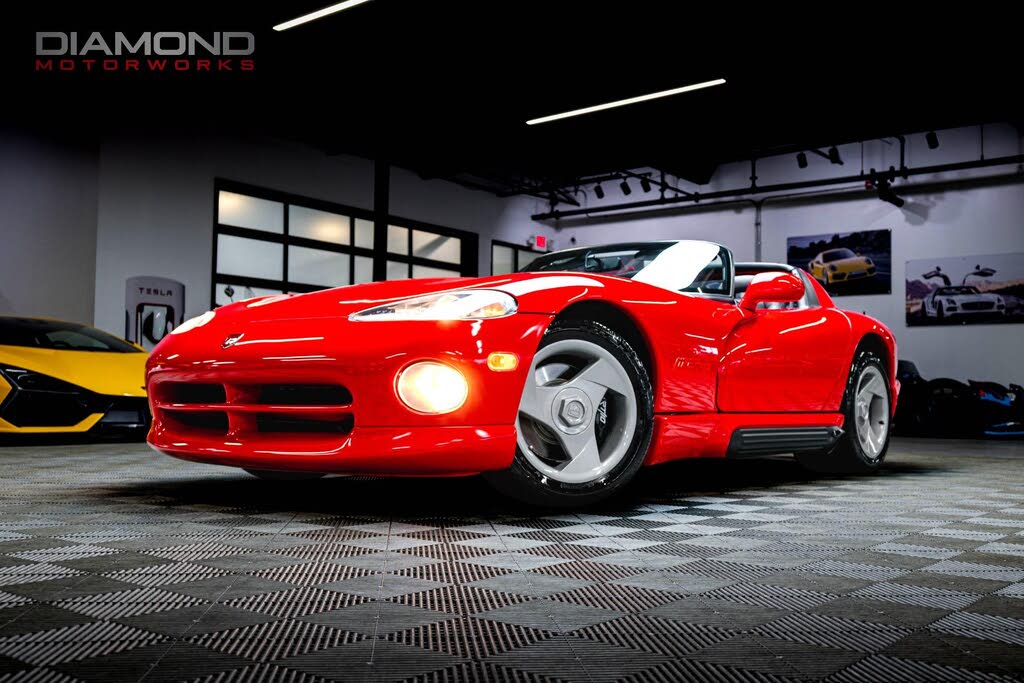
1993 Dodge Viper
Gen I RT/10
Asking price $69,361 -

1994 Dodge Viper
Gen I RT/10
Asking price $64,900 -

1994 Dodge Viper
Gen I RT/10
Asking price $57,197 -
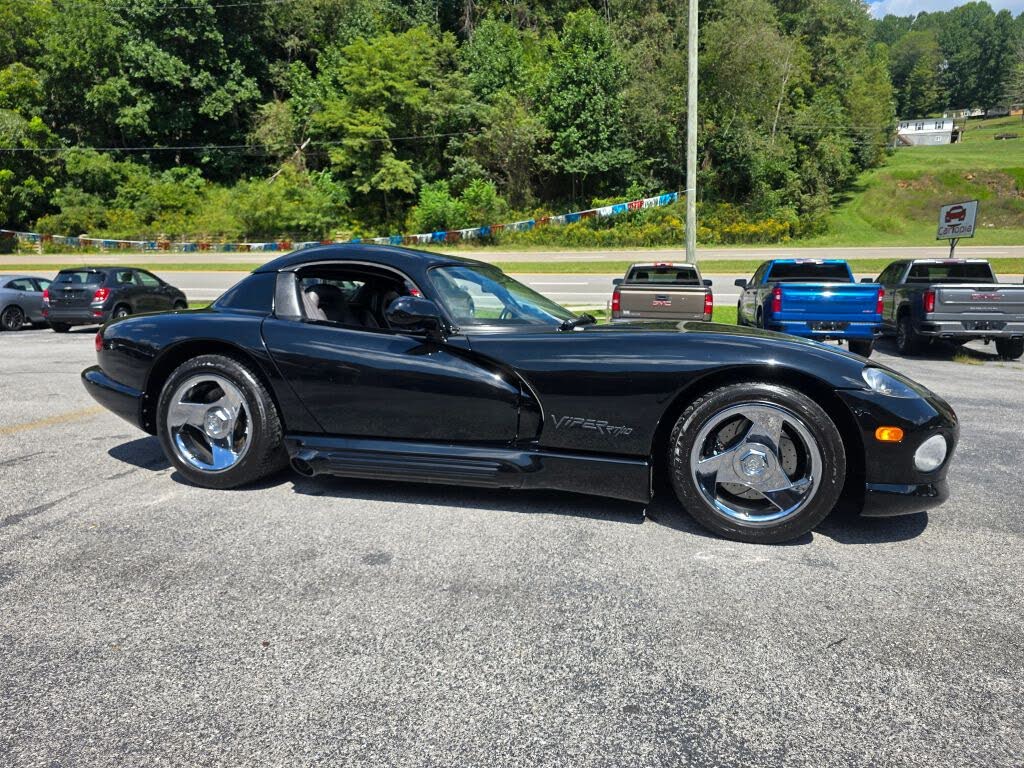
1995 Dodge Viper
Gen I RT/10
Asking price $54,194 -
1993 Dodge Viper
Gen I RT/10
Asking price $40,145 -
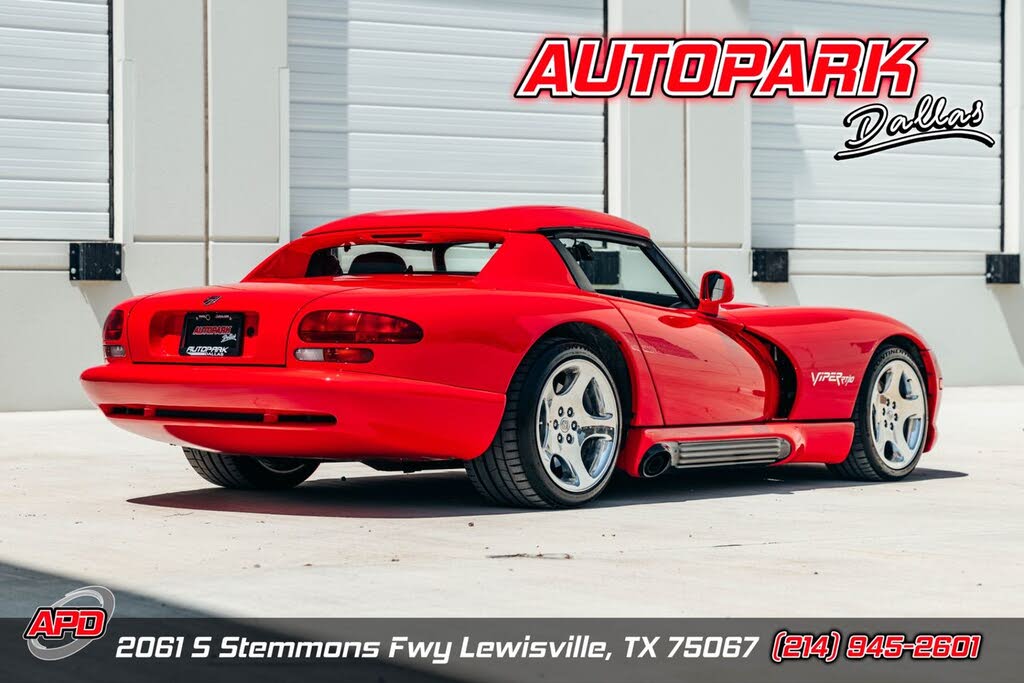
1995 Dodge Viper
Gen I RT/10
Asking price $63,145 -

1995 Dodge Viper
Gen I RT/10
Asking price $50,549 -
1995 Dodge Viper
Gen I RT/10
Asking price $55,374 -
1994 Dodge Viper
Gen I RT/10
Asking price $46,251 -
1994 Dodge Viper
Gen I RT/10
Asking price $49,392 -
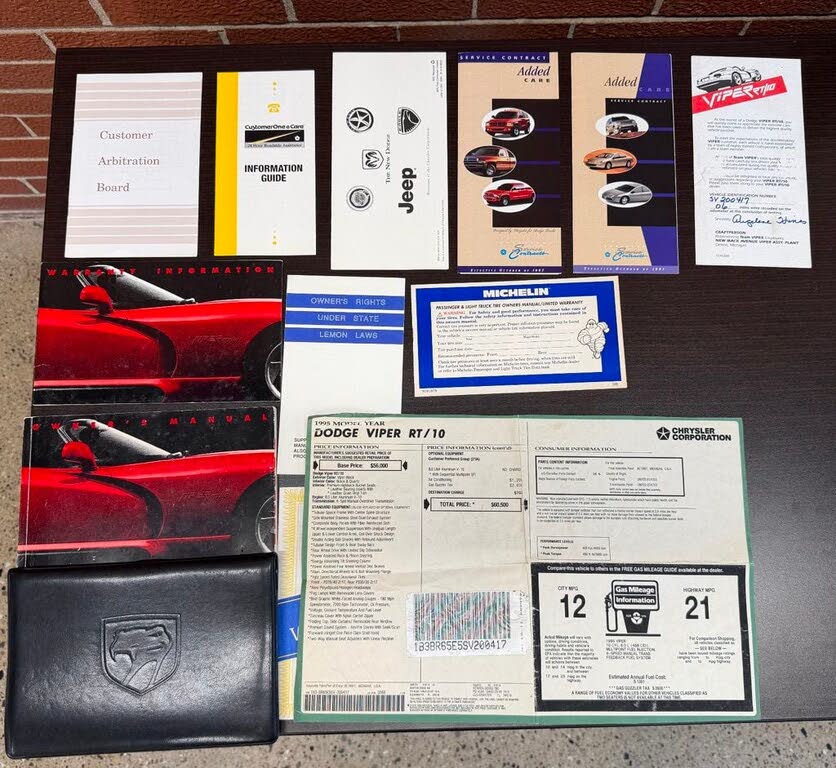
1995 Dodge Viper
Gen I RT/10
Asking price $76,174 -
1994 Dodge Viper
Gen I RT/10
Asking price $44,397 -
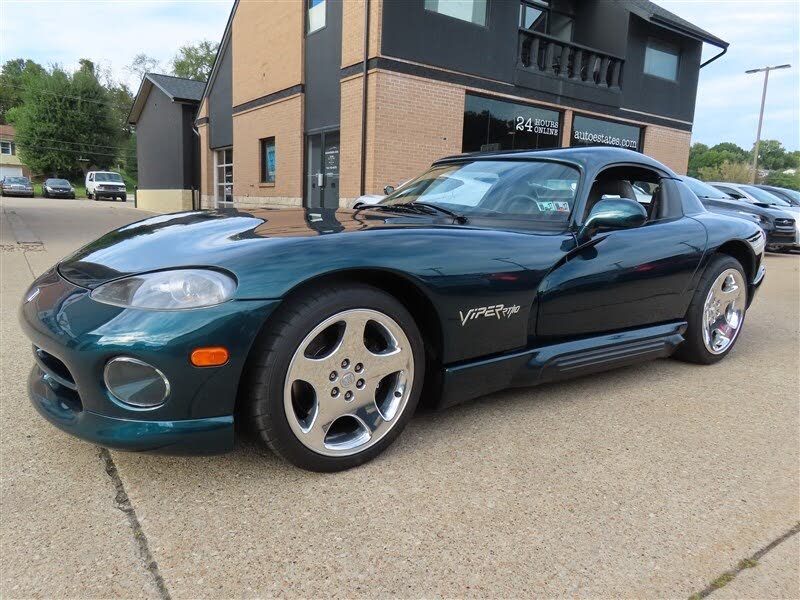
1995 Dodge Viper
Gen I RT/10
Asking price $54,975 -
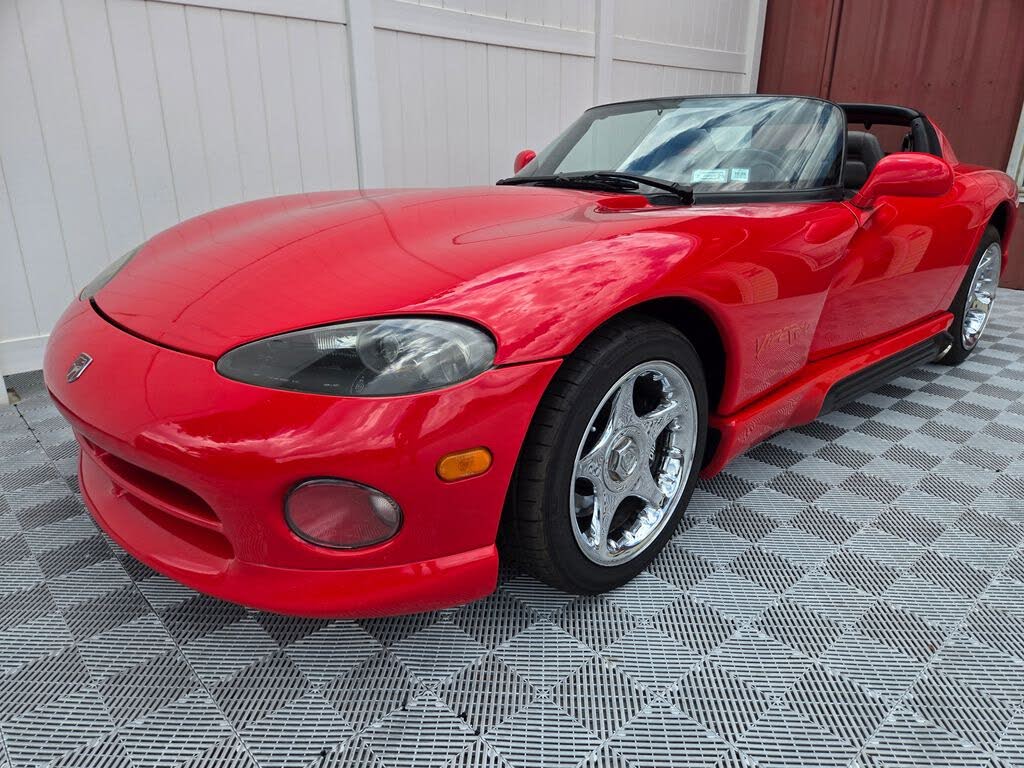
1994 Dodge Viper
Gen I RT/10
Asking price $49,633 -
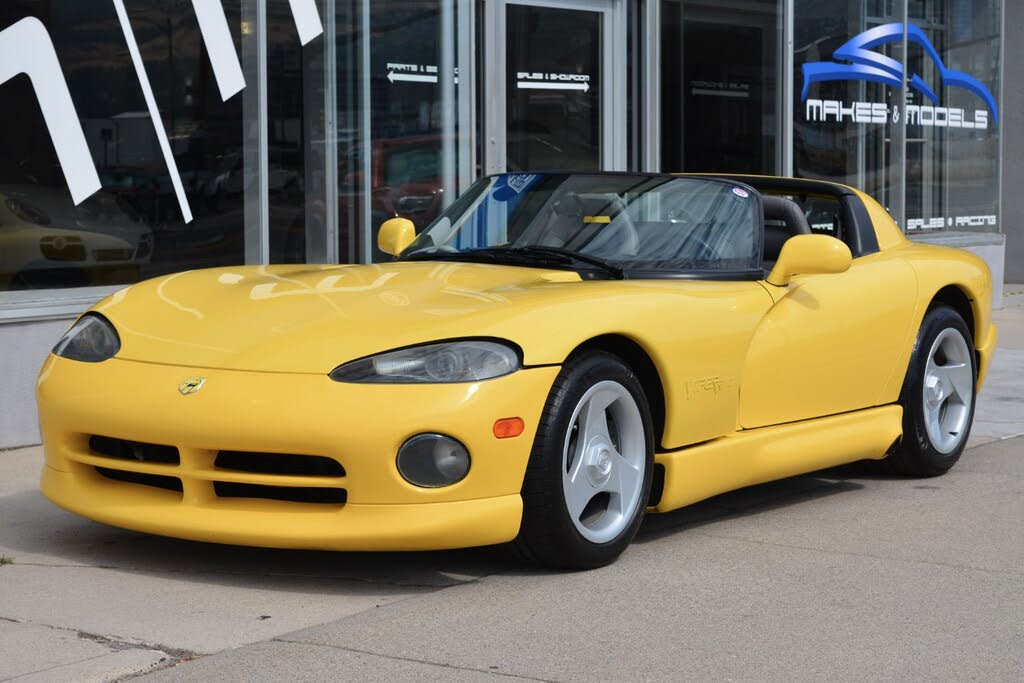
1995 Dodge Viper
Gen I RT/10
Asking price $52,495 -
1994 Dodge Viper
Gen I RT/10
Asking price $49,998 -
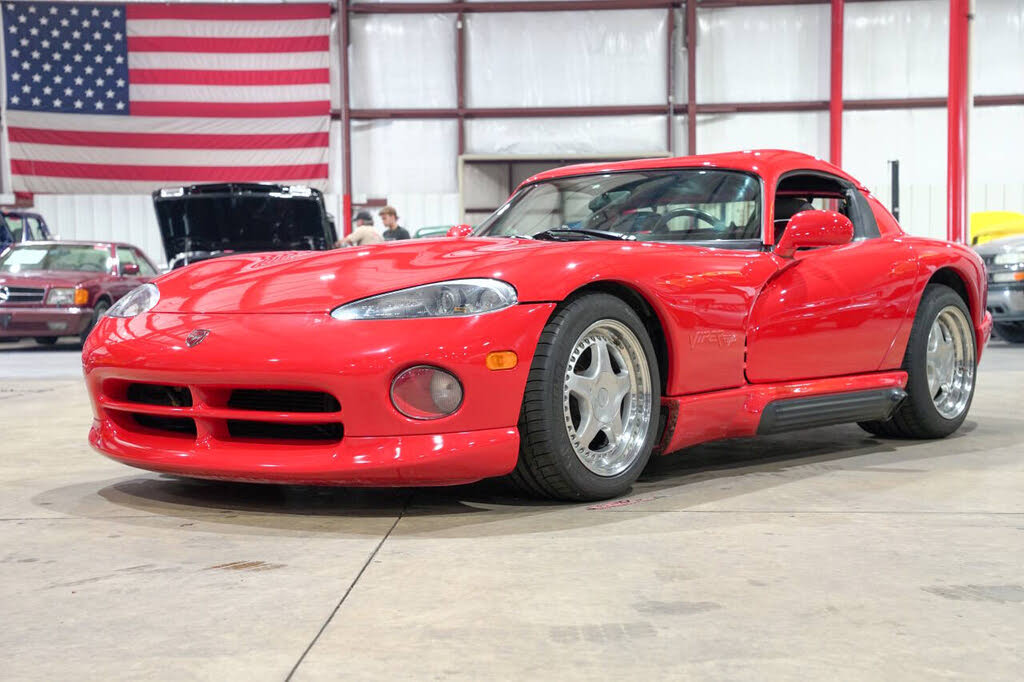
1993 Dodge Viper
Gen I RT/10
Asking price $70,180 -

1993 Dodge Viper
Gen I RT/10
Asking price $50,824 -
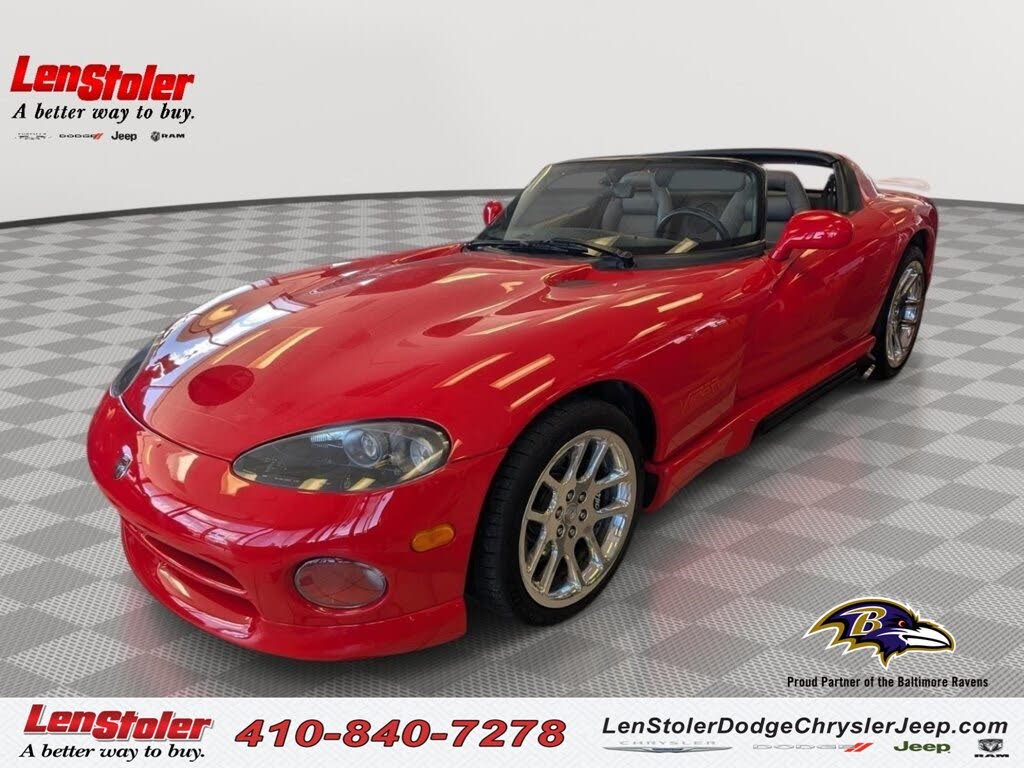
1994 Dodge Viper
Gen I RT/10
Asking price $52,299 -
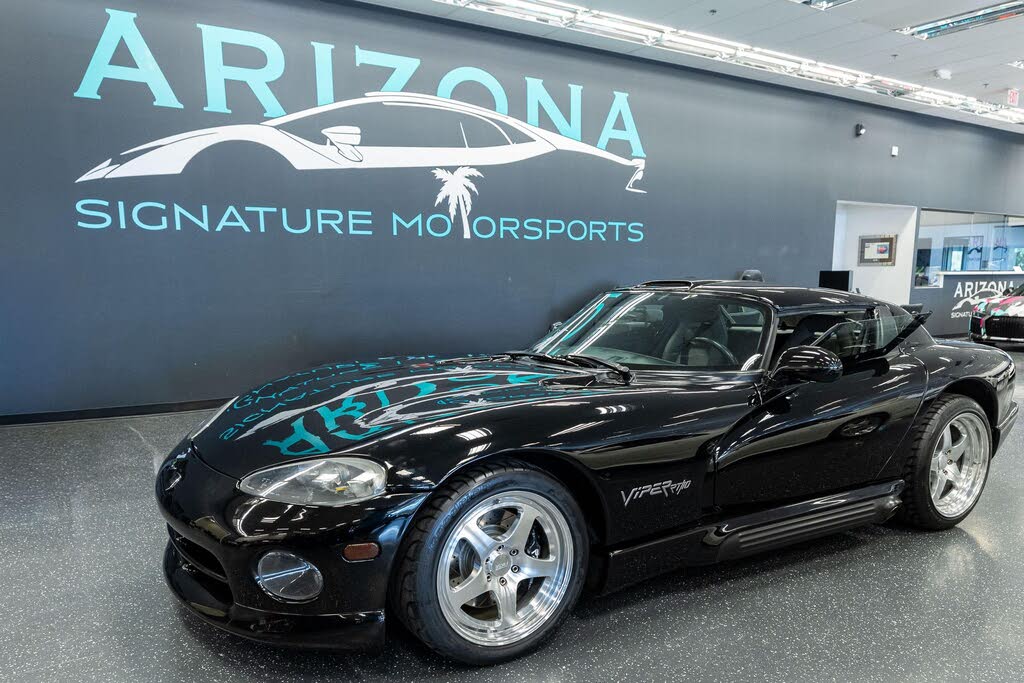
1994 Dodge Viper
Gen I RT/10
Asking price $45,798 -
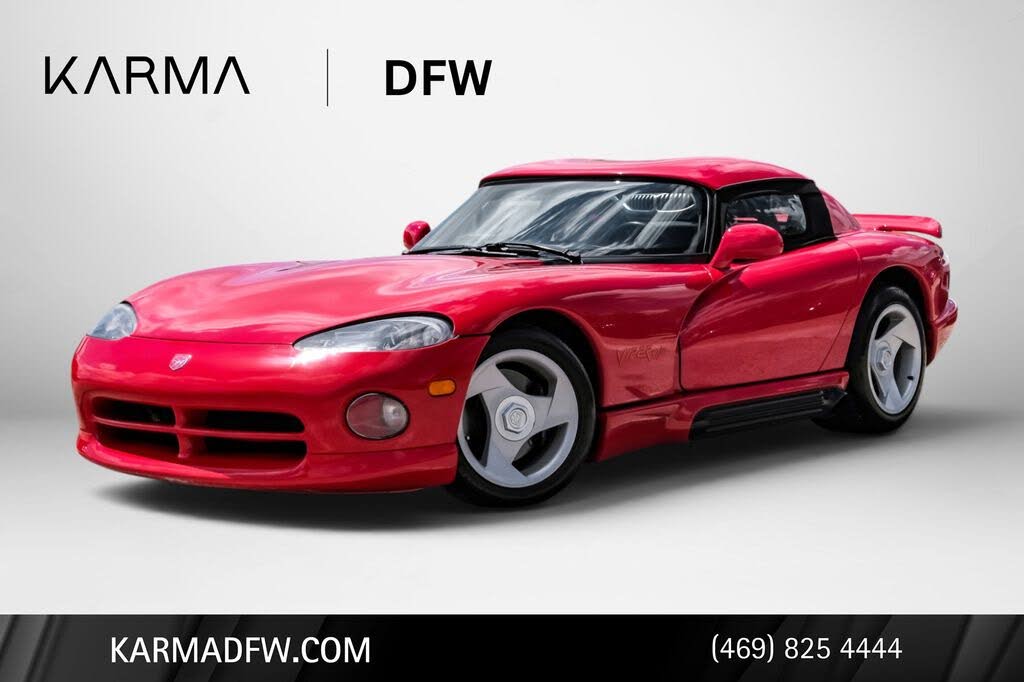
1995 Dodge Viper
Gen I RT/10
Asking price $53,023 -
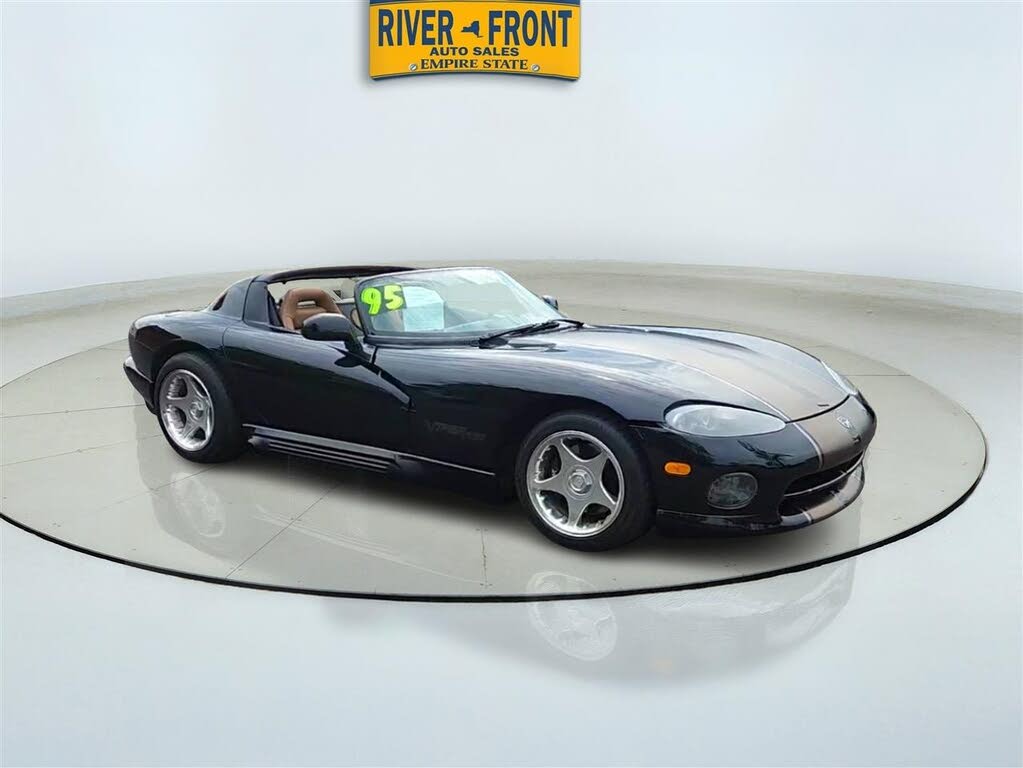
1995 Dodge Viper
Gen I RT/10
Asking price $49,998 -

1994 Dodge Viper
Gen I RT/10
Asking price $60,075
Our verdict
Buy the most original, best-documented car you can find, and take a 1994 or 1995 if you want air conditioning, a reverse lockout or the factory hardtop. A low-mile 1992 is the collector choice, but only with red over gray paint and its original top and side curtains. Skip modified cars, and be wary of early engines without evidence of what was done about the piston rings.
Do not skimp on the inspection. Cold-start exhaust noise, sill heat damage and head gasket history are the items that decide whether a car is sound. Start your search among used Vipers for sale, and see the best used sports cars if you are still weighing alternatives.
Sources
We read these pages and checked every fact in this guide against them. The words are ours. Researched Oct 31, 2026.
- 1st Gen Dodge Viper (1992-1995) Octane Files
- Used Dodge Viper (1st-gen) review ReDriven
- Dodge Viper Buyers Guide: Common Issues, Pricing, Specs Road & Track
- Dodge Viper (SRI/SRII): PH Used Buying Guide PistonHeads
- Dodge Viper RT/10 (Gen 1) - What to look for Car Collector International
- Road car buying guide: Dodge Viper RT/10 Motor Sport Magazine
- Guide d'achat : Dodge Viper 1992-1995 Motor1
- Dodge Viper: Buy one now? Classic Motorsports
- Recalls and owner complaints for the first-generation Viper NHTSA
Shop the first-generation Viper
Latest Dodge Viper news
- Used Dodge Viper asking prices climb 9.7% since July With 217 Vipers listed, 4.1 months of supply and 60 cars rated good or great deals, the market reads balanced even as comparable prices climb.
- Used luxury car asking prices hold steady on 24 of 49 models in October All six of the biggest risers are sports cars or exotics, and all six of the biggest decliners are SUVs. The Ferrari SF90 Stradale rose in price yet takes months to sell.
first-generation Viper: common questions
What is the best first-generation Viper to buy?
A base, as-original car with good documentation is the one to buy, according to the specialists we read. A 1992 with few miles, no modifications and its original top and side curtains is the collector's pick, while a 1994 or 1995 adds air conditioning options or the factory hardtop. Avoid modified cars, which have likely seen track use.
What goes wrong with the first-generation Viper?
Head gaskets, early piston rings and sill heat damage are the main concerns. Early 1992-1993 cars suffered piston ring problems with high oil consumption. Other items are coolant and oil leaks, perished rubber parts, a cracked armrest support and early fuel fitting leaks.
Is the first-generation Viper reliable?
Mostly, yes. ReDriven calls it generally mechanically reliable with a simple pushrod V10, and the gearbox and limited-slip differential rarely give major trouble. Age-related rubber, gaskets and the early engines are the weak points.
How much does it cost to run a first-generation Viper?
Expect four-figure bills for head gaskets and much more for body parts. A clamshell hood can cost five figures and a plastic windscreen cowl around $3,000, according to Road & Track and ReDriven. The correct tires are scarce, though shared Chrysler parts keep routine repairs easier.
How much is a used first-generation Viper?
Asking prices for the 32 cars we track for sale right now run from $40,145 to $150,478, with a median of $55,103. Model year, version, mileage and history move the price most; the prices by model year and fair values on this page show where a car should sit.
Has the first-generation Viper been recalled?
NHTSA lists no recall campaigns from the carmaker for the 1992 to 1995 model years as of Oct 31, 2026. Check the VIN of any car you're considering at nhtsa.gov/recalls before you buy.