
Buying guide · 1996 to 2002Updated
Dodge Viper (second generation, SR II) buying guide
The second-generation Viper is a simple, stout V-10 car with no ABS before 2001 and a few heat and hardware faults, so the model year and the car's condition matter.
The second-generation Viper as a used buy
The second-generation Viper ran from 1996 to 2002 and is built around an 8.0-liter V-10 rated at 450 horsepower and 490 lb-ft, paired with a six-speed Tremec T56 manual. There is no automatic. Dodge sold just over 10,000 of them, in GTS coupe, RT/10 roadster and, later, ACR and GT2 forms.
Hagerty calls the drivetrain very stout, and avoiding the maintenance bills of comparable 1990s Italian or German cars is part of the appeal. The catch is that low sales numbers make repairs harder. DrivingLine adds that the car is fairly easy to work on, being still just a Dodge.
Two things matter most. Cars before 2001 have no ABS or traction control, and heat is the recurring theme in the known faults, from the cooling system to the catalytic converters. Have a Viper-trained technician look over any car before you buy.
second-generation Viper years and versions
The GTS coupe was the only second-gen car in 1996. The RT/10 roadster followed in 1997, and both stayed on sale until the third-generation cars arrived in 2003. Dodge also built 1996 RT/10s known as Gen 1.5, which mix old and new mechanicals and chassis construction and are not true second-gen cars. Our first-generation guide covers the earlier cars.
Changes were steady. The RT/10 got an air inlet hood in 1998, when a tubular stainless header design that was 24 pounds lighter arrived. Power mirrors and an improved interior came in 1999. ABS was added to every car for 2001, and Hagerty calls the 2002 GTS the most developed of the series. Hagerty also notes that cars without ABS are known to lock the right front in panic braking, so look at 2001 or later if you want it.
Engines changed too. The 1996 to 1999 cars have forged internals and the 708 cam, a good base for forced induction. From 2000 to 2002 they have cast pistons, fast bleed lifters and a milder cam that is less friendly to boost. If you plan to add power, that favors the earlier cars.
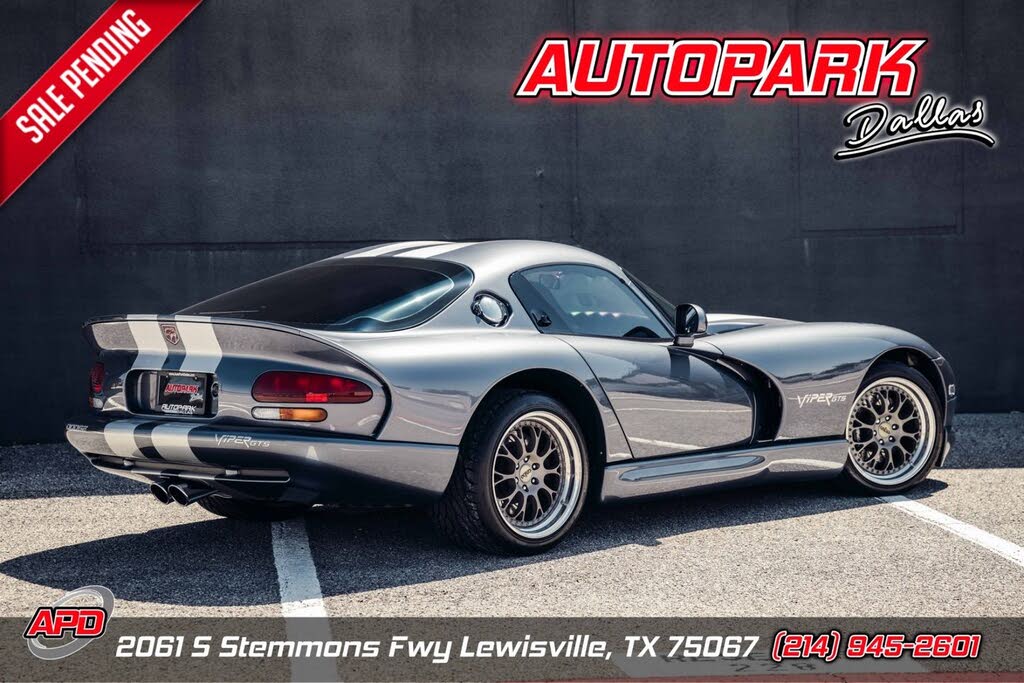
The ACR coupe arrived in 1999, about 60 pounds lighter than the GTS, with air conditioning and audio deleted unless the Comfort Group is ordered, plus BBS wheels and a five-point harness. The GT2 Championship Edition is the rarest second-gen car, with only 102 built in 1998. Hagerty's second guide says the blue-and-white 1996 and 1997 GTS coupes are the most in demand. The 1997 RT/10 is the hardest to find, with 114 built. Browse used Viper listings, or the RT/10 market and GTS market pages.
second-generation Viper versions for sale now
Every version in our latest scan, most listed first. Each links to its own page with deal analysis and market history.
| Version | Model years | For sale | Median price |
|---|---|---|---|
| Viper GTS | 1996-2002 | 35 | $99,792 |
| Viper RT/10 Convertible | 1996-2002 | 22 | $60,744 |
Common second-generation Viper problems
The faults below come mostly from DrivingLine and Driving.ca, and several trace back to heat.
Plastic power steering pulley
The original plastic pulley can crack or come apart with little or no warning, according to DrivingLine. Billet aluminum replacement kits are available.
Power steering cap fire risk
The reservoir cap can work loose or crack. A cap that lands near the manifolds can start an under-hood fire.
Catalytic converter heat
Hagerty says the stock converters generate huge heat and need attention. DrivingLine adds that the heat around the side sills, where the converters sit, commonly bubbles the paint.
Overheating
Some owners report overheating, especially in high ambient temperatures or sustained heavy-throttle driving, Driving.ca says, though many have had no trouble. Cross-contaminated oil and coolant could point to a head-gasket problem.
Door hinge wear
Hinges wear from people levering themselves in and out, and the door then drops or drags on the sill. DrivingLine calls it a pricey repair.
Throw-out bearing noise
A noise through the floor near the driver's feet can mean a worn throw-out bearing. The fix is a new clutch.
Unassisted braking
Cars before 2001 have no ABS, and Hagerty reports lockup of the right front in panic stops. It is a trait of the car as built, not a wear fault.
What to check on a used second-generation Viper
Bring a Viper-trained technician if you can, and work through these points.
- Check the front of the hood closely for fiberglass cracks, since a replacement hood is very expensive.
- Look for the 998 recall work on the front crossmember, which when done correctly shows two triangles at each side of the crossmember.
- Look under the rockers for track rash, because the sills are aluminum.
- Inspect the paint along the side sills for bubbles that point to catalytic converter heat.
- Ask whether the plastic power steering pulley has been replaced with a billet unit, and check that the reservoir cap sits tight.
- Have the cooling system inspected and compare the oil and coolant for cross-contamination.
- Watch the coolant gauge on the test drive, which should settle near the middle, and confirm the heater pushes plenty of hot air.
- Listen for rear differential noise, which can come from the wrong gear oil or friction modifier.
- Open and close each door and watch for dropping or dragging on the sill.
- Listen for noise through the floor near the pedals when the clutch is used.
- Ask for records showing which gear oil and friction modifier the differential has had.
second-generation Viper running costs
The engine takes 8.5 quarts of 10w-30 synthetic oil, and DrivingLine notes the drain plug sits low enough that an oil change means raising the whole car. Driving.ca says the rear differential needs regular oil changes using the correct gear oil and an exact measure of friction modifier.
The sources we read give no service price figures. Expect the larger bills to come from hinges, a hood or a clutch, which sources describe as pricey or very expensive. Hagerty warns that low sales numbers make repairs harder, so ask a specialist about parts before you commit.
second-generation Viper recalls and complaints
NHTSA lists 5 recall campaigns for these model years. Two concern track-driven cars: cracking of steering rack mounting brackets (1996 to 2000) and cracks at the welds of the rear differential mounting bracket (1996 to 1999). Another covers ACR and GT2 five-point harnesses (1998 to 2001) that may not meet FIA load specifications. The others are a 1997 air bag circuit that could allow an inadvertent deployment at ignition shut-down, and a 2000 to 2001 child restraint anchorage manual issue. A campaign for one model year does not mean every car that year was affected, so check a car's VIN at NHTSA's recall lookup.
Owners have filed 35 complaints with NHTSA, most about structure (9), with engine and engine cooling and steering at 7 each. They are reports, not proven faults.
NHTSA recalls for the second-generation Viper
Every recall campaign the carmaker filed with NHTSA for the 1996 to 2002 model years, newest first, as of Oct 31, 2026. Not every car of a listed year was affected: check a car's VIN at nhtsa.gov/recalls.
| Campaign | Reported | Model years | Component | What can happen |
|---|---|---|---|---|
| 01V313000 | Oct 4, 2001 | 1996 to 2000 | Steering | THE CRACKS COULD EVENTUALLY LEAD TO SEPARATION OF THE STEERING RACK FROM THE FRAME OF THE VEHICLE. SEPARATION OF THE STEERING RACK COULD RESULT IN UNEXPECTED STEERING LOOSENESS AND LAG. |
| 01V312000 | Oct 4, 2001 | 1996 to 1999 | Suspension | THE CRACKS COULD EVENTUALLY LEAD TO METAL FATIGUE AND DISLODGING OF THE DIFFERENTIAL MOUNTING BRACKET FROM THE FRAME OF THE VEHICLE. SEPARATION OF THE DIFFERENTIAL MOUNTING BRACKET COULD RESULT IN LOSS OF VEHICLE CONTROL. |
| 01V120000 | Apr 11, 2001 | 1998 to 2001 | Seat belts | IN THE EVENT OF A CRASH, THE HARNESS MAY NOT PROPERLY RESTRAIN AN OCCUPANT, INCREASING THE RISK OF PERSONAL INJURY. |
| 00V366000 | Nov 9, 2000 | 2000 to 2001 | Child seat | IN THE EVENT OF A CRASH, THE CHILD SEAT MAY NOT BE PROPERLY ATTACHED INCREASING THE RISK OF INJURY TO THE CHILD. |
| 97V080000 | May 16, 1997 | 1997 | Air bags | UNEXPECTED AIR BAG DEPLOYMENT CAN RESULT IN OCCUPANT INJURY. |
Owner complaints to NHTSA about the second-generation Viper
Owners filed 35 complaints with NHTSA for the 1996 to 2002 model years (3 crashes and 1 fire reported). A complaint is an owner's report, not a confirmed defect. A complaint can name more than one component.
| Component | Complaints |
|---|---|
| Structure | 9 |
| Engine and engine cooling | 7 |
| Steering | 7 |
| Power train | 4 |
| Air bags | 2 |
| Hydraulic | 2 |
| Seats | 2 |
| Service brakes | 2 |
Best second-generation Viper deals right now
17 deals priced below market right now, the best by about $27,590. Members get the VIN, dealer, listing link and a ready-to-send negotiation email for each one.
-
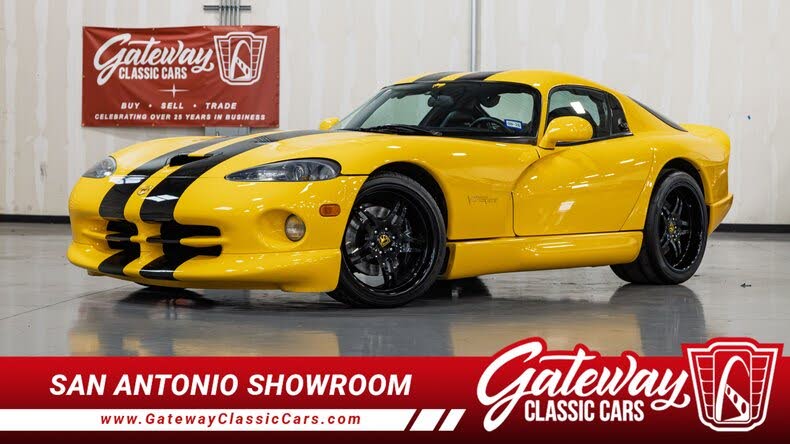 $28k below market Locked
2001 Dodge Viper
Gen II GTS
Great deal: about $28k under fair value for its year, trim and miles.
Asking price $71,225Deal score 100 -
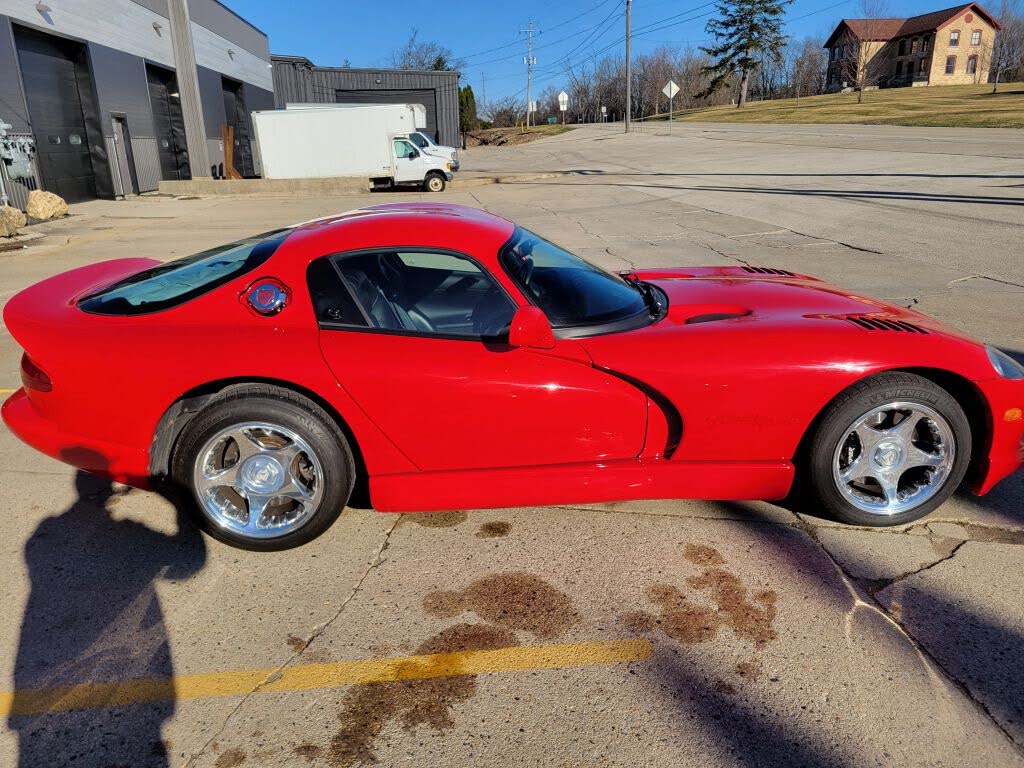 $23k below market Locked
1998 Dodge Viper
Gen II GTS
Great deal: about $23k under fair value for its year, trim and miles.
Asking price $75,000Deal score 98 -
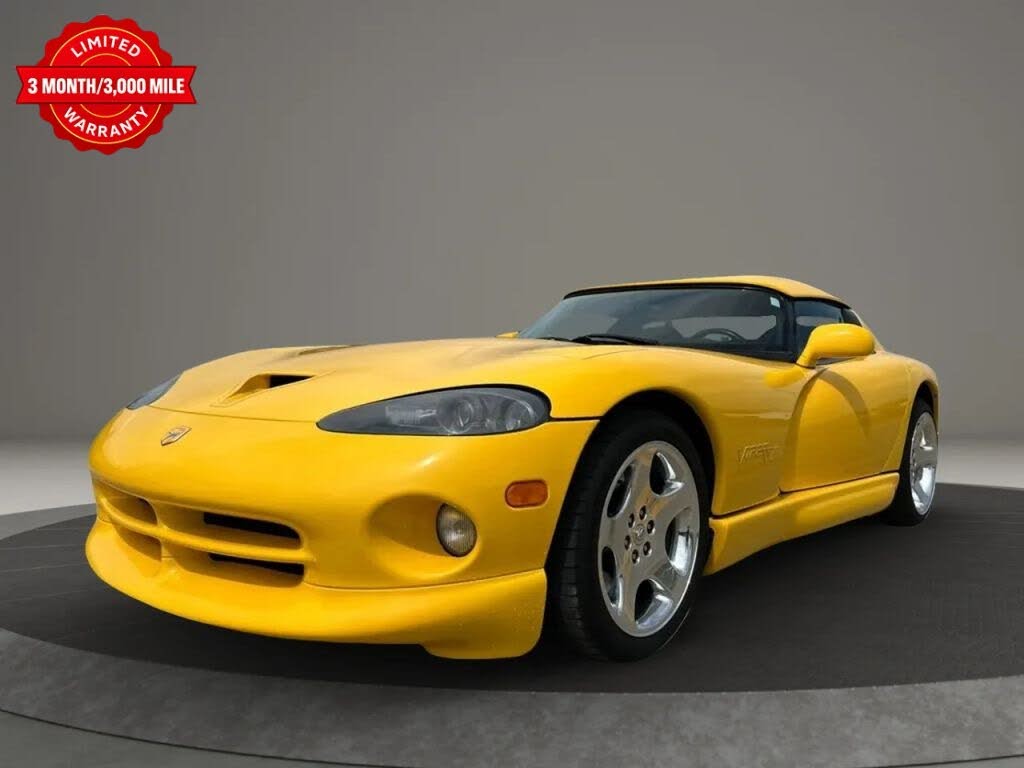 $15k below market Locked
2002 Dodge Viper
Gen II RT/10 Convertible
Great deal: about $15k under fair value for its year, trim and miles.
Asking price $57,498Deal score 98 -
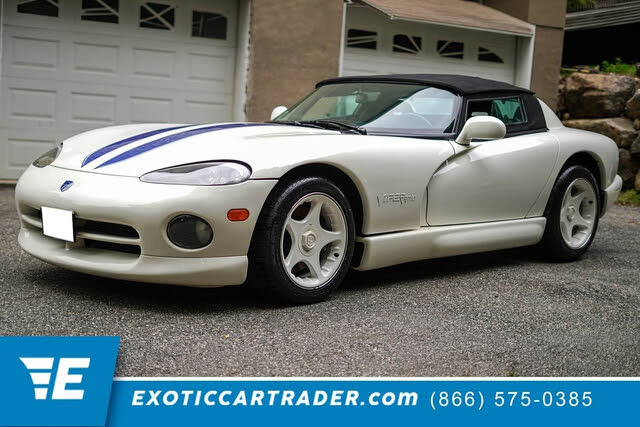 $9k below market Locked
1996 Dodge Viper
Gen II RT/10 Convertible
Great deal: about $9k under fair value for its year, trim and miles.
Asking price $49,999Deal score 94 -
 $13k below market Locked
2001 Dodge Viper
Gen II GTS
Great deal: about $13k under fair value for its year, trim and miles.
Asking price $70,399Deal score 91 -
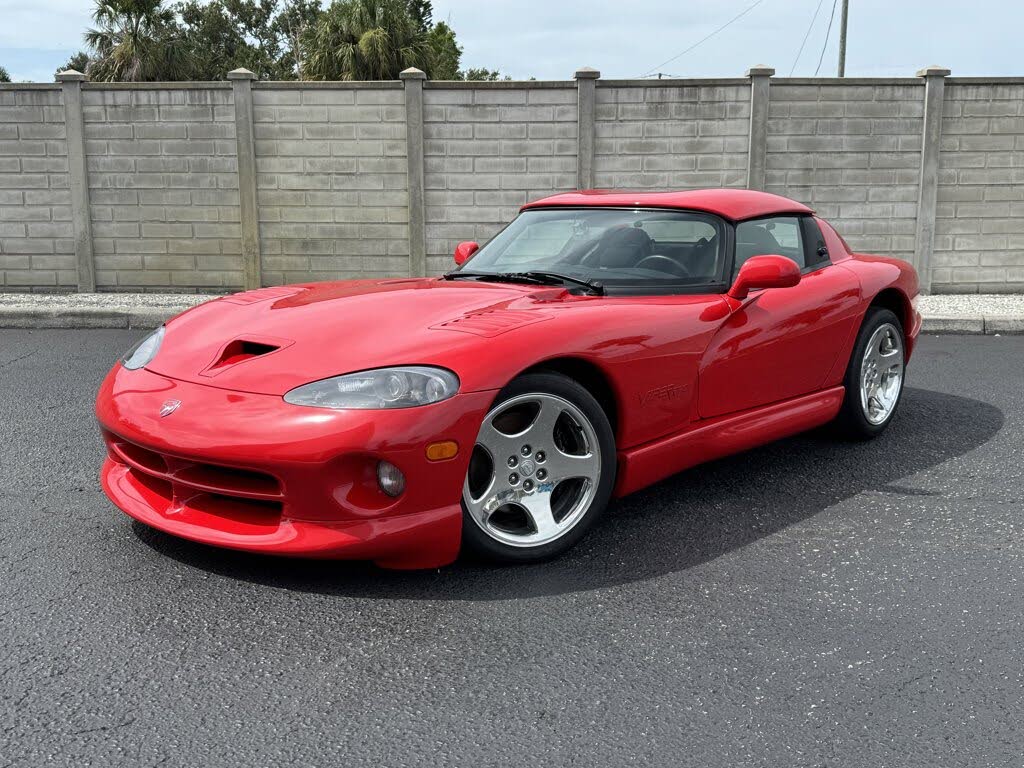 $12k below market Locked
2000 Dodge Viper
Gen II RT/10 Convertible
Great deal: about $12k under fair value for its year, trim and miles.
Asking price $74,023Deal score 90
Members see every deal's VIN, dealer and listing link, plus a negotiation email.
second-generation Viper prices by model year
Median asking price for each model year in our latest scan, with the number of cars listed and their price range.
- 2002 Dodge Viper for sale $99,886
- 2001 Dodge Viper for sale $67,367
- 2000 Dodge Viper for sale $70,508
- 1999 Dodge Viper for sale $99,819
- 1998 Dodge Viper for sale $90,145
- 1997 Dodge Viper for sale $88,145
- 1996 Dodge Viper for sale $90,272
second-generation Viper fair values by trim and year
Our fair value is what comparable cars, same trim and model year with typical miles, are listed at in our latest market data. A car well under it is worth a close look; a car well over it needs a reason.
| Trim | Model year | Fair value | Typical miles |
|---|---|---|---|
| GTS | 2002 | $107,987 | 10,600 |
| GTS | 1998 | $88,488 | 28,600 |
| GTS | 1997 | $94,318 | 15,600 |
| GTS | 1996 | $95,009 | 12,700 |
| RT/10 | 2002 | $62,048 | 24,000 |
| RT/10 | 2001 | $58,829 | 26,000 |
| RT/10 | 2000 | $58,685 | 23,200 |
| RT/10 | 1996 | $63,020 | 22,700 |
second-generation Viper for sale now
-
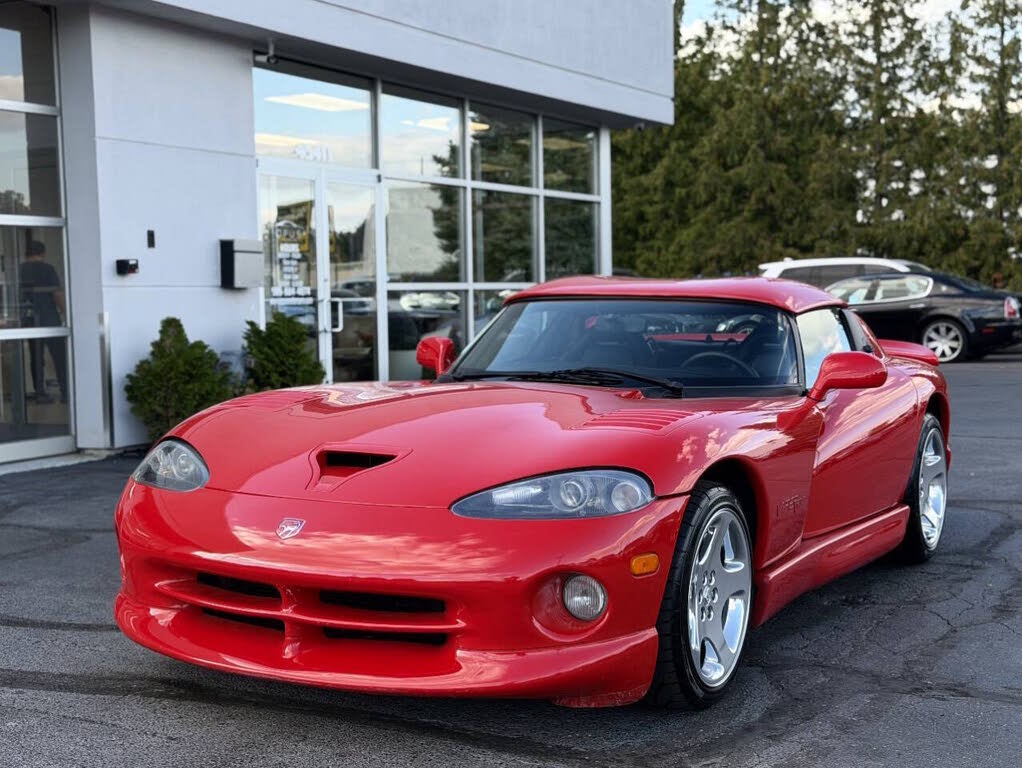
2000 Dodge Viper
Gen II RT/10
Asking price $55,275 -
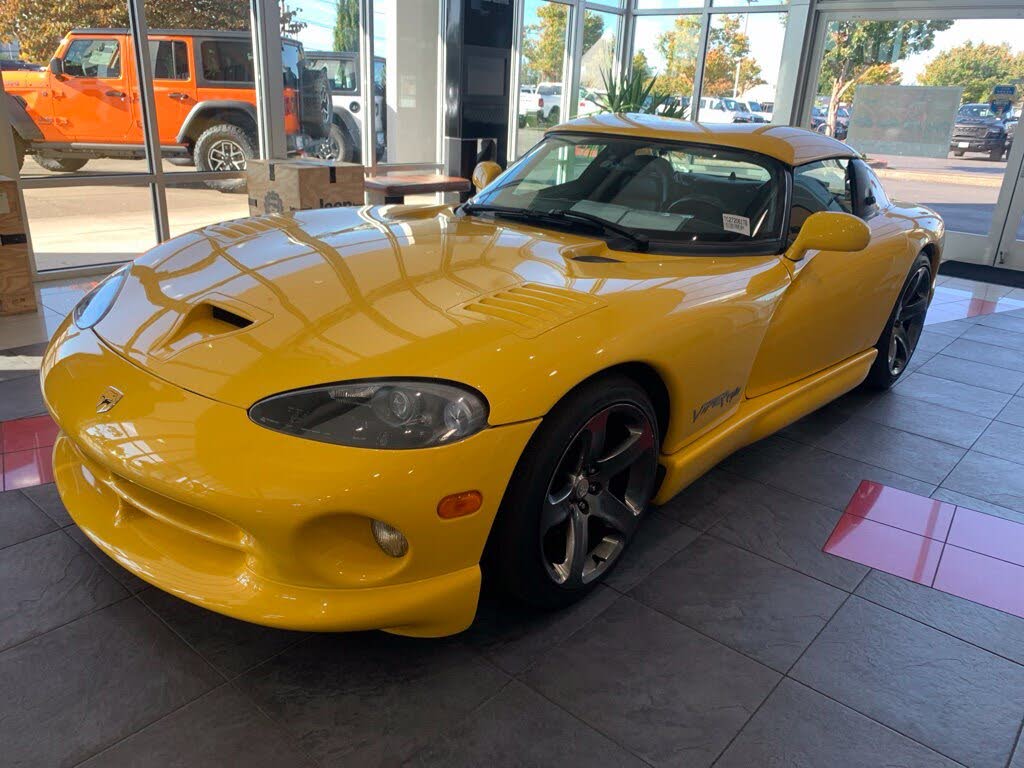
2001 Dodge Viper
Gen II RT/10
Asking price $57,217 -
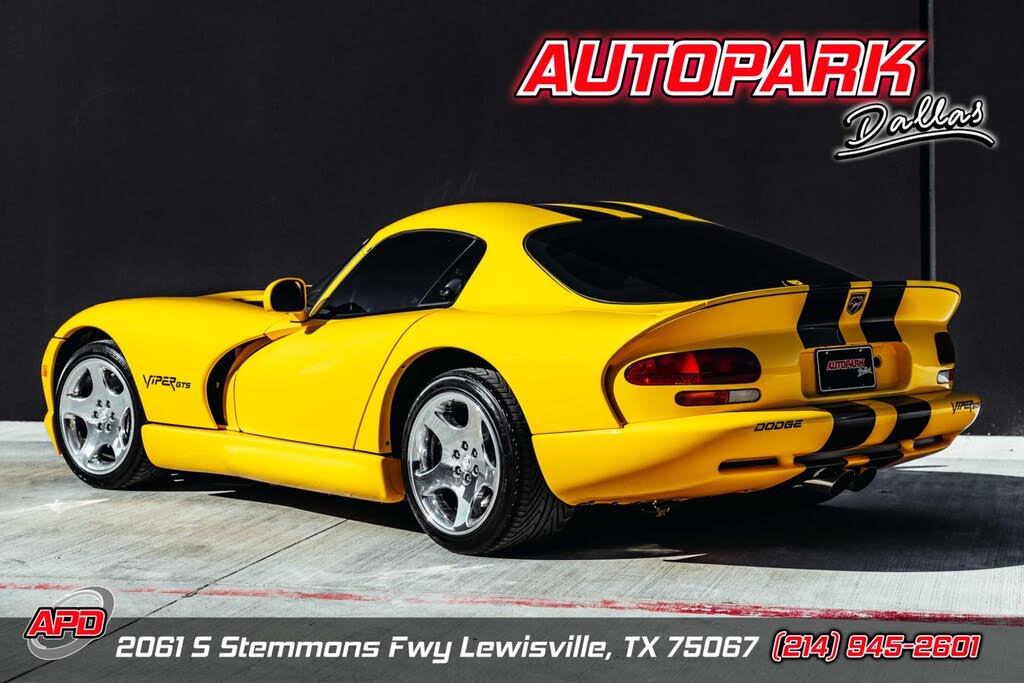
2001 Dodge Viper
Gen II GTS
Asking price $110,145 -
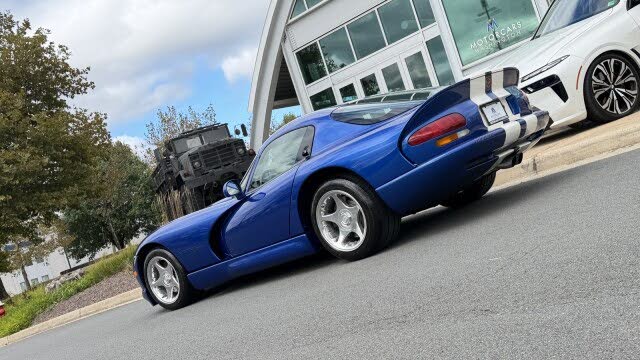
1996 Dodge Viper
Gen II GTS
Asking price $89,949 -

2000 Dodge Viper
Gen II RT/10
Asking price $65,593 -
2001 Dodge Viper
Gen II GTS
Asking price $70,399 -
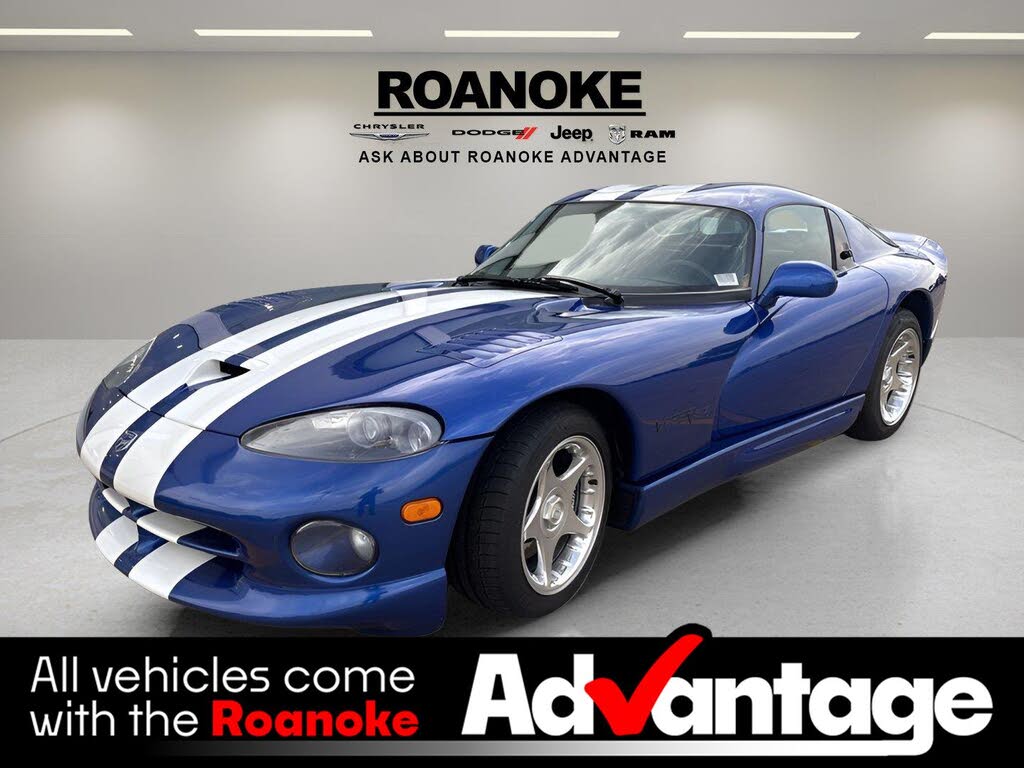
1996 Dodge Viper
Gen II GTS
Asking price $98,412 -

1996 Dodge Viper
Gen II GTS
Asking price $200,478 -
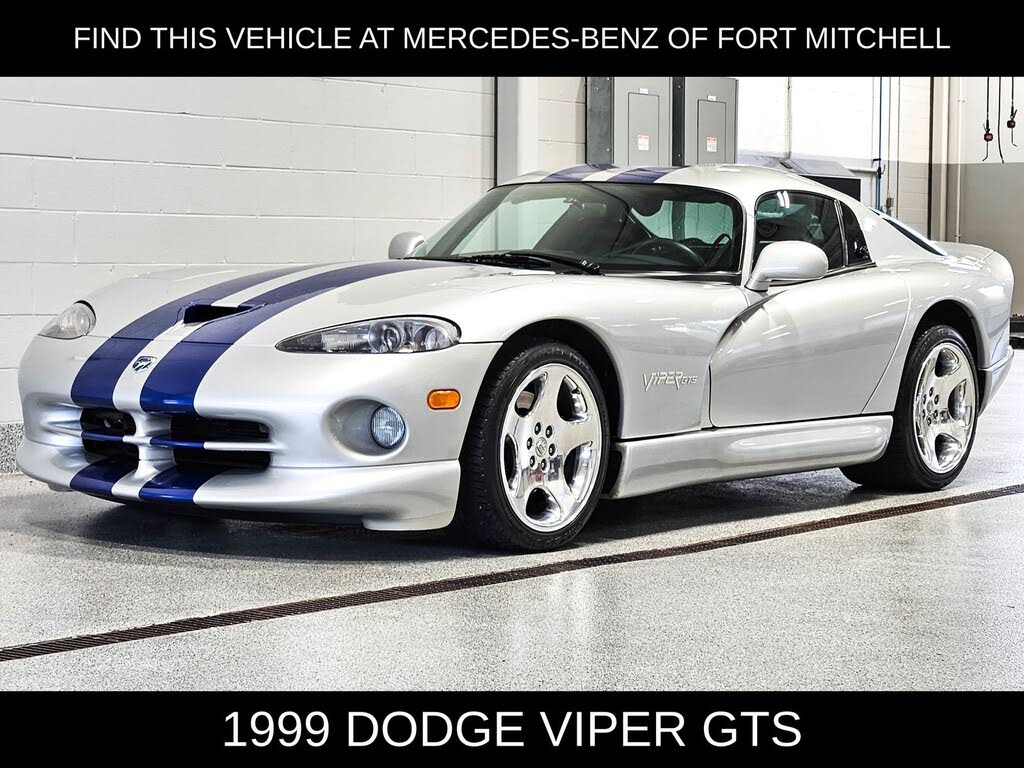
1999 Dodge Viper
Gen II GTS
Asking price $99,819 -
2001 Dodge Viper
Gen II GTS
Asking price $71,225 -
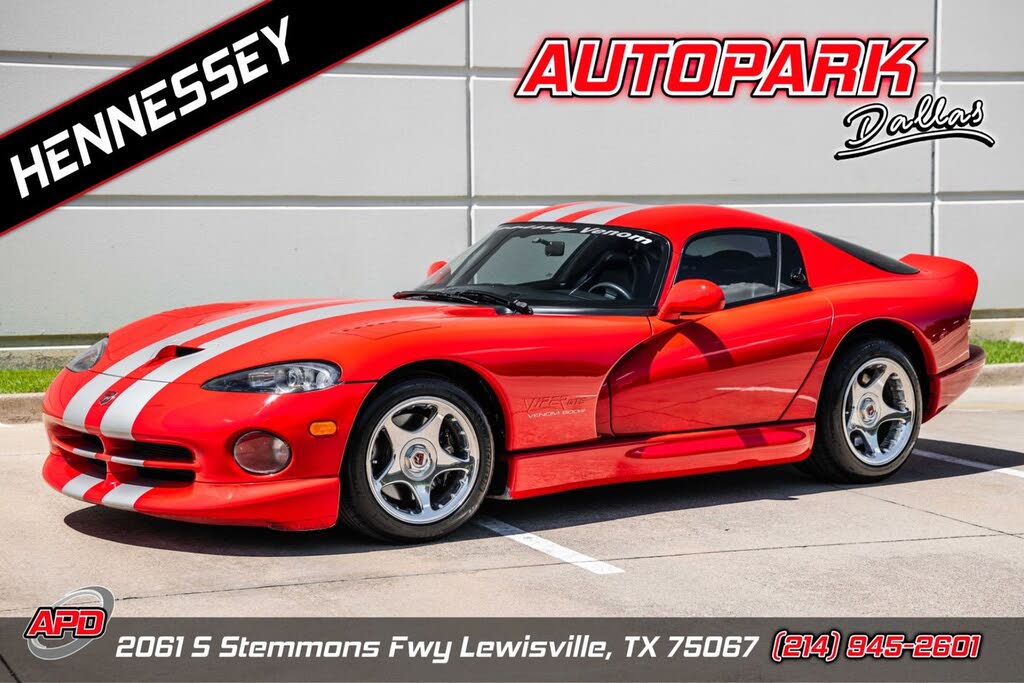
1998 Dodge Viper
Gen II GTS
Asking price $90,145 -

2000 Dodge Viper
Gen II GTS
Asking price $80,558 -
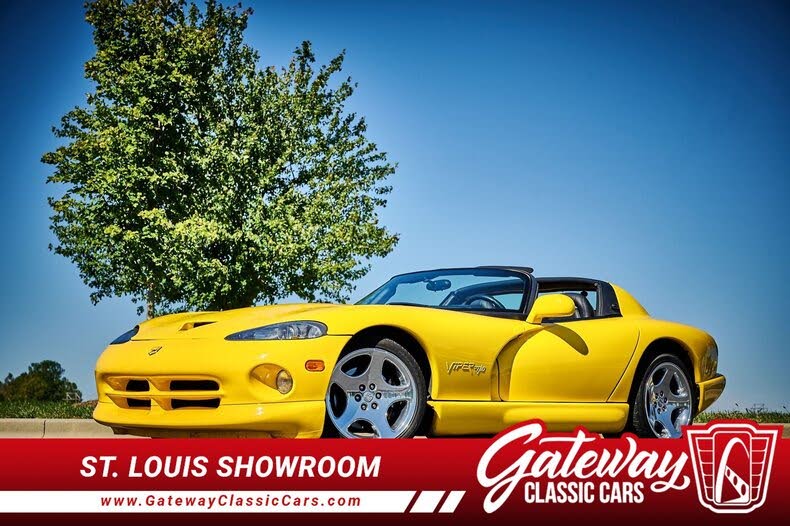
2001 Dodge Viper
Gen II RT/10
Asking price $67,367 -
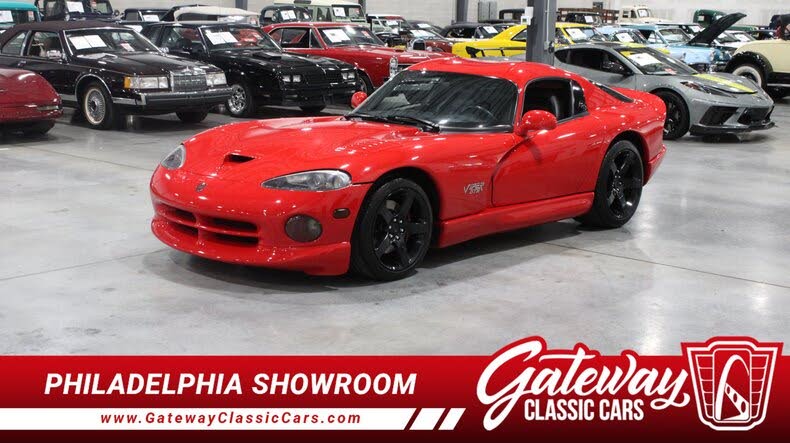
1997 Dodge Viper
Gen II GTS
Asking price $89,541 -
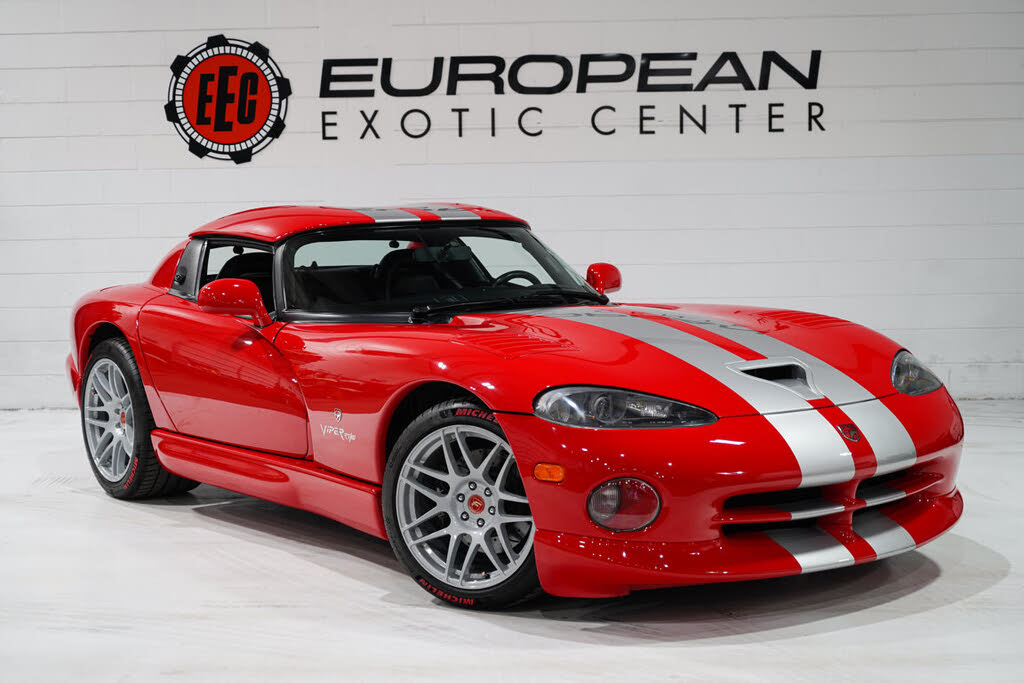
1998 Dodge Viper
Gen II RT/10
Asking price $69,995 -
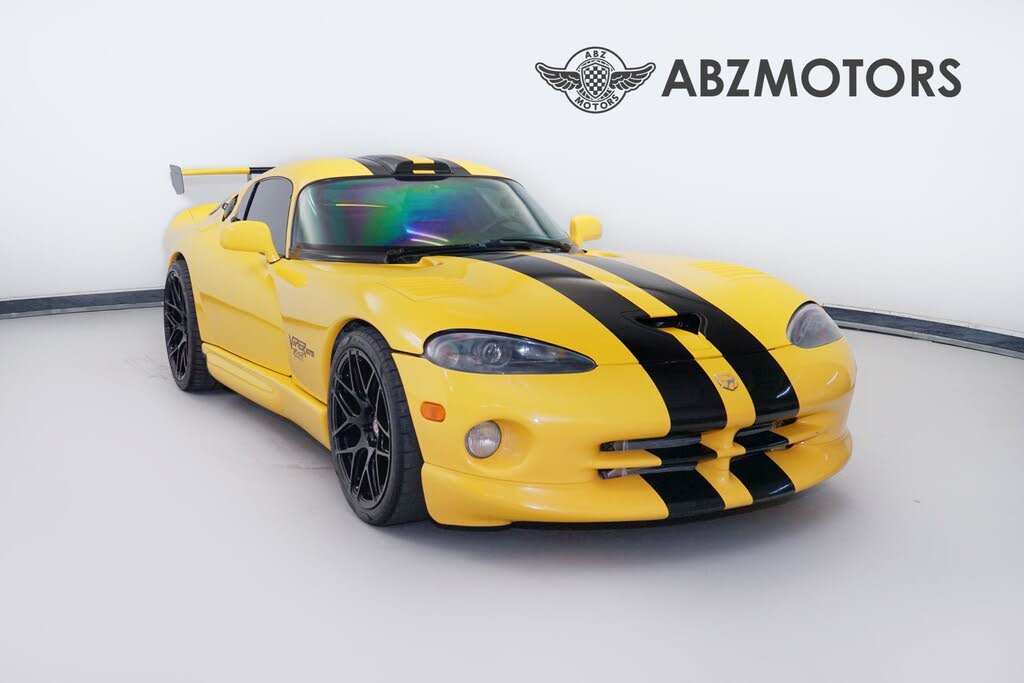
2001 Dodge Viper
Gen II GTS
Asking price $100,141 -

2002 Dodge Viper
Gen II GTS
Asking price $130,145 -
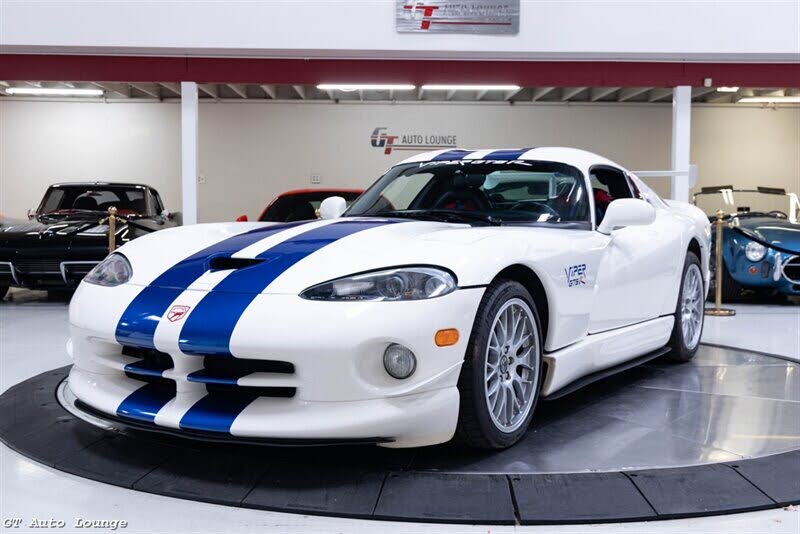
1998 Dodge Viper
Gen II GTS
Asking price $199,888 -
2002 Dodge Viper
Gen II RT/10
Asking price $58,398 -
2002 Dodge Viper
Gen II GTS
Asking price $99,979 -
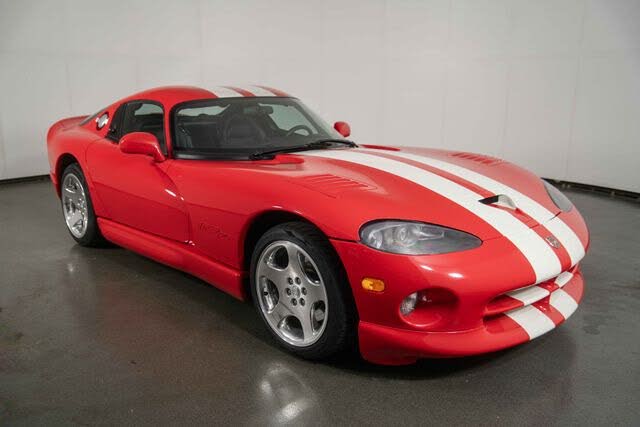
2002 Dodge Viper
Gen II GTS
Asking price $114,478 -
2000 Dodge Viper
Gen II GTS
Asking price $100,145 -
1996 Dodge Viper
Gen II RT/10
Asking price $49,999 -

2002 Dodge Viper
Gen II GTS
Asking price $99,214
Our verdict
Buy a 2001 or 2002 car if you want ABS and the most developed Viper. Hagerty calls the 2002 GTS the most developed of the series. Choose a 1996 to 1999 car if you want forged internals and a boost-friendly cam, and accept the lack of ABS. Check the price guide before you shop.
Skip any car with an unexplained cooling history, a cracked hood or missing recall work on the crossmember. Insist on a Viper-trained inspection, and on proof the steering pulley and differential oil have been dealt with.
Sources
We read these pages and checked every fact in this guide against them. The words are ours. Researched Oct 31, 2026.
- Buying a Gen II Dodge Viper doesn't have to be a snake pit of horrors Hagerty
- The Guide to Buying a Second Gen Dodge Viper DrivingLine
- 1996-2010 Dodge Viper Used Car Guide Driving.ca
- The 1996-2002 Dodge Viper GTS is hot, and getting hotter Hagerty
- Dodge Viper Generations Compared: Best & Worst Years, Values & Buyer's Guide CarBuzz
- Dodge Viper 1992-2002: An Iconic American Sports Car Hemmings
- Recalls and owner complaints for the second-generation Viper NHTSA
Shop the second-generation Viper
Latest Dodge Viper news
- Used Dodge Viper asking prices climb 9.7% since July With 217 Vipers listed, 4.1 months of supply and 60 cars rated good or great deals, the market reads balanced even as comparable prices climb.
- Used luxury car asking prices hold steady on 24 of 49 models in October All six of the biggest risers are sports cars or exotics, and all six of the biggest decliners are SUVs. The Ferrari SF90 Stradale rose in price yet takes months to sell.
second-generation Viper: common questions
What is the best second-generation Viper to buy?
For most buyers a 2001 or 2002 car is the best choice, because ABS arrived on every car for 2001. Hagerty calls the 2002 GTS the most developed of the series. Buyers planning to add boost may prefer a 1996 to 1999 car with the forged internals.
What goes wrong with the second-generation Viper?
Heat and hardware are the main themes. Sources cite a plastic power steering pulley that can crack, a reservoir cap that can loosen, hot catalytic converters that bubble paint, worn door hinges and a worn throw-out bearing. Some owners also report overheating.
Is the second-generation Viper reliable?
Mostly, with caveats. Hagerty calls the drivetrain very stout, and DrivingLine says the car is easy to work on. Some owners report overheating, and low sales numbers make repairs harder.
How much does it cost to run a second-generation Viper?
The sources we read give no service price figures. The engine takes 8.5 quarts of 10w-30 synthetic, an oil change means raising the car, and the rear differential needs a specific gear oil and friction modifier. Door hinges and hoods are described as pricey to repair.
How much is a used second-generation Viper?
Asking prices for the 57 cars we track for sale right now run from $48,198 to $200,478, with a median of $85,999. Model year, version, mileage and history move the price most; the prices by model year and fair values on this page show where a car should sit.
Has the second-generation Viper been recalled?
NHTSA lists 5 recall campaigns filed for the 1996 to 2002 model years as of Oct 31, 2026, the latest for steering. Not every car was affected, so check the VIN of any car you're considering at nhtsa.gov/recalls.