
Buying guide · 2003 to 2006Updated
Dodge Viper (third generation, ZB I) buying guide
The 2003 to 2006 Viper SRT-10 is a simple, largely dependable V10 car, but fussy doors and windows, deferred maintenance and track abuse decide which one is worth buying.
The third-generation Viper as a used buy
The third-generation Viper is the one to find if you want a Viper you can live with, and the car to inspect hard before you commit. Classic Motorsports calls the 2003 to 2006 cars the first more domesticated Vipers, with a real convertible top and a real interior. Dodge built 8,190 convertibles and coupes in those years, according to HotCars, and none in 2007.
Every SRT-10 is a two-seat, rear-wheel-drive car with a manual gearbox and an 8.3-liter V10. It has no stability or traction aids, and Classic Motorsports puts zero to 60 mph at about 4 seconds. The heavy clutch and truck-like gearbox are a workout, and the side exhaust pipes burn legs.
What you need to know first: the running costs are high, and the car's history matters more than its mileage. Assume tires, brakes, a clutch and overdue fluid changes are due until records say otherwise. Start with every used Viper for sale or the narrower SRT-10 listings.
third-generation Viper years and versions
The convertible came first, as the SRT/10 roadster that dropped the RT/10 name, according to Hagerty. It finally got a folding soft top in place of the old targa-style canvas-and-vinyl one. The 8.3-liter V10 is rated at 500 horsepower, with 525 ft.-lbs. of torque on tap. You can browse every convertible for sale.
The coupe arrived as a 2006 model after its debut at the 2005 Detroit show. Hagerty and HotCars give it a revised cam and heads, for 510 horsepower and 535 lb-ft. Classic Motorsports says the 2006 cars got a 10-horsepower bump. Coupes are listed separately. Dodge skipped 2007 while the factory prepared the 2008 car, so a 2006 is the last of this generation.
Later cars look nearly identical but are a different proposition. The 2008 and later Vipers have a reworked 8.4-liter V10 with 600 horsepower and revised suspension, and they belong to our fourth-generation guide. Classic Motorsports also notes that 2006 was the last year for mechanical throttle body Vipers.
Classic Motorsports says collectors prize special editions such as the Mamba, Copperhead and VOI.9. The Mamba, which arrived in 2004, was a purely cosmetic package, so it adds nothing mechanical. AutoTrader.ca's advice is to buy a well-maintained car as close to stock as possible.
third-generation Viper versions for sale now
Every version in our latest scan, most listed first. Each links to its own page with deal analysis and market history.
| Version | Model years | For sale | Median price |
|---|---|---|---|
| Viper SRT-10 Convertible | 2003-2006 | 42 | $63,094 |
| Viper SRT-10 Coupe | 2006 | 16 | $89,540 |
Common third-generation Viper problems
The sources describe a mechanically tough car with annoying body and trim faults, and AutoTrader.ca warns that reliability information is patchy because so few were sold.
Sagging doors
AutoTrader.ca says some owners report door hinges that sag, letting the door ride too low in its opening. That can also let water past the seals.
Window pre-drop failure
The computer that controls the window pre-drop can lose its settings, possibly after the battery goes flat. The glass can then smash onto the roof when the door closes.
Weak window regulators
Regulators on most cars of this era are weak, and AutoTrader.ca says many owners report failures, noise or slow operation. An upgraded regulator became available from 2009.
Rocker panel rust
The rocker panel and exhaust cover areas can rust once the paint is compromised. The panels are expensive to replace.
Airbag module recalls
Recalls cover the air bag control module on 2003 and 2004 cars and the occupant restraint module on 2005 and 2006 cars, which can fire the air bags unintentionally. Check that the work was done.
Clutch switch spring
A recall covers certain 2006 cars built July 1, 2005 to July 31, 2006, for a clutch pedal position switch spring that may break.
Ergonomic complaints
Owners gripe about poor outward visibility, a tight cabin, heavy consumption of premium fuel and the skip-shift function. They are annoyances rather than faults, but you should drive one before you buy.
What to check on a used third-generation Viper
Spend your time on history, leaks and the door and window hardware.
- Get a history check and a mechanical going-over for crash damage before you agree to anything.
- Look along the body for ill-fitting panels or uneven gaps, which Classic Motorsports gives as the place to start when hunting for bodywork or damage.
- Run a fingernail across the painted stripes, because factory stripes had a raised lip and cleared-over striping signals new paint.
- Look for cracked brake rotors and chipped glass, which are the signs of track use.
- Check for fluid leaks from the transmission, differential and engine, especially the engine's front timing cover.
- Open and close each door several times and watch for rubbing, catching, cracked seals or hinge movement.
- Cycle both windows and listen for slow or noisy regulators, and ask whether the battery has ever gone flat.
- Inspect the rocker panels and exhaust cover areas for paint damage and rust.
- On a convertible, examine the top for wear, ripping and damaged seals, and treat dry, crispy leather as a sign of past water leaks.
- Ask for service records showing fluid changes, tires, brakes and clutch, and have a pre-purchase inspection done.
- Run the VIN at NHTSA's recall lookup to confirm the air bag module recalls were completed.
third-generation Viper running costs
AutoTrader.ca calls running costs relatively high, citing an aggressive fluid-change schedule, pricey tires, top-end brakes and heavy fuel use. It says some fluids need changing as often as every 20,000 kilometres. It also advises assuming a car needs tires, brakes, a clutch and overdue fluid changes until records show otherwise.
The same source says a pre-purchase inspection typically costs $200 or less, which is small money against the car's other bills. Classic Motorsports adds that the Viper's simple nature makes past abuse easier to fix. For what cars cost to buy, see the price guide.
third-generation Viper recalls and complaints
NHTSA lists 5 recall campaigns for 2003 to 2006 Vipers. Two air bag campaigns on 2003 and 2004 cars cover a defect in which a control module component may fail and fire the front air bags or seat belt pretensioners while the car is being driven, and another on 2005 and 2006 cars concerns the occupant restraint module. The others concern 2003 cars: corroding park lamp contacts in the multifunction switch, and fuel pump wiring chafed by an underbody heat shield. A recall on one model year does not mean every car of that year was affected, so check each car's VIN at NHTSA's recall lookup.
Owners have filed 32 complaints with NHTSA, most about air bags (11), then suspension (9) and steering (6). Ten involved crashes and ten involved injuries. These are reports, not proven faults.
NHTSA recalls for the third-generation Viper
Every recall campaign the carmaker filed with NHTSA for the 2003 to 2006 model years, newest first, as of Oct 31, 2026. Not every car of a listed year was affected: check a car's VIN at nhtsa.gov/recalls.
| Campaign | Reported | Model years | Component | What can happen |
|---|---|---|---|---|
| 19V885000 | Dec 12, 2019 | 2005 to 2006 | Seat belts | The unexpected deployment of the air bags and/or seat belt pretensioners increase the risk of injury and a crash. |
| 15V046000 | Jan 28, 2015 | 2003 to 2004 | Air bags | Inadvertent deployment of the air bags may increase the risk of injury and the possibility of a vehicle crash. |
| 13V040000 | Feb 6, 2013 | 2003 to 2004 | Air bags | Inadvertent deployment of the airbags and/or seat belt pretensioners could increase the risk of personal injury and the possibility of a crash. |
| 03V388000 | Oct 10, 2003 | 2003 | Exterior lighting | THIS CORROSION COULD CAUSE THE PARK LAMPS, HEAD LAMPS AND/OR INSTRUMENT PANEL LAMPS TO FLICKER OR BECOME INOPERATIVE. THIS COULD AFFECT DRIVER VISIBILITY, INCREASING THE RISK OF A CRASH. |
| 03V292000 | Aug 12, 2003 | 2003 | Fuel system, gasoline | THIS COULD CAUSE THE FUEL PUMP FUSE TO OPEN, RESULTING IN AN ENGINE STALL, INCREASING THE RISK OF A CRASH. |
Owner complaints to NHTSA about the third-generation Viper
Owners filed 32 complaints with NHTSA for the 2003 to 2006 model years (10 crashes reported). A complaint is an owner's report, not a confirmed defect. A complaint can name more than one component.
| Component | Complaints |
|---|---|
| Air bags | 11 |
| Suspension | 9 |
| Steering | 6 |
| Power train | 4 |
| Electrical system | 3 |
| Hydraulic | 2 |
| Service brakes | 2 |
| Structure | 2 |
Best third-generation Viper deals right now
16 deals priced below market right now, the best by about $24,051. Members get the VIN, dealer, listing link and a ready-to-send negotiation email for each one.
-
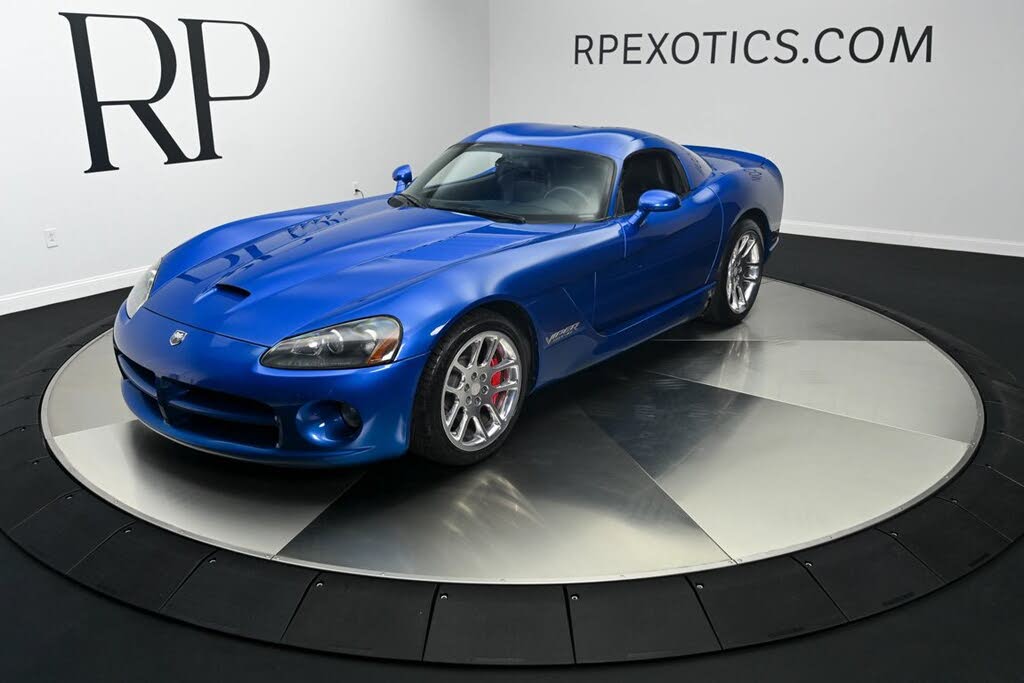 $24k below market Locked
2006 Dodge Viper
Gen III SRT-10 Coupe
Great deal: about $24k under fair value for its year, trim and miles.
Asking price $80,594Deal score 100 -
 $19k below market Locked
2006 Dodge Viper
Gen III SRT-10 Convertible
Great deal: about $19k under fair value for its year, trim and miles.
Asking price $50,393Deal score 100 -
 $21k below market Locked
2006 Dodge Viper
Gen III SRT-10 Coupe
Great deal: about $21k under fair value for its year, trim and miles.
Asking price $90,990Deal score 98 -
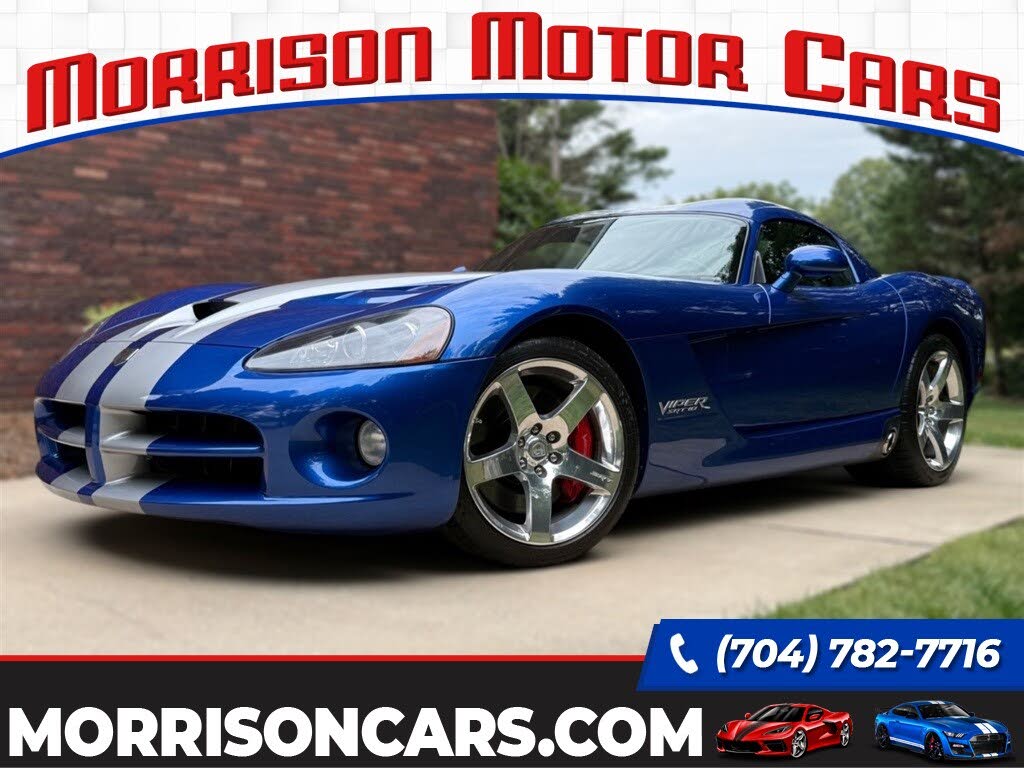 $17k below market Locked
2006 Dodge Viper
Gen III SRT-10 Coupe
Great deal: about $17k under fair value for its year, trim and miles.
Asking price $79,995Deal score 97 -
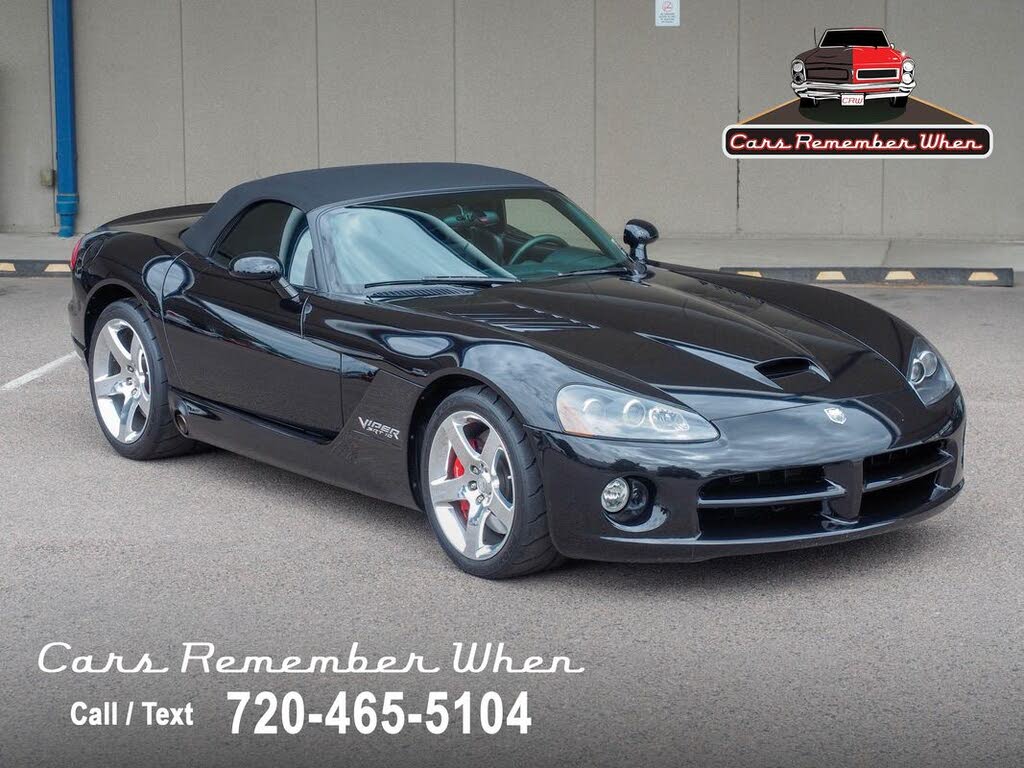 $12k below market Locked
2006 Dodge Viper
Gen III SRT-10 Convertible
Great deal: about $12k under fair value for its year, trim and miles.
Asking price $62,900Deal score 96 -
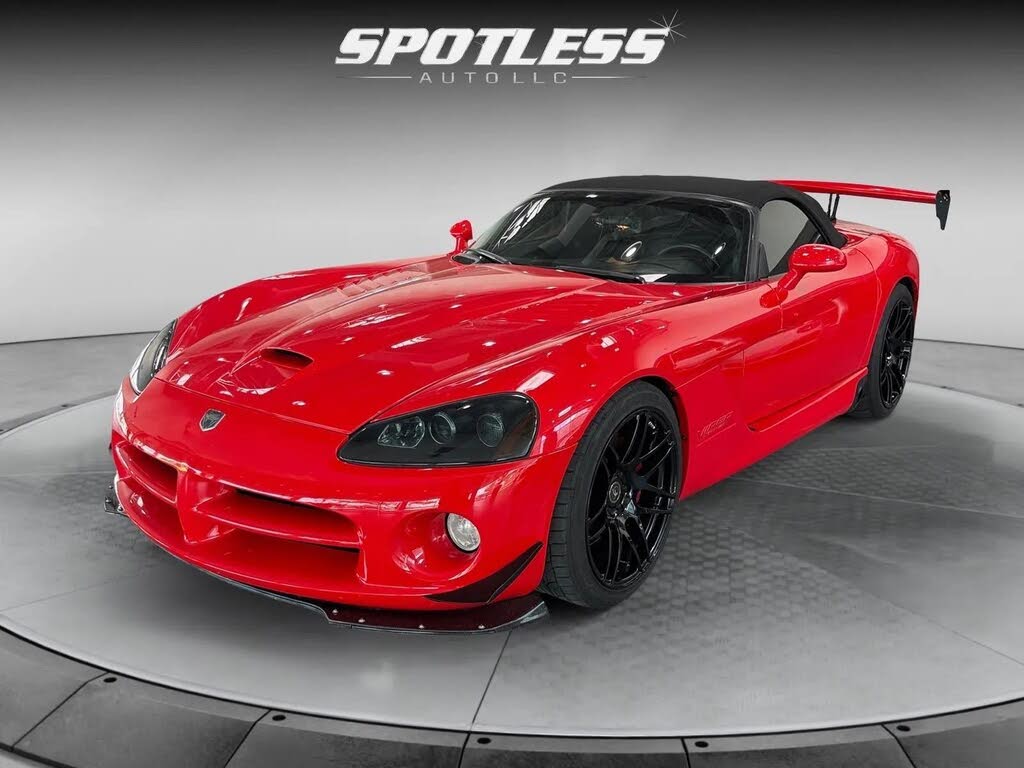 $8k below market Locked
2003 Dodge Viper
Gen III SRT-10 Convertible
Great deal: about $8k under fair value for its year, trim and miles.
Asking price $50,210Deal score 93
Members see every deal's VIN, dealer and listing link, plus a negotiation email.
third-generation Viper prices by model year
Median asking price for each model year in our latest scan, with the number of cars listed and their price range.
- 2006 Dodge Viper for sale $88,145
- 2005 Dodge Viper for sale $66,197
- 2004 Dodge Viper for sale $60,080
- 2003 Dodge Viper for sale $56,985
third-generation Viper fair values by trim and year
Our fair value is what comparable cars, same trim and model year with typical miles, are listed at in our latest market data. A car well under it is worth a close look; a car well over it needs a reason.
| Trim | Model year | Fair value | Typical miles |
|---|---|---|---|
| SRT-10 | 2006 | $70,759 | 19,500 |
| SRT-10 | 2005 | $65,461 | 25,000 |
| SRT-10 | 2004 | $63,851 | 19,800 |
| SRT-10 | 2003 | $59,880 | 20,000 |
third-generation Viper for sale now
-
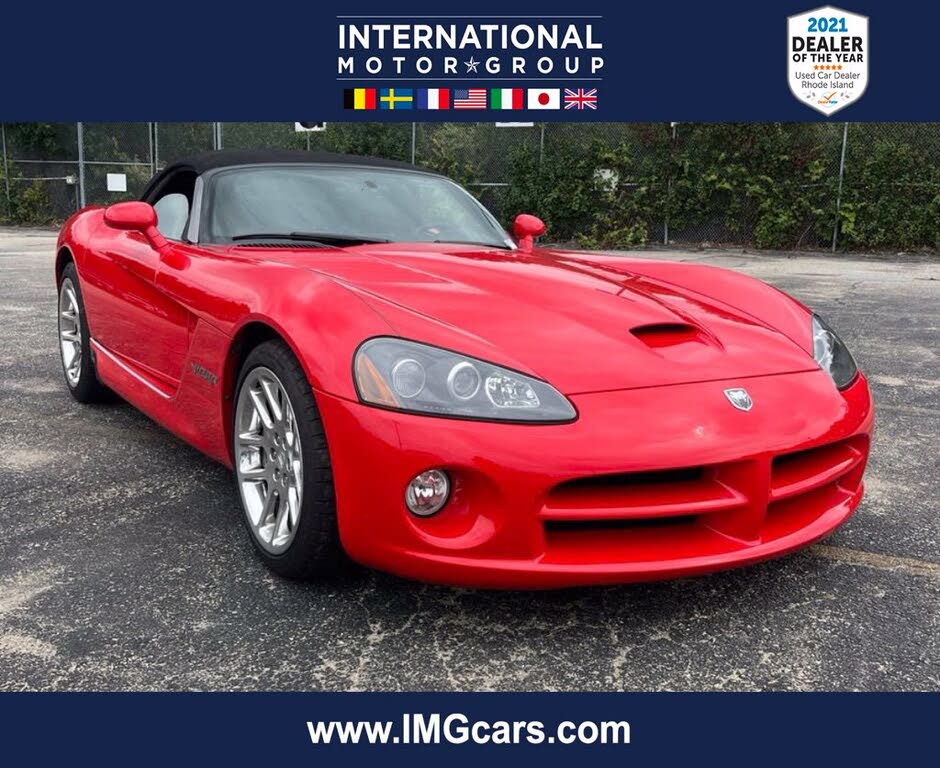
2003 Dodge Viper
Gen III SRT-10
Asking price $53,569 -

2005 Dodge Viper
Gen III SRT-10
Asking price $73,434 -
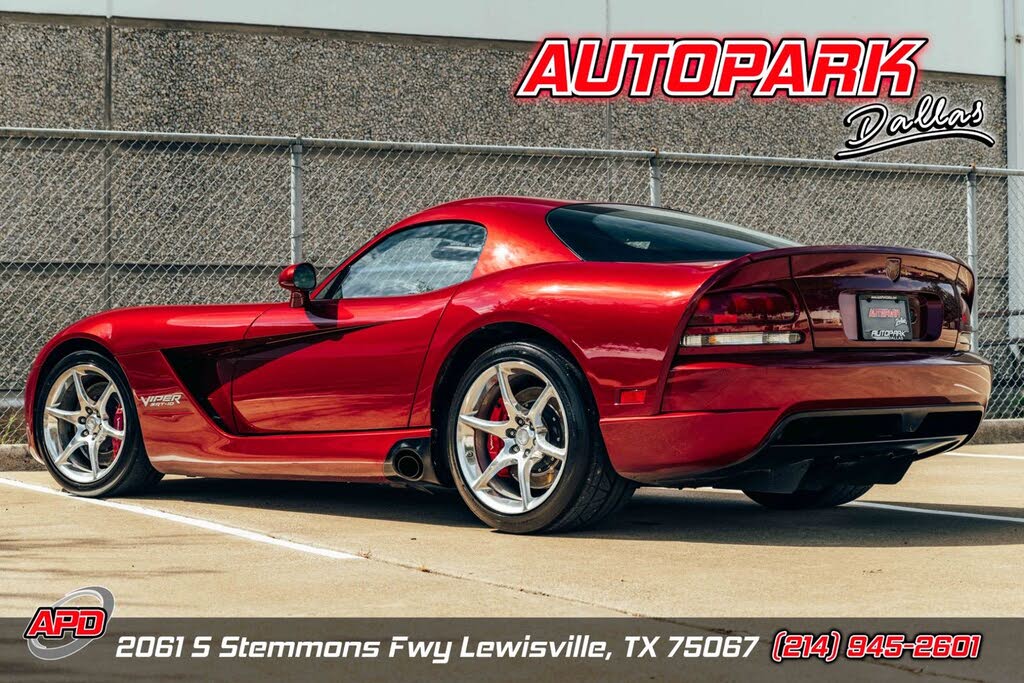
2006 Dodge Viper
Gen III SRT-10
Asking price $80,145 -
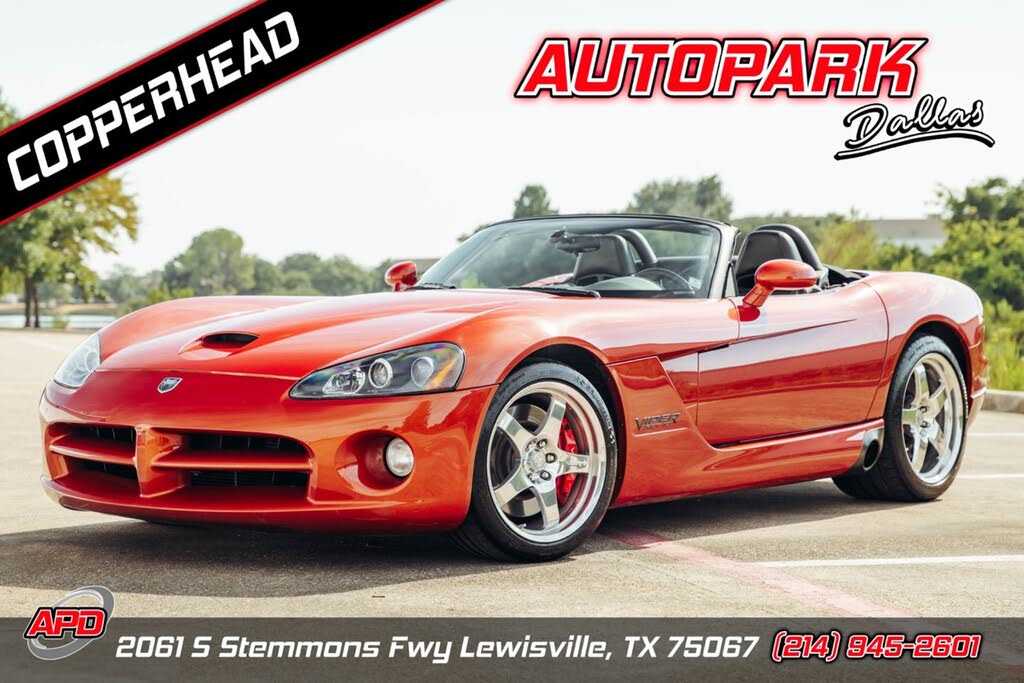
2005 Dodge Viper
Gen III SRT-10
Asking price $80,145 -
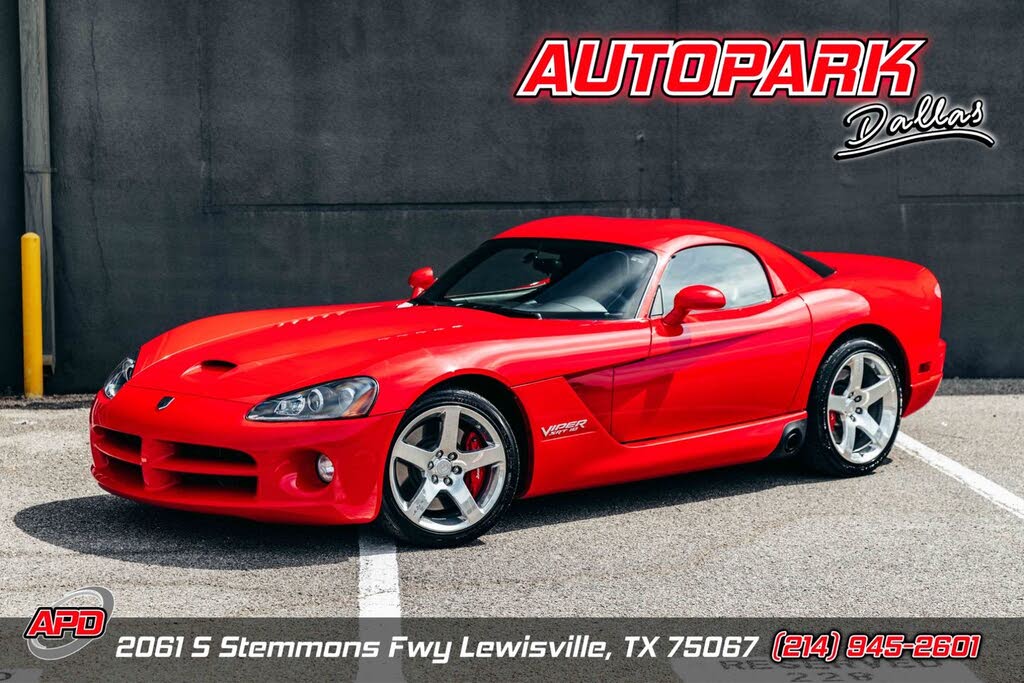
2006 Dodge Viper
Gen III SRT-10
Asking price $100,145 -
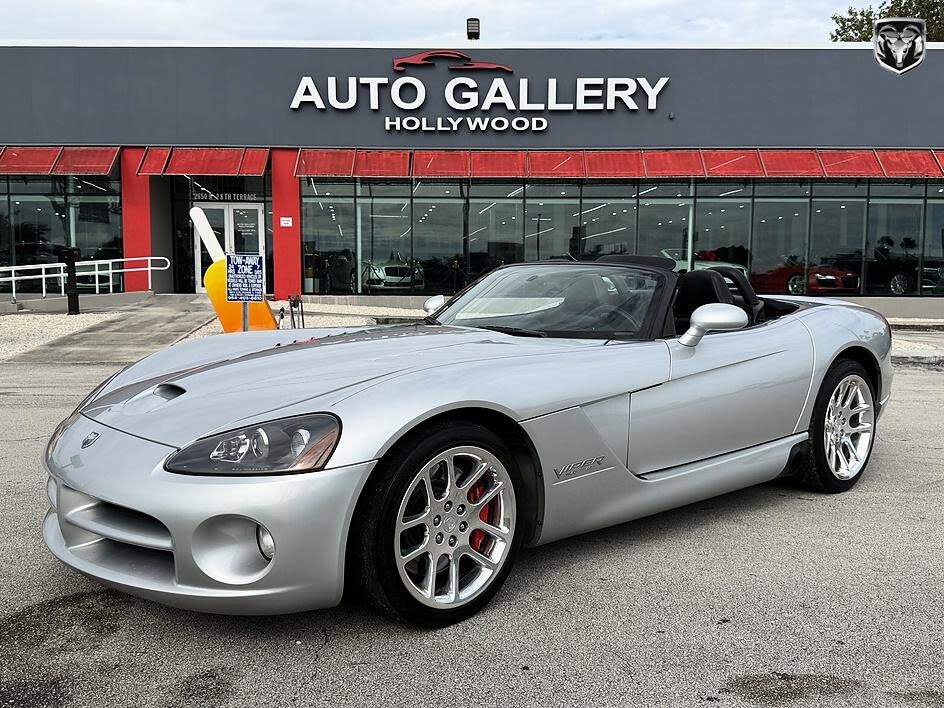
2005 Dodge Viper
Gen III SRT-10
Asking price $60,994 -
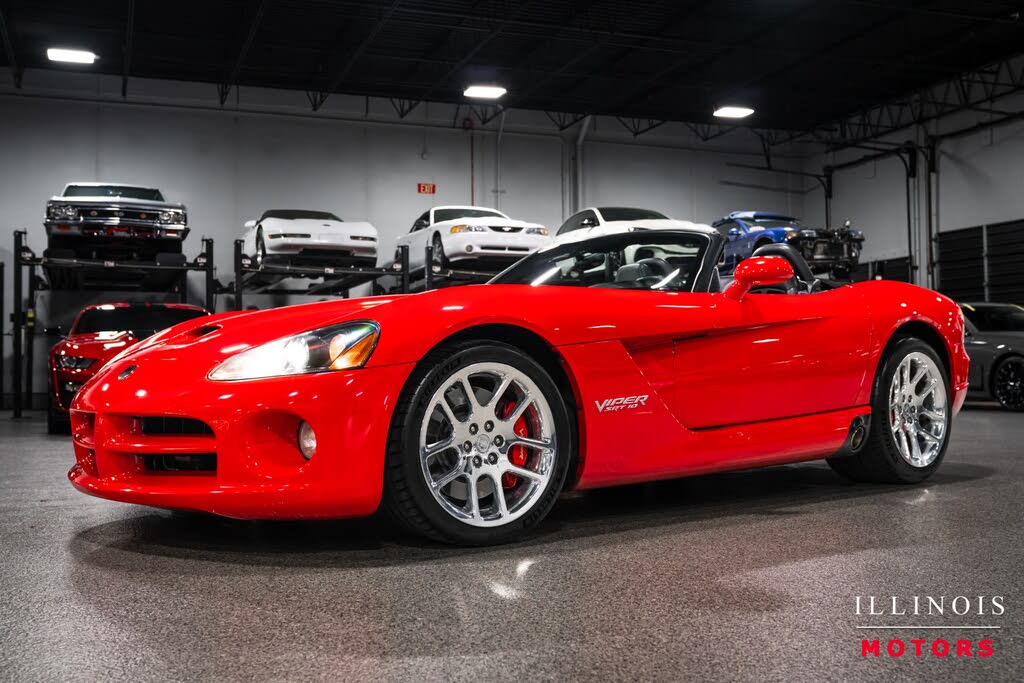
2006 Dodge Viper
Gen III SRT-10
Asking price $71,589 -

2005 Dodge Viper
Gen III SRT-10
Asking price $49,990 -
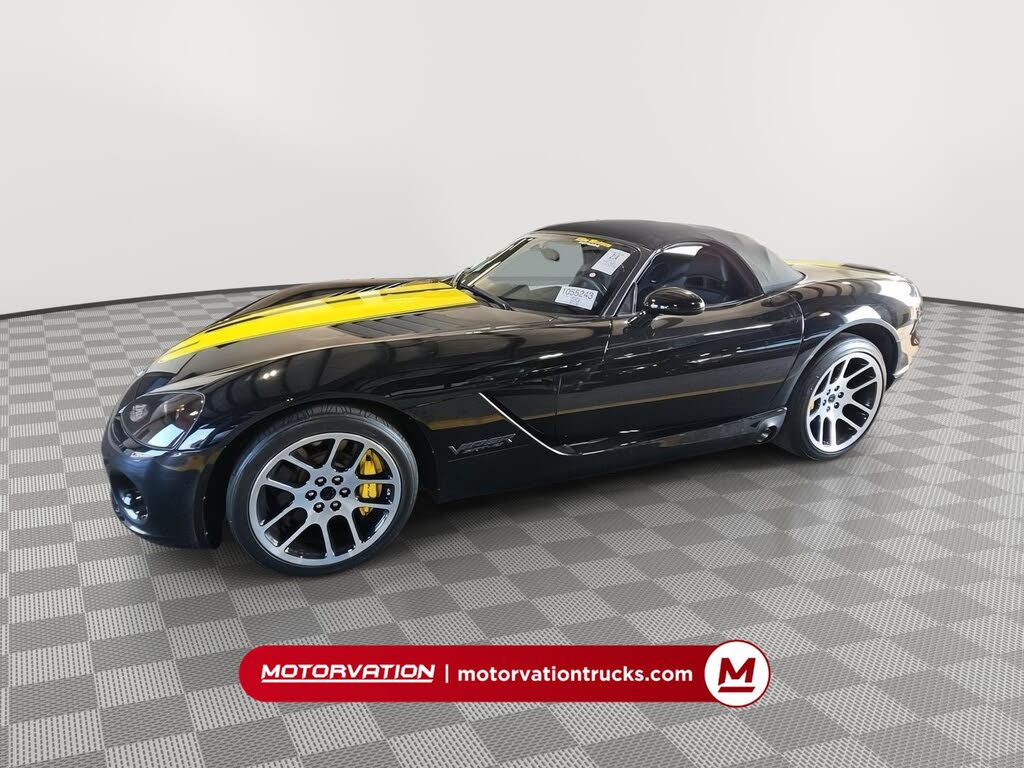
2003 Dodge Viper
Gen III SRT-10
Asking price $75,000 -
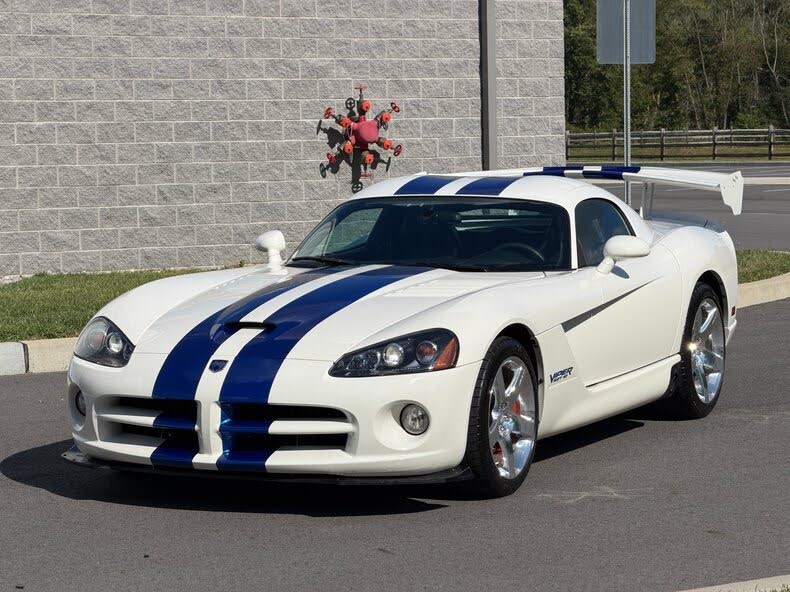
2006 Dodge Viper
Gen III SRT-10
Asking price $139,900 -

2003 Dodge Viper
Gen III SRT-10
Asking price $56,985 -
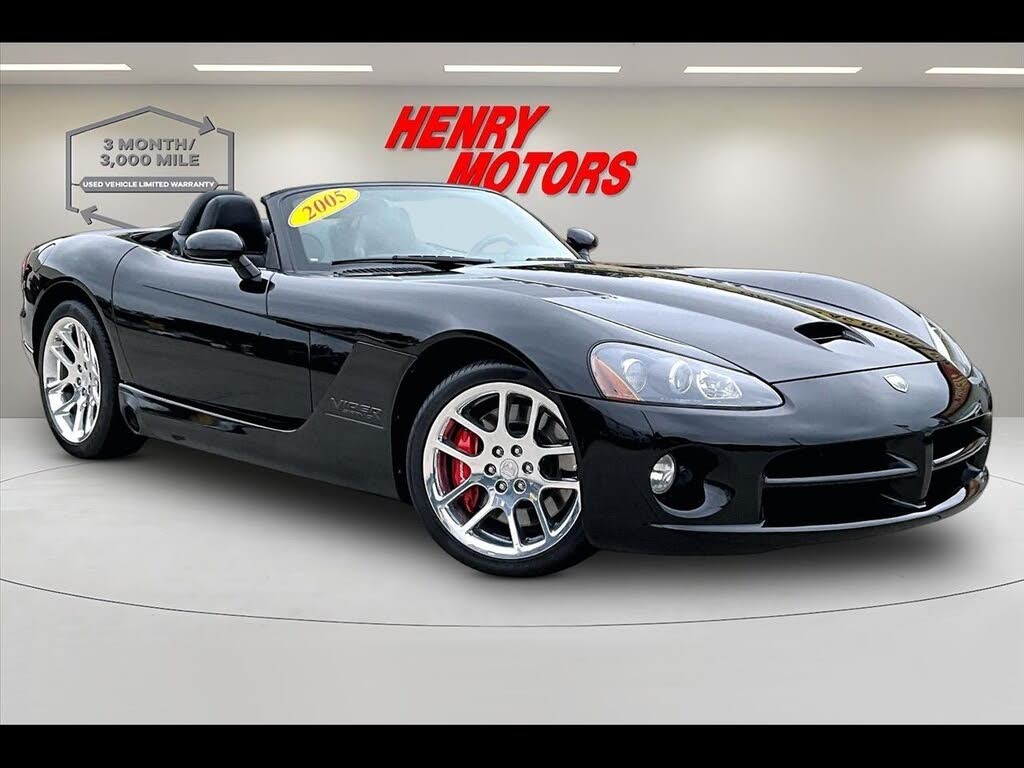
2005 Dodge Viper
Gen III SRT-10
Asking price $61,900 -

2003 Dodge Viper
Gen III SRT-10
Asking price $57,272 -
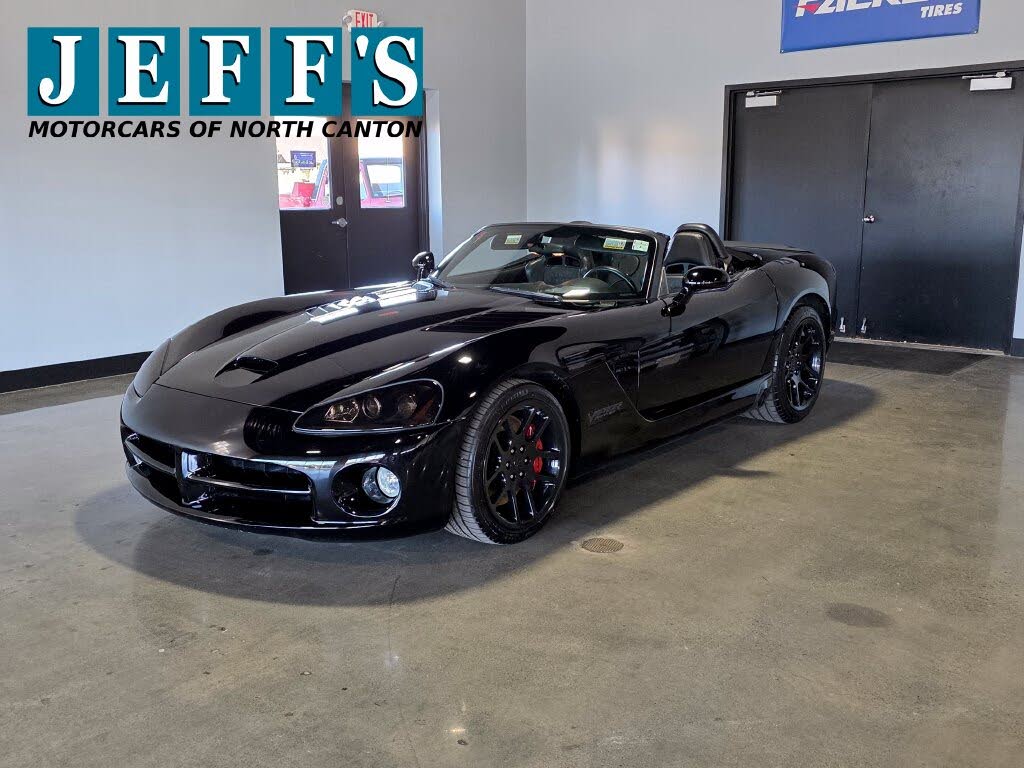
2004 Dodge Viper
Gen III SRT-10
Asking price $63,288 -
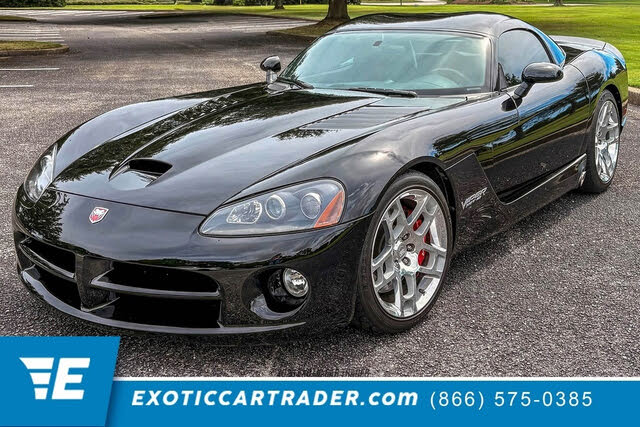
2006 Dodge Viper
Gen III SRT-10
Asking price $83,799 -
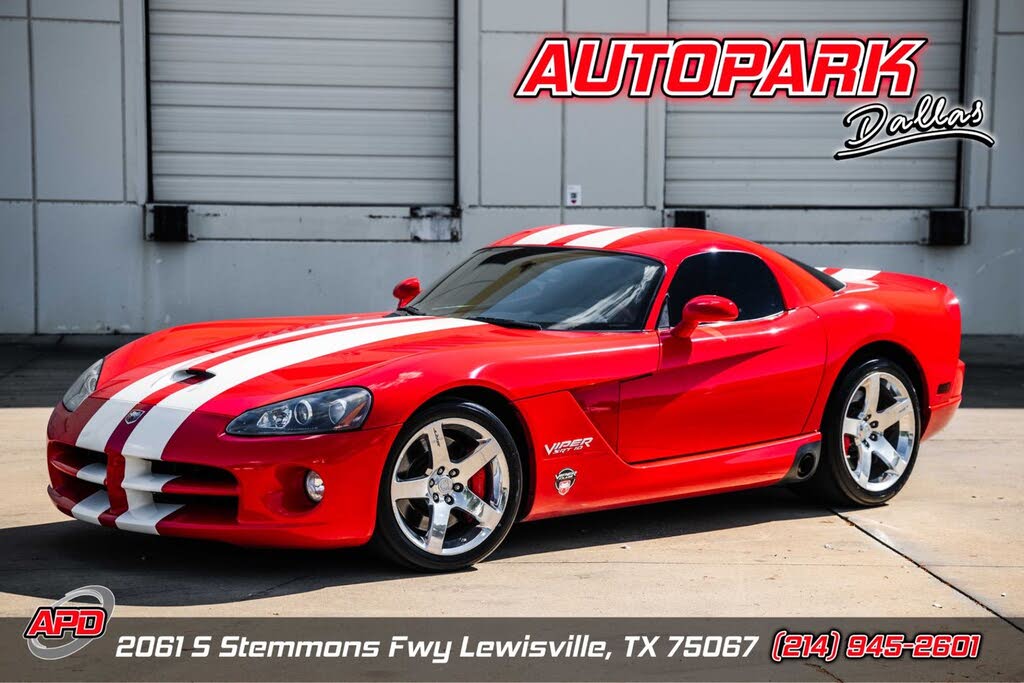
2006 Dodge Viper
Gen III SRT-10
Asking price $88,145 -
2003 Dodge Viper
Gen III SRT-10
Asking price $50,210 -
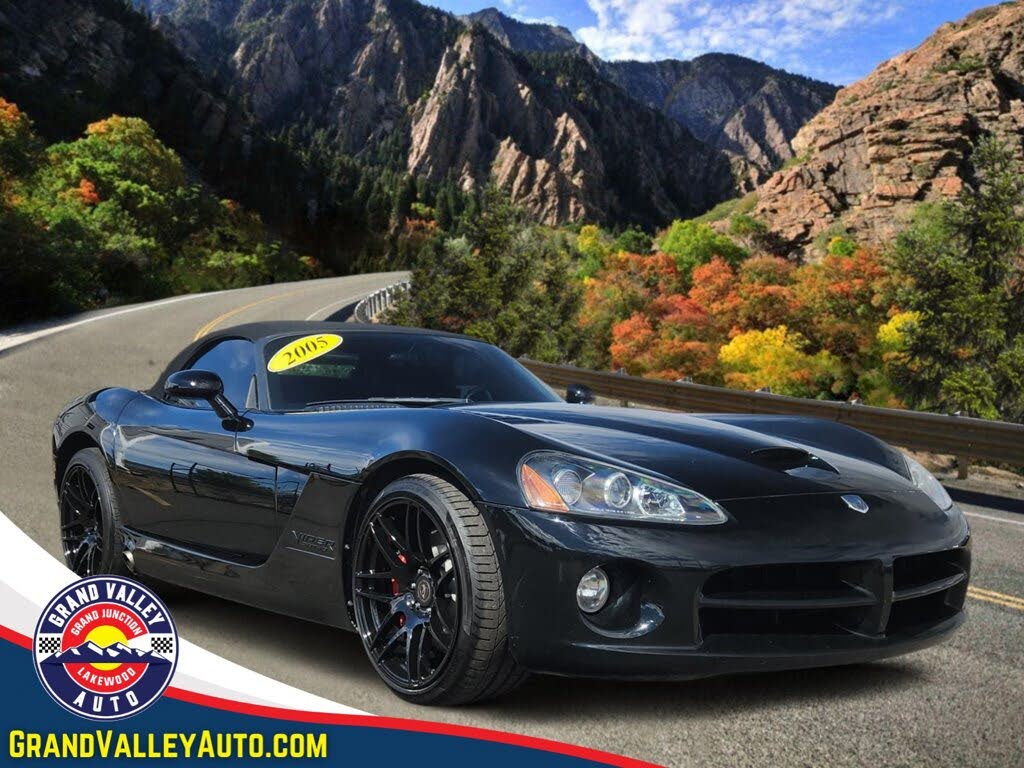
2005 Dodge Viper
Gen III SRT-10
Asking price $68,493 -
2006 Dodge Viper
Gen III SRT-10
Asking price $90,990 -
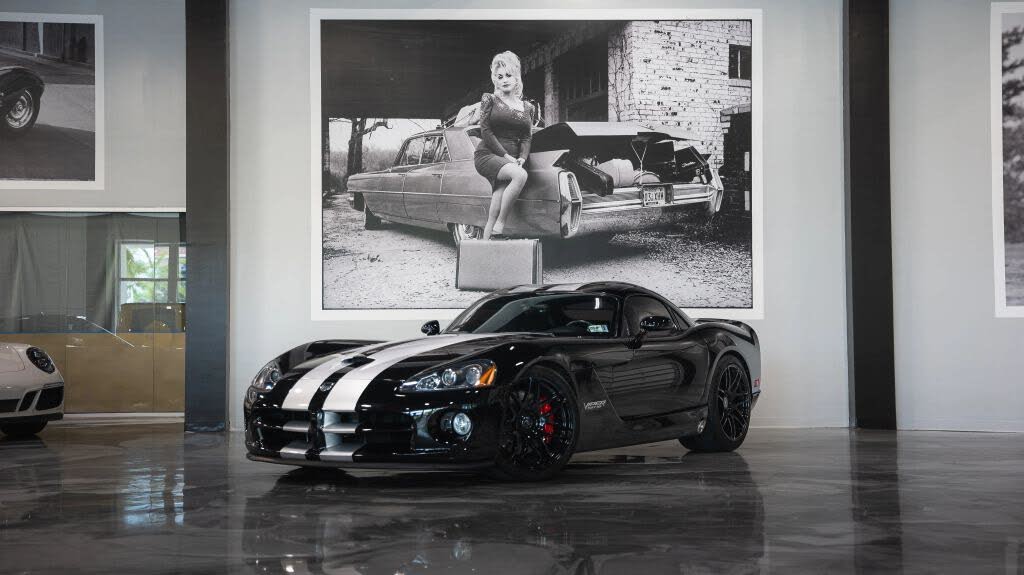
2006 Dodge Viper
Gen III SRT-10
Asking price $88,778 -
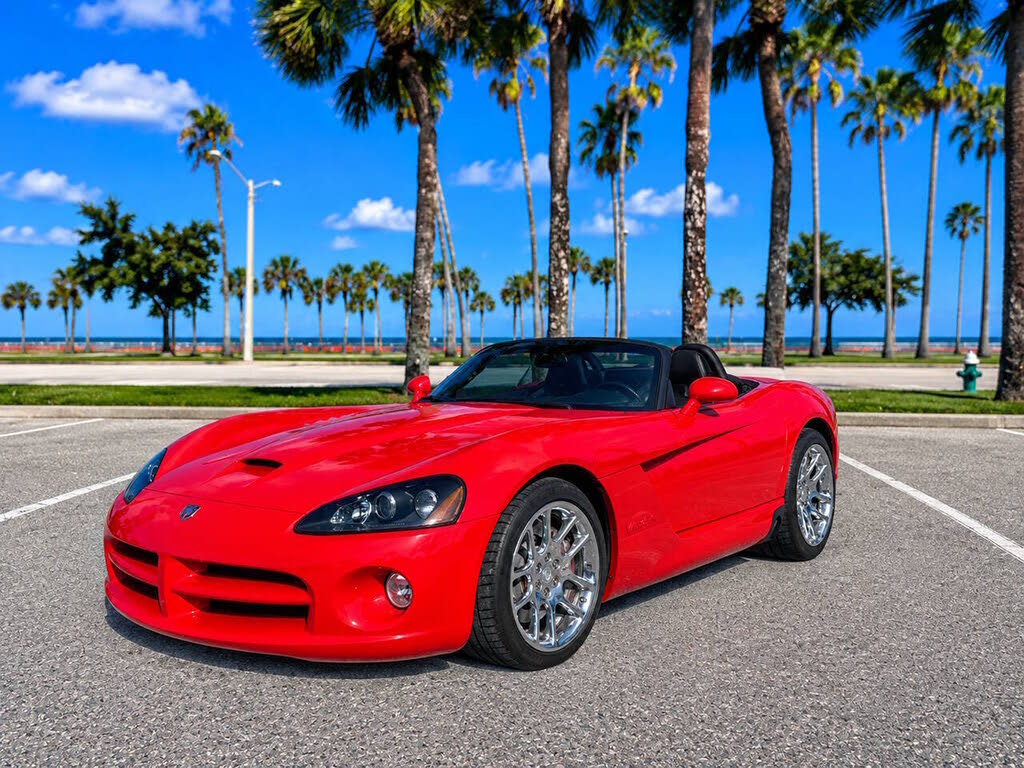
2003 Dodge Viper
Gen III SRT-10
Asking price $68,698 -
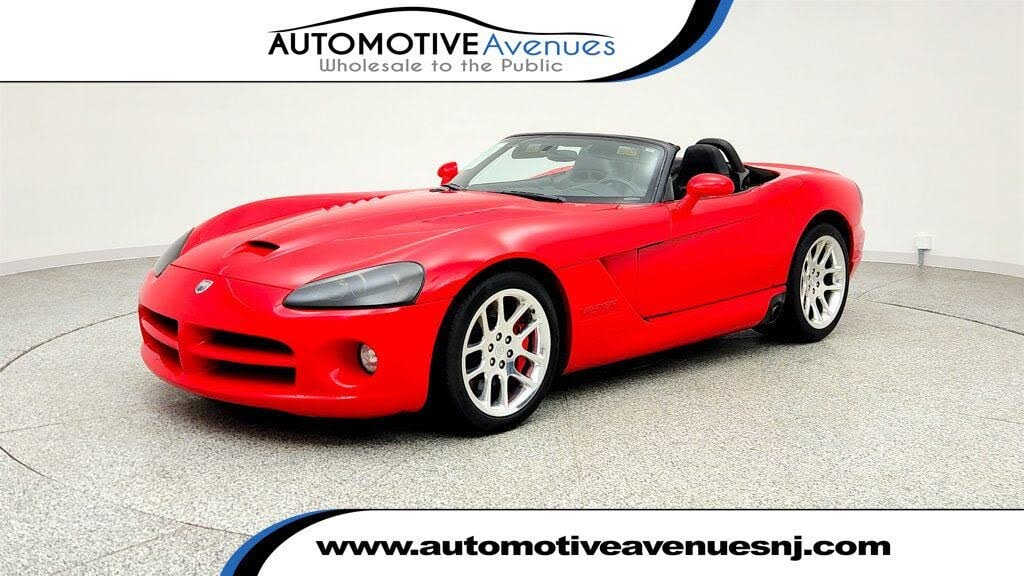
2004 Dodge Viper
Gen III SRT-10
Asking price $44,794 -
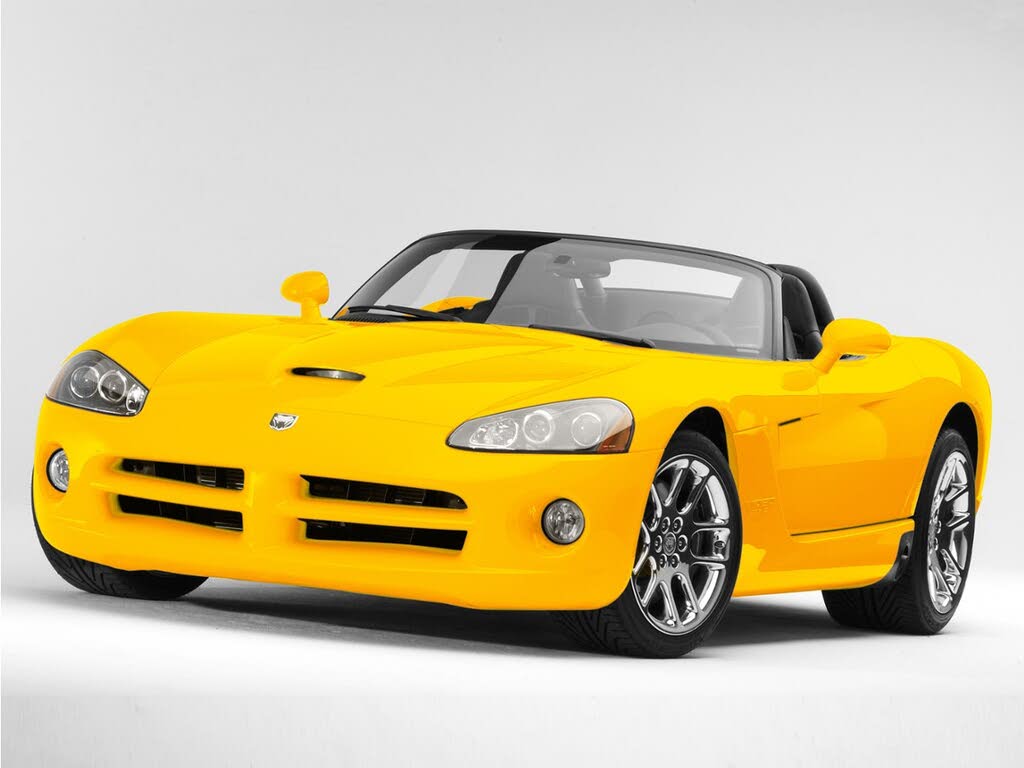
2005 Dodge Viper
Gen III SRT-10
Asking price $60,180 -
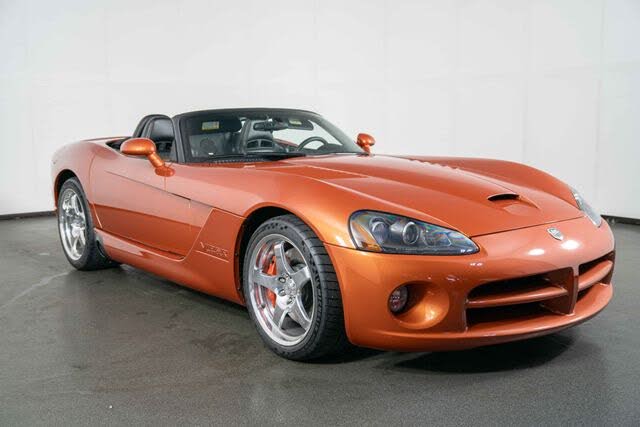
2005 Dodge Viper
Gen III SRT-10
Asking price $84,978
Our verdict
Buy the best-documented, least-modified car you can find, and treat the records as more important than the badge. AutoTrader.ca calls the powertrain primitive and the car largely reliable, with fussy doors and windows but a solid driveline and electronics if maintained and not abused. Classic Motorsports sees it as a budget supercar. A 2006 coupe has the extra power and the last mechanical throttle, but the sources do not rate it as the better car.
Skip a car with track use, fresh stripe paint, leaks or no fluid history. Insist on a history check, a pre-purchase inspection and proof the air bag recalls were done. Then work every door and window yourself.
Sources
We read these pages and checked every fact in this guide against them. The words are ours. Researched Oct 31, 2026.
- 2003-2010 Dodge Viper SRT-10 Used Vehicle Review AutoTrader.ca
- Depreciation Station: 2003-'06 Dodge Viper SRT-10 Classic Motorsports
- 2003-2006 Dodge Viper: Costs, Facts, And Figures HotCars
- 2003–06 Dodge Vipers are still waiting for their turn in the limelight Hagerty
- 2003-2010 Dodge Viper Reliability Score: 8.5 out of 10 The Weekly Driver
- Recalls and owner complaints for the third-generation Viper NHTSA
Shop the third-generation Viper
Latest Dodge Viper news
- Used Dodge Viper asking prices climb 9.7% since July With 217 Vipers listed, 4.1 months of supply and 60 cars rated good or great deals, the market reads balanced even as comparable prices climb.
- Used luxury car asking prices hold steady on 24 of 49 models in October All six of the biggest risers are sports cars or exotics, and all six of the biggest decliners are SUVs. The Ferrari SF90 Stradale rose in price yet takes months to sell.
third-generation Viper: common questions
What is the best third-generation Viper to buy?
Buy the best-maintained, closest-to-stock car you can find, whichever body style. The 2006 coupe has 510 horsepower and a revised cam and heads, and 2006 was the last year of mechanical throttle bodies. Records matter more than the year.
What goes wrong with the third-generation Viper?
The sources point to sagging doors, weak window regulators, a window pre-drop that can lose its settings, and rust at the rocker panels. NHTSA also lists 5 recalls, mostly air bag related. Check that the work was done.
Is the third-generation Viper reliable?
Mostly, if it has been maintained and not abused. AutoTrader.ca calls the driveline and electronics solid and the powertrain primitive, though doors and windows are fussy. It also says reliability data is patchy because few were sold.
How much does it cost to run a third-generation Viper?
Expect high running costs. AutoTrader.ca cites an aggressive fluid-change schedule, expensive tires, top-end brakes and heavy fuel use. It says a pre-purchase inspection typically costs $200 or less.
How much is a used third-generation Viper?
Asking prices for the 58 cars we track for sale right now run from $44,794 to $139,900, with a median of $70,980. Model year, version, mileage and history move the price most; the prices by model year and fair values on this page show where a car should sit.
Has the third-generation Viper been recalled?
NHTSA lists 5 recall campaigns filed for the 2003 to 2006 model years as of Oct 31, 2026, the latest for seat belts. Not every car was affected, so check the VIN of any car you're considering at nhtsa.gov/recalls.